
7 Steps to Grow Out Face Framing Highlights Gracefully

Last Updated: 1 November 2026
Quick Summary
Face framing highlights usually start to show regrowth at about six to eight weeks, so the best approach is to blend the root with a soft transition and book a colourist refresh before the contrast gets strong. Use a root concealer matched to your current root shade, and ask your colourist for soft, blended pieces near the face. Toner and a colour-safe routine help keep the grow-out looking fresh between visits.
Fine, bright face framing highlights often become visible at about six weeks.
Ask your colourist for a soft transition, using a recent photo to agree the look first.
Root smudging suits regrowth only a shade or two darker, but not strong contrast.
Toner neutralises brassiness and adds shine, and fades over time, so plan refreshes.
Use heavy dark root products sparingly, as they can build up and leave a dull line.
Table of Contents
Why Face Framing Highlights Grow Out Differently
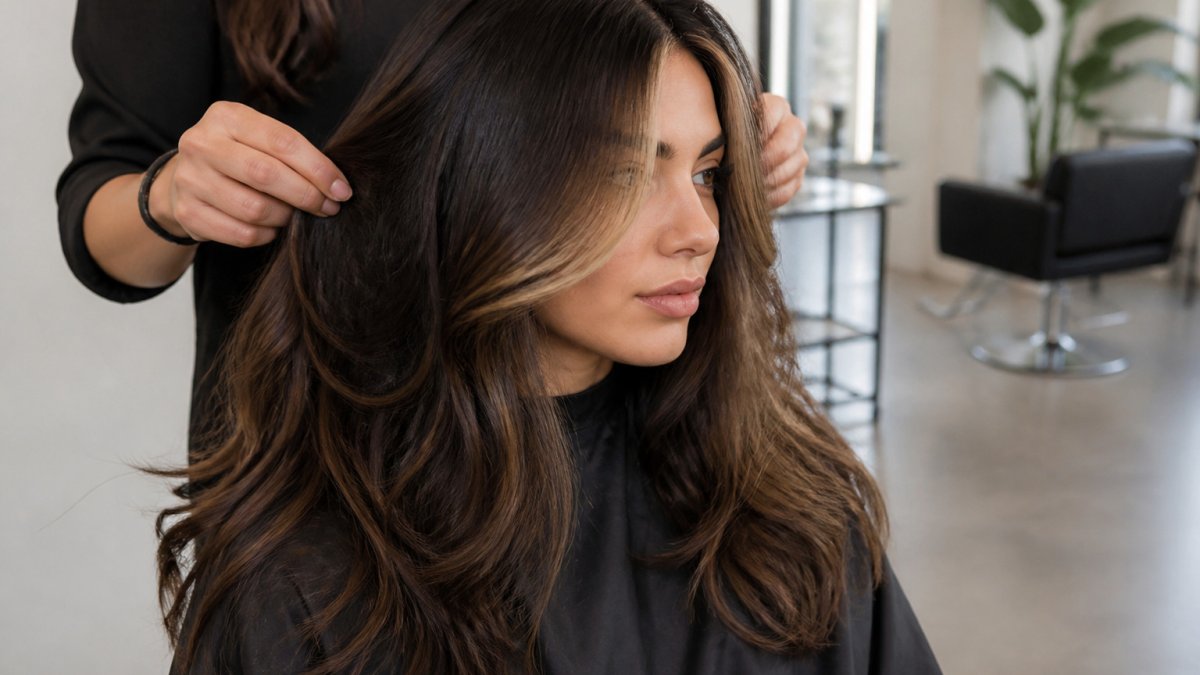
Face framing highlights are the bright pieces around your face, and they grow out in a different way from the rest of your colour. Because these strands sit close to the face, every bit of regrowth shows up fast, especially at the parting and around the temples. The good news is that you do not need to rush to the chair. With a clear plan, you can make the grow-out look soft and intentional.
The key is to stop thinking of the regrowth as a problem. It is simply the next stage of your colour. Once you accept that, the steps below become much easier to follow. ARQ Hair is a salon with a long history in Fulham, and our colourists use Wella products to plan each step with you. For most people, a few small changes make a big difference.
Here is the plan we recommend, in seven steps.
How Long Highlights Take to Grow Out
Most people notice face framing regrowth within six to eight weeks. The exact timing depends on how fast your hair grows and how light the highlights are. Lighter, brighter pieces show a dark root sooner, so they need attention first.
Fine, bright highlights: often visible at about six weeks
Soft, lived-in balayage: often takes eight to twelve weeks
Dense foils near the face: usually need a refresh first
Knowing your timing helps you book the right appointment before the contrast becomes strong.
The article gives rough timings for when face framing regrowth becomes visible, depending on how the highlights were done.
Highlight type | Typical timing | Note |
Fine, bright highlights | About six weeks | Lighter pieces show a dark root sooner |
Soft, lived-in balayage | Eight to twelve weeks | Blended colour hides regrowth for longer |
Dense foils near the face | Usually need a refresh first | Refresh before the root shows strongly |
How to Blend Highlight Regrowth at Home and in the Chair
Blending is the heart of a graceful grow-out. The goal is to soften the line between the root and the highlight so there is no hard stripe. You can do part of this at home and part in the salon.

Start by looking at your hair in natural daylight. Notice where the root shows most clearly. This is usually at the parting and near the ears.
Try these steps at home:
Brush your hair gently away from your face to see the roots.
Use a root concealer that matches your current root shade, not your highlight shade.
Blend with a soft brush, working in the direction of your natural parting.
Let it set, then style as usual.
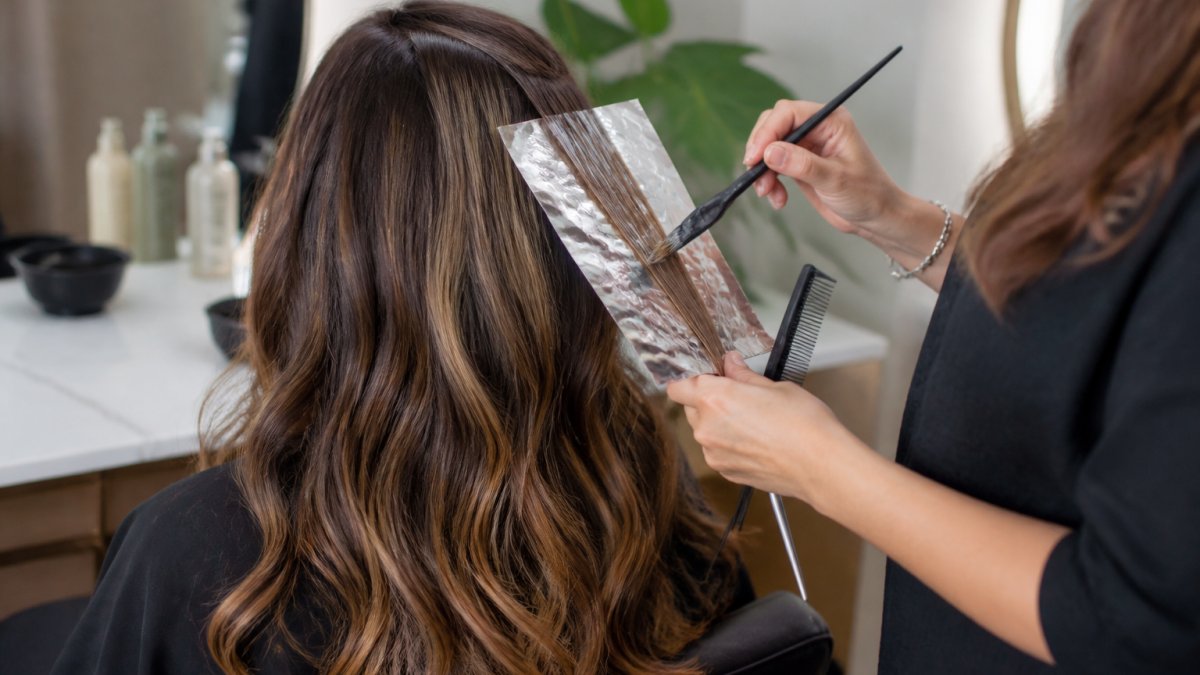
When you visit the salon, ask your colourist to soften the transition with a fine brush and a few lighter, blended pieces. This keeps the result natural between visits.
Ask Your Colourist for a Soft Transition
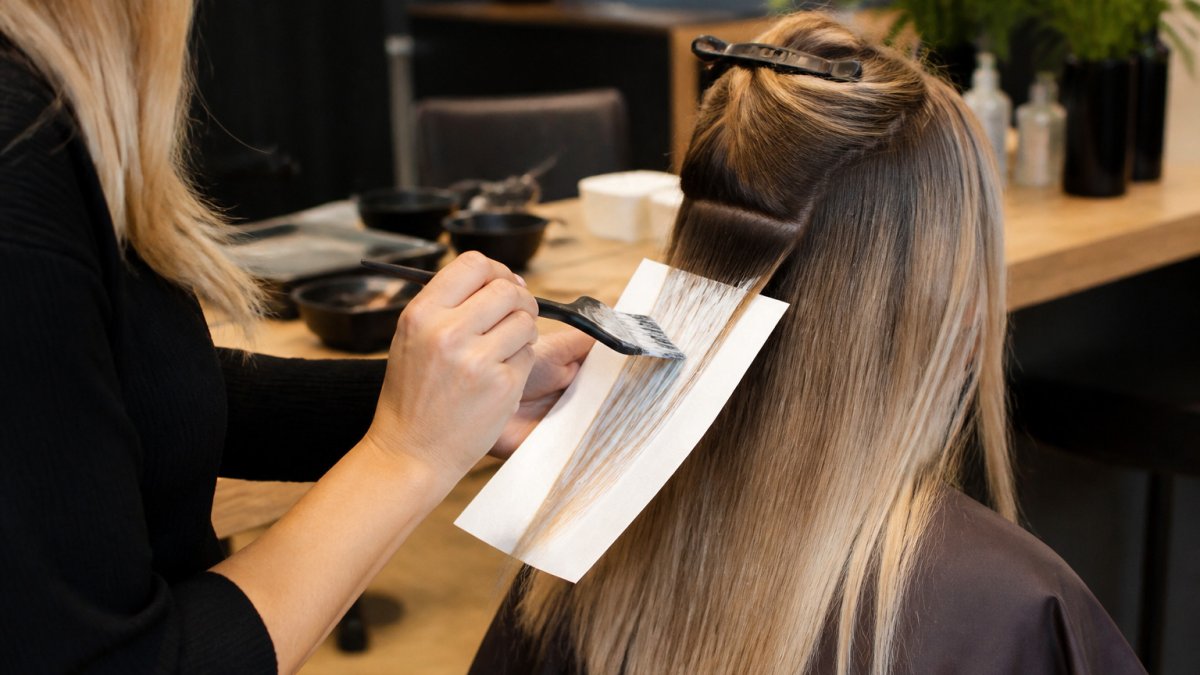
Your colourist can soften the regrowth by adding a few bright pieces at the root, blended into the existing highlights. Ask for a "soft transition" so the change feels gradual, not sudden. Bring a recent photo so the two of you agree on the look before any colour goes on.
Root Smudge for Highlights: When It Works and When It Doesn't
A root smudge is a soft, blended shade placed over the regrowth. It works well when your roots are only slightly darker and you want a low-maintenance finish. It works less well when the contrast is strong, because a smudge can look muddy if it is too dark.
Use root smudging when:
Your regrowth is only a shade or two darker
You want a soft, lived-in look between salon visits
Your hair is in good condition
Skip it when:
Your highlights are very light and the roots are much darker
Your hair is damaged or very fine
You need a precise, sharp result
If you are unsure, your colourist can test a small section first.
Using Toner for Grown-Out Highlights
Toner can refresh grown-out highlights by neutralising brassiness and adding shine. It is often the quickest way to make highlights look fresh again. At ARQ Hair, our colourists work with Wella products to match tone to your natural base and your highlights.
Toner works best when:
Your highlights look yellow or warm
You want more shine without a full colour change
Your hair has been lightened recently
Keep in mind that toner fades over time, so plan a refresh every few weeks if you want the tone to last.
Keeping Grown-Out Highlights Healthy
Healthy hair blends better and holds colour longer. Regrowth is a good time to protect your ends and your lengths.
Use a colour-safe shampoo: it keeps your tone clean and reduces fading.
Limit heat styling: high heat can dry out lightened hair.
Condition after every wash: focus on the mid-lengths and ends.
Trim regularly: a fresh cut removes dry ends and helps the colour look even.
Watch out: heavy, dark root products can build up on lightened hair and leave a dull line near the face, so use them sparingly.
Booking Your Grow-Out Consultation at ARQ Hair
If you want a personalised plan, the easiest next step is a grow-out consultation. Our colourists will look at your current colour, your regrowth pattern and your goals, then suggest the best route forward.
If you are choosing between a root touch-up and a longer plan, our guide to the three root touch-up options a salon colourist recommends compares timing, cost and application. Many clients also find it helpful to read our breakdown of root smudge versus root melt, which explains when each technique suits your hair history and schedule.
Frequently Asked Questions
How long does it take for face-framing highlights to grow out?
Face-framing highlights usually look noticeably grown out after about eight to twelve weeks, though this depends on how fast your hair grows and how fine or coarse it is. Because face-framing pieces are placed close to the hairline and around the face, the regrowth tends to show sooner than on highlights spread through the mid-lengths. Many people book a toner or a soft root blend around the six-week mark to keep the transition smooth. Your colourist can tell you the likely timing for your own hair at your next appointment.
Can a toner soften the line between highlights and natural hair?
Yes, a toner can help soften the contrast between grown-out highlights and your natural colour. Toner adjusts the tone of the lightened hair, so it can reduce brassiness and blend lighter pieces more evenly into the surrounding shade. It will not remove regrowth entirely, so a root blend is often still needed for a seamless finish. Ask your colourist whether a gloss or toner suits your hair condition before committing to a full colour service.
Should I get a root smudge when growing out highlights?
A root smudge can be a good option if you want a softer, more natural-looking transition without a full root colour. It blends the regrowth into the highlights by feathering colour through the root area, which works well for face-framing pieces. However, it is not always the right choice for very dark roots or heavily contrasted highlights, where a more tailored blend may look better. A consultation at ARQ Hair can help you decide whether a root smudge suits your hair.
What should I ask my colourist for when growing out face-framing highlights?
Ask for a soft blend that connects the regrowth to your existing highlights, rather than a full root colour that creates a harsh line. You can also ask whether a toner, gloss, or root smudge would suit your hair and how often you should return. Bring photos of the look you want so your colourist can match the level of lightness and the placement of the transition. Mention any sensitivities or past reactions to colour so the formula can be chosen with care.
Book your grow-out consultation with ARQ Hair and get a plan that keeps your face framing looking soft and bright between visits.
Comments