
How to Place Highlights for Your Face Shape

Last Updated: 26 October 2026
Quick Summary
Highlight placement face shape determines where light should land on your face to create balance and enhance your features. The right placement can widen a narrow face, soften angular features, or add definition where needed most. Strategic placement draws attention to specific areas, whilst poor placement can emphasise features you'd rather downplay.
Round faces benefit from vertical highlight placement at the crown and temples to create length and definition
Oval faces are versatile and allow highlights around the face frame, cheekbones, crown, or mid-lengths based on your goals
Square faces need highlights around temples and cheekbones to soften angles, whilst long faces require horizontal placement across cheekbones for width
Face-framing highlights work for almost every face shape and create immediate softness and dimension near your features
Light colours appear closer to you, so placement strategy depends on whether you want to add length, width, or softness to your face
Table of Contents
Why Highlight Placement Matters for Your Face Shape
Getting highlights right isn't just about adding colour. Where you place them changes how your entire face looks. The right placement can widen a narrow face, soften angular features, or add definition where you need it most. This is why understanding highlight placement face shape dynamics is one of the most important decisions you'll make at the salon.

Your face shape is the foundation. It tells you where light should land. Highlights draw attention to the areas they touch. Place them strategically, and you create balance. Place them wrong, and you can actually emphasise features you'd rather downplay.
The science is simple. Light colours appear closer to you. Dark colours recede. So if you have a round face, you don't want highlights all over. You want them placed to create length and definition. If you have a long face, you want the opposite. You want width and softness.
This is the part most people get wrong. They see a trending highlight colour and ask for it everywhere. But that trending colour needs to land in the right places for your face. Otherwise, it works against you, not for you.
Highlights for Round Faces
A round face has soft, equal width and length. Your goal with highlights is to create the illusion of length and definition. Place highlights strategically to draw the eye vertically rather than horizontally.
Focus highlights along the crown and at the sides of your face near the temples. This lifts your features upward. Avoid placing too many highlights across the cheekbones or the widest part of your face. That will only emphasise the roundness you're trying to minimise.
Here's the practical approach:
Place highlights at the crown to add height and lift
Frame the face along the hairline, but keep them closer to the temples
Avoid horizontal placement across the cheekbones
Add subtle highlights at the back to create depth without width
Consider longer, face-framing pieces that draw the eye down
The goal is to create lines that move your eye up and down, not side to side. When highlights follow vertical patterns, they naturally elongate your face. Discover bespoke highlight placement tailored to your face shape to achieve the best results. This is why highlight placement for round faces works best when it respects this vertical flow.
Many people with round faces worry that highlights will make them look wider. That fear is valid if the placement is wrong. But with proper placement, highlights become your best tool for creating definition and length. Strategic light reflection achieves this slimming effect by drawing the eye vertically, a principle that remains equally vital when choosing sunglasses to complement your facial structure.
Highlights for Oval Faces
Oval faces are the most versatile shape. You have balanced proportions. Your forehead, cheekbones, and jawline are all roughly equal. This means you have more freedom with highlight placement face shape choices.
With an oval face, you can almost place highlights anywhere and still look good. But that doesn't mean you should. Strategic placement still matters. It just gives you more options.
The best approach is to enhance what you already have. If you want to emphasise your cheekbones, place highlights there. If you want to draw attention to your eyes, place them above your brows. If you want to add softness, place them around your face-framing sections.
Consider these placements:
Around the face frame for softness and dimension
Along the cheekbones to add definition
At the crown for lift and movement
Through the mid-lengths for overall dimension
Along the hairline for a sun-kissed effect
Because your face shape is already balanced, you can focus on what you actually want to achieve. Do you want drama? Go bold with placement. Do you want subtlety? Keep highlights closer to the face frame. Do you want movement? Scatter them through the lengths.
This flexibility is why many stylists love working with oval face shapes. But don't let that freedom make you lazy. Even with an oval face, placement still creates impact.
Face-Framing Highlights to Define Your Features
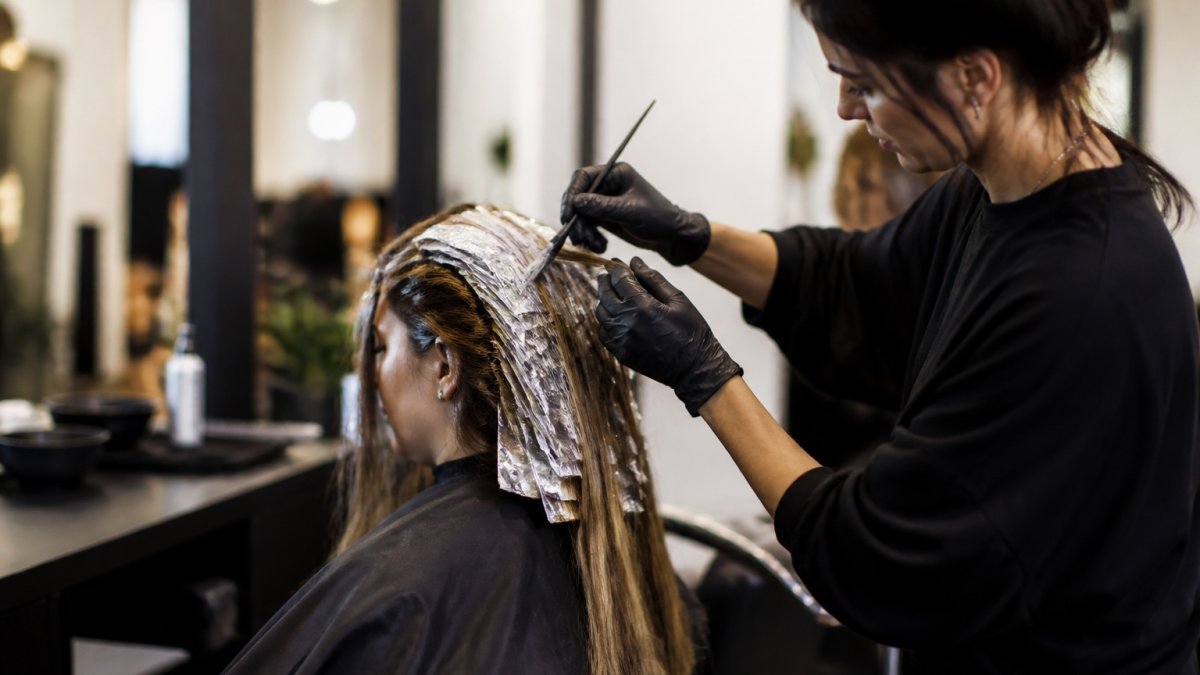
Face-framing highlights are some of the most effective placements. They sit right at the edges of your face, closest to your skin. This means they catch light constantly and create immediate dimension.
Face-framing highlights work for almost every face shape. They soften hard angles, add brightness near your features, and create a lifted, dimensional look. The key is getting the width and depth right.
Your face-framing highlights should start at your temples and follow the natural contour of your face. They should be close enough to frame your features but not so close that they look flat against your head. Depth matters here. The stylist needs to paint them in a way that creates a three-dimensional effect.
Here's what makes face-framing highlights work:
They're closest to your skin, so they brighten your complexion
They create immediate softness and dimension
They work with almost every face shape
They're easier to maintain than all-over highlights
They blend beautifully as they grow out
The colour choice matters too. For face-framing, you want shades that complement your skin tone and create contrast with your base colour. Too subtle, and they won't make an impact. Too bold, and they can look harsh near your face.
Balayage Face Framing for Soft, Blended Dimension
Why choose balayage for face-framing?
Hand-painted application creates natural, blended results
No harsh lines or regrowth marks
Soft dimension that complements your features
Grows out beautifully over several months
Works with almost every hair texture and colour
Highlight Placement for Square and Long Faces
Square faces have strong jawlines and angular features. Your goal with highlights is to soften those angles and add roundness. Place highlights to create softness, not more definition.
Focus on these placements:
Around your temples to soften the sides of your face
Along your cheekbones to add warmth and dimension
At the crown for lift
Avoid heavy placement along your jawline
Long faces need width and softness. Your goal is to make your face appear shorter and wider. Place highlights strategically to create horizontal dimension.
Try these placements:
Across the cheekbones to add width
Around the temples for softness
Through the mid-lengths for overall dimension
Avoid too much placement at the crown, which adds length
Consider face-framing pieces that sit wider on your face
For both square and long faces, the key is understanding what you're trying to correct. Square faces need softness. Long faces need width. Once you know that, placement becomes clear.
Highlight placement for face shape is really about creating balance. Every face has unique proportions. The best highlights work with those proportions, not against them.
Different face shapes benefit from distinct highlight placements to achieve balance and enhance your features.
Face Shape | Best Placements | What to Avoid |
Square | Temples, cheekbones, crown | Heavy placement along jawline |
Long | Cheekbones, temples, mid-lengths | Too much placement at crown |
Round | Crown, temples, back | Horizontal placement across cheekbones |
Oval | Face frame, cheekbones, crown | None; most versatile shape |
Book Your Personalised Highlight Consultation
The right highlights change how you feel about your hair. But getting there requires proper assessment and placement. Your face shape, skin tone, hair texture, and personal style all matter.
At ARQ Hair, we provide personalised hair colouring. We create a plan tailored to your individual style.
We use premium brands like Wella. Gentle colour options are available for those with ammonia sensitivity. And we listen. Your vision matters to us.
Book a personalised highlight consultation with our team in London. We'll discuss your goals and create a personalised plan.
Frequently Asked Questions
Where should highlights be placed for a round face?
For round faces, highlight placement can be considered in relation to the look you want to achieve. Discuss your preferences with your stylist.
What is the difference between face-framing highlights and balayage face framing?
Face-framing highlights describe highlights placed around the face. Balayage is a highlighting service offered by ARQ Hair. Ask your stylist about the options that suit your desired look.
Can highlight placement actually make my face look slimmer?
Highlight placement can change the overall look of a style. Discuss your preferences with your stylist.
Should I choose highlight placement based on my haircut as well as my face shape?
Your haircut and highlight placement can be discussed together when considering the look you want. Speak with your stylist about your preferences.
The difference between good highlights and great ones is placement. Understanding your face shape is the first step. Trusting a stylist who knows how to translate that understanding into colour is the second. At ARQ Hair, we do both. We're ready to create highlights that make you feel confident and beautiful.


Comments