
6–8 Week Blonde Maintenance: Salon Tested Rules to Read Your Hair

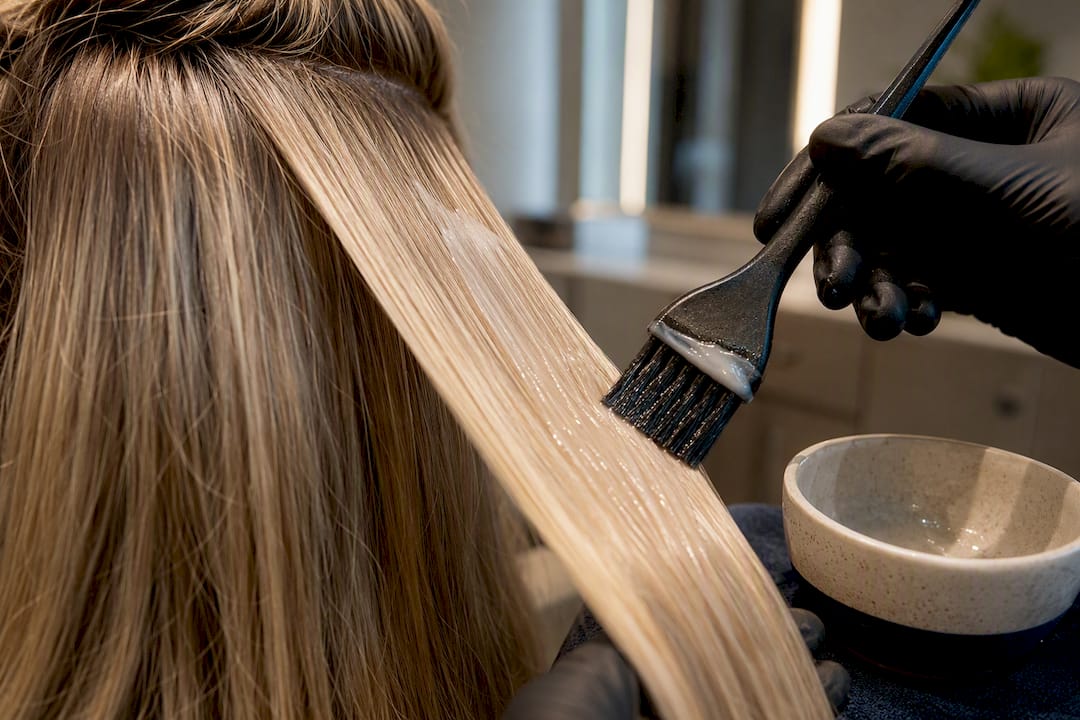
The most effective blonde maintenance routine rests on three habits: a gentle, colour-safe cleanse, targeted toning once or twice a week, and consistent deep moisturising to protect the hair’s integrity. Book a professional gloss or toner regularly to reset tone before warmth takes hold. Follow that rhythm and blonde hair stays vibrant, soft, and salon-fresh between appointments.
TL;DR:
Blonde hair is more porous due to bleaching, which increases vulnerability to warmth, dryness, and damage from environmental factors like UV and chlorine.
A proper routine includes sulfate-free shampoo, weekly conditioning, regular toning with purple or blue products, and deep masks to rebuild moisture and cuticle strength.
Use toning products carefully by matching pigment to hair tone, avoiding overuse to prevent dullness or a purple cast, and always conditioning afterward.
Moisture supplements should be prioritized over protein, as excess protein can stiffen hair, while insufficient moisture leads to fragility and breakage.
Booking a professional gloss or toner every six to eight weeks helps maintain even tone and prevents brassiness, with more frequent visits if uneven color or damage appears.
Table of Contents
Why blonde hair needs extra maintenance
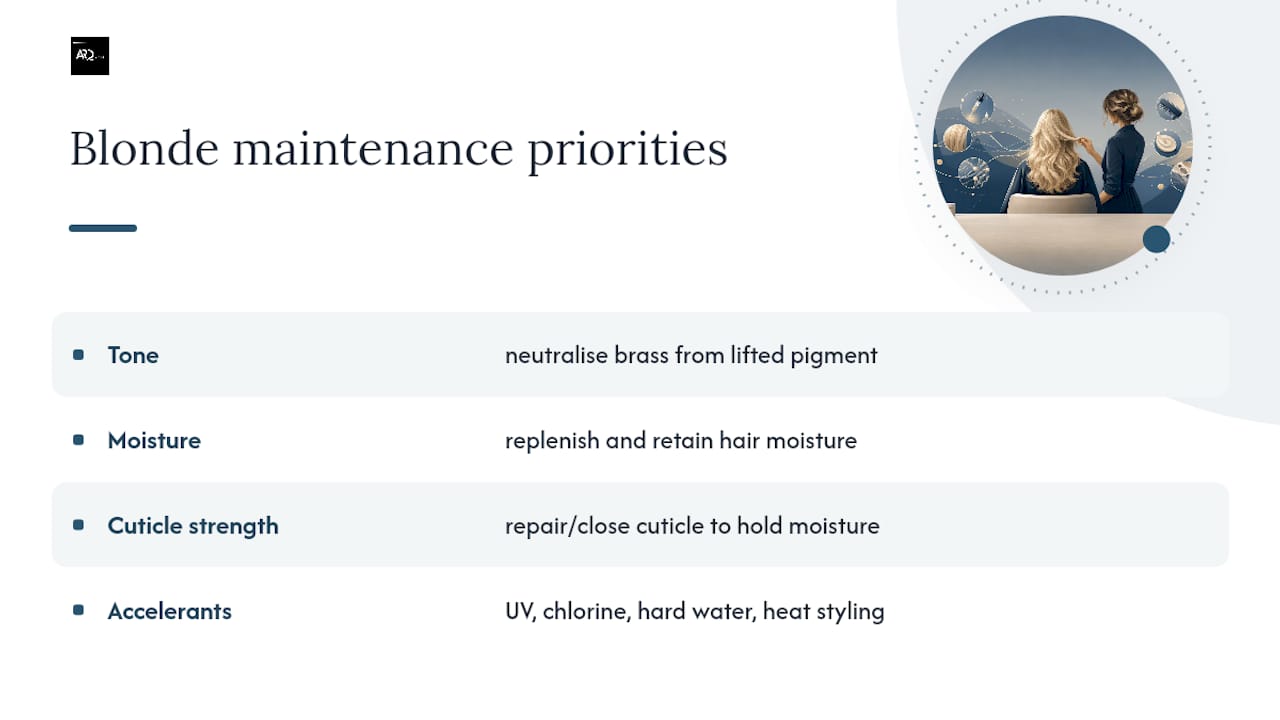
Bleaching lifts the hair’s natural pigment, which means lightening also lifts the cuticle and raises porosity. Porous hair absorbs and loses moisture faster, and it shows warmth more readily, because the underlying pigment left behind after lightening tends to be golden or red. That warmth is not a flaw in the colour service. It is simply what happens when hair is lifted, and KEVIN.MURPHY notes that brassiness is the expected result of porosity meeting environmental exposure, not a mistake to eliminate entirely.
UV light, chlorine, hard water, and heat styling all accelerate the shift towards brass, and each one also strips moisture from an already thirsty cuticle. That is why a blonde hair care routine has to work on three fronts at once, tone, moisture, and cuticle strength rather than treating brassiness as a standalone problem to fight with purple shampoo alone.
The core routine: cleanse, tone, condition
Building a dependable blonde hair care routine starts with the right base products, then layers in colour-specific steps around them. Get this sequence right and everything else, from swim care to salon visits, becomes easier to manage.
Cleanse: Use a sulphate-free, colour-safe shampoo. Sulphates strip pigment faster and leave already-porous hair rougher and duller.
Condition: Pair it with a hydrating conditioner every wash. L’Oréal Professionnel points out that toning without conditioning is the fastest way to leave blonde hair dry and brittle.
Tone: Bring in a purple or blue-toned product once or twice a week, adjusting frequency to how quickly your hair develops warmth and how porous it feels.
Deep condition: Add a proper mask weekly or fortnightly, not just a rinse-out conditioner, to rebuild what bleaching removes.
Clarify occasionally: When hair feels coated or colour looks flat, a clarifying wash lifts mineral and product build-up, always followed by a treatment to replace lost moisture.
This is the same three-pillar structure KEVIN.MURPHY’s blonde hair guidance is built around, and it works because each pillar covers a different weakness: tone addresses colour, moisture addresses structure, and clarifying resets both when build-up gets in the way.
How to use purple and colour-depositing products safely
Purple and blue toning products only work if you match them to the warmth you actually see. Purple pigment neutralises yellow tones, while blue pigment cancels out orange, so the first step is honest: look at your hair in daylight and decide which one you are fighting.
Identify your warmth. Yellow calls for purple, orange calls for blue, and a mix of both may need alternating between them.
Start small. Leave the product on for around two minutes on your first few uses, testing on a small section if you’re using a new formula.
Increase gradually. Add a minute or two at a time only if your hair still looks warm after rinsing, watching for any dullness or violet tint.
Cap the frequency. Once or twice a week is enough for most blondes; using a pigmented product every wash risks a flat or faintly purple cast.
Always condition afterwards. L’Oréal Professionnel recommends following every toning wash with a conditioner so the pigment doesn’t leave hair feeling stripped.
If your hair is highly porous, dial the frequency back rather than up. Porous strands grab pigment more aggressively, and over-toning porous blonde hair tends to produce a muddy or grey tone rather than a brighter one.
Balancing moisture and protein: which treatments and how often
Blonde hair conditioning only works if you know which problem you’re solving, and moisture and protein solve different ones. Too much protein makes hair feel stiff, over-silky, or resistant to bending, while too little moisture shows up as fragility, snapping, or a rough, straw-like texture.
Stiff, brittle, or “hard” hair: Ease off protein treatments and add a moisture-focused mask instead.
Snapping, limp, or overly elastic hair: Prioritise moisture first, then reassess whether protein is needed at all.
Uncertain which it is: Alternate the two treatments and track how your hair responds over a few weeks.
KEVIN.MURPHY’s guidance suggests using protein treatments sparingly over time, while moisture-based masks can be used regularly without risk of overload. For most lightened blondes, moisture should be the default and protein the occasional correction, not the other way round.
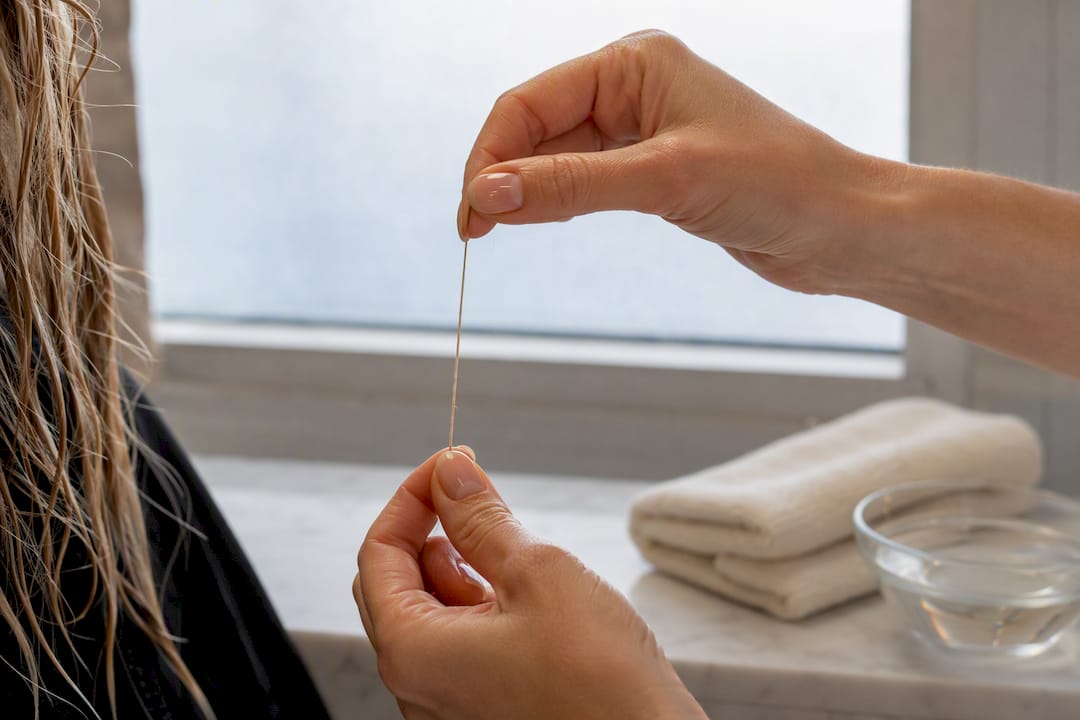
Pro Tip: Do a simple stretch test on a damp strand. If it stretches and springs back, elasticity is healthy. If it stretches and stays stretched, or snaps, that’s a moisture deficit, not a protein one.
Daily and weekly habits that protect tone and health
Small daily choices do more for blonde hair care than any single treatment, because they reduce how much damage accumulates between salon visits in the first place.
Wash less often. Stretching washes to every second or third day reduces cumulative colour fade and dryness.
Rinse with cool water. A cool final rinse helps seal the cuticle and lock in shine after every wash.
Use heat protection every time. Lower your styling temperature where possible, and let hair air-dry when you can.
Wet hair before swimming. Saturating hair with fresh water first reduces how much chlorine or salt water it absorbs, then rinse again straight after.
Clarify after pool use. Colour Wow recommends clarifying to lift chlorine and mineral build-up, followed by a deep treatment to restore moisture.
Consider a shower filter. Hard water deposits minerals that shift blonde tones over time, and a filter is a low-effort fix for a recurring problem.
Together, these habits are what stretch the life of a professional colour service. None of them replace toning or conditioning. They simply slow down how fast the damage that makes toning necessary builds up.
When to book a colourist for a gloss or toner
Most blondes do well on a six to eight week rhythm for a professional gloss or toner, paired with a trim to keep ends healthy. That cadence gives colour a chance to be reset before warmth builds up beyond what home care can manage.
Book sooner if tone turns uneven, orange, or takes on a greenish cast, or if you notice breakage that home treatments aren’t resolving. These are signs the cuticle needs professional attention rather than another round of purple shampoo. Costs vary by the level of correction needed and how much toning or bond repair is involved, so a short consultation is the fastest way to get a realistic plan and price for your hair.
Expert tips from ARQ Hair: salon-tested troubleshooting
Salon toning and at-home toning solve different problems. When porosity is high, we often reach for a gloss rather than a heavier toner, because a gloss deposits less raw pigment while still refreshing shine and correcting mild warmth. Wella Professionals makes the same distinction: a gloss resets tone gently, without loading porous hair with more pigment than it can hold evenly.
If a client’s blonde is patchy, snapping, or turning green despite a solid home routine, that’s not a sign to tone harder. It’s the cue to book a bond-repair treatment before any more colour goes on.
Our Wella Colour Experts read porosity and elasticity at every appointment, adjusting the plan rather than applying the same toner regardless of condition. Clients who follow a consistent maintenance routine between visits tend to need less correction each time, and that consistency is exactly what our repeat blonde clients ask us to help them build.
A stylist’s honest take on staying blonde
Most blonde disasters come from panic, not neglect. Reach for pigment on a bad-hair day and you overcorrect. Stick to a rhythm, book ahead, and add one weekly hydrating mask now. That’s the whole secret.
— RICARDO
Book professional blonde care with ARQ Hair
Arqhair is the alternative to guessing your way through blonde upkeep. Instead of stacking purple shampoo washes and hoping for the best, you get a Wella Colour Expert reading your hair’s actual porosity and tone at every visit, so corrections happen before brassiness sets in, not after.

The salon offers services supporting this routine:
Bespoke highlights and balayage with a maintenance plan mapped to your hair’s porosity
Professional colour and glossing using customised Wella shades
Hair packages that bundle glossing and treatments so upkeep costs less guesswork
If your blonde is due a reset or you’re not sure whether you need a gloss or a full correction, book a consultation with ARQ Hair and get a plan built around your hair, not a generic six-week rule.
Sources
FAQ
What is the hardest hair colour to maintain?
Bleached or lightened blonde is generally considered the most demanding, because lifting pigment raises porosity and makes warmth, dryness, and breakage far more visible than on darker, less-processed colour.
Is blonde hair difficult to maintain?
It needs more consistent care than darker shades, but a routine of colour-safe cleansing, weekly toning, and regular deep conditioning keeps most blondes healthy and vibrant between salon visits.
How much does blonde maintenance cost?
Costs depend on how much correction and toning your hair needs at each visit, so it varies significantly between clients; a consultation with your colourist is the most reliable way to get an accurate figure for your hair.
What is a good hair care routine for blonde hair?
A solid blonde hair care routine combines a sulphate-free colour-safe shampoo, a purple or blue toning product once or twice weekly, a deep-conditioning mask weekly or fortnightly, and a professional gloss or toner every six to eight weeks.
How often should I use purple shampoo?
Most blondes see the best results using a purple shampoo once or twice a week, adjusting based on how quickly their hair develops warmth and always following with a conditioner.
Recommended
Comments