
Grey blending hair: the low-maintenance way to embrace your grey

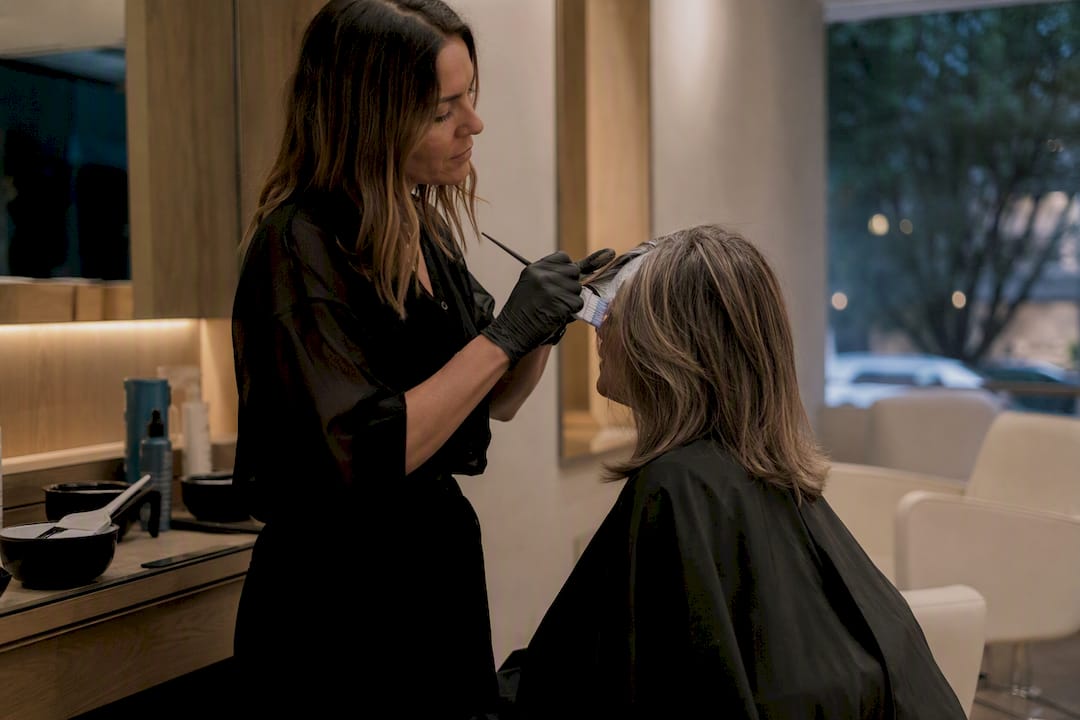
Grey blending weaves your natural silver strands into a network of highlights and lowlights, so the grey looks intentional rather than patchy. It works best if you have roughly 20 to 60% natural grey. The main pay-off is straightforward: fewer trips to the chair, a softer grow-out, and a look that ages gracefully with you instead of fighting your roots every month.
Before you book, it helps to know:
Grey blending suits most people within that 20 to 60% grey range
It reduces upkeep compared with full permanent colour
Regrowth looks soft rather than sharply demarcated at the parting
Key Takeaways
Grey blending suits most people with 20 to 60% natural grey and works by weaving highlights, lowlights, and toning into your existing colour rather than covering it outright.
Point | Details |
Check your grey percentage | Blending works best between 20 and 60% grey; outside that range, ask about alternative techniques. |
Budget real appointment time | Expect 3 to 4 hours initially, or 5 to 6 hours plus follow-ups for heavily dyed dark hair. |
Use silver shampoo sparingly | Once or twice a week keeps tone fresh without turning hair flat or lilac. |
Stage the process if needed | Previously permanent-dyed hair often needs two or three appointments to avoid harsh lines. |
Book with a specialist | Arqhair’s Wella Colour Experts assess grey percentage and hair history before recommending a staged colour plan. |
Table of Contents
What is grey blending hair, and how does it differ from full coverage?
Full coverage dyes every strand to hide the grey completely. Grey blending does the opposite: it works with your natural silver rather than against it, threading lighter and darker pieces through your base colour so the grey reads as a deliberate part of the palette. At Arqhair, we think of it as diffusing rather than disguising. Instead of one flat colour fighting new growth every four weeks, you get a woven effect that camouflages the line where colour meets root.
The technique tends to be gentler on the hair over time, since it avoids the repeated, all-over chemical processing that comes with monthly root touch-ups. That gentler pace shows up in the maintenance calendar too.
Full coverage typically needs retouching every 4 to 6 weeks
Blended grey can often stretch to every 8 to 12 weeks between salon visits
Regrowth is far less visible because the grey already forms part of the design
Hair generally sees less cumulative chemical exposure across a year
Visually, you should expect texture and dimension rather than one uniform tone. That is the whole point.
Which grey blending techniques should you ask your stylist for?
The vocabulary matters here, because asking for the right technique by name gets you a better result and a smoother consultation. A few core methods do most of the work.
Babylights: fine, delicate highlights placed close to the root that mimic the way grey naturally emerges, softening the line between old and new growth.
Balayage: a hand-painted technique that places lightness where it falls naturally, useful for framing the face and blending grey at the temples and parting.
Lowlights: darker pieces woven back in to add depth, stopping an all-grey section from looking flat or washed out.
Root smudging: a soft, shadow-root technique that blurs the line at the scalp, so regrowth looks like part of the design rather than a giveaway.
Demi-permanent glosses and toners: these sit over the base colour to fine-tune warmth and shine. Acidic demi formulas are best for gloss and shine, while alkaline demi allows gentler cuticle lift for better pigment anchoring, particularly on coarser, resistant grey strands.
AirTouch and foilyage: airier variations on balayage that create soft, diffused edges, often used when someone wants more coverage than babylights alone but still wants movement rather than blocks of colour.
Bleach-out or colour correction: reserved for hair with years of permanent dark dye built up, where lifting to a workable base has to happen before any blending can start.
Pro Tip: Bring reference photos to your consultation. Stylists rely on visuals to work out whether you want a soft transition, partial blending, or a full grow-out plan, and it saves everyone guesswork on the day.
Who is grey blending really for?
Grey blending flatters most heads of hair, but it is not universal, and knowing where you sit on the spectrum saves you a disappointing first appointment.
The technique works best for people with roughly 20 to 60% natural grey, since there needs to be enough grey to weave with and enough natural pigment left to blend against
Below that range, grey highlights alone can look sparse; above it, a different approach such as a full grow-out or reverse balayage may suit you better
If your hair has years of permanent dark dye built up, expect a longer, staged process. Lifting dark, processed hair without harsh demarcation lines usually takes more than one visit
Fine or high-porosity hair tends to take toner and lift quickly, while coarse, resistant grey often needs alkaline demi formulas to anchor pigment properly
Men’s grey blending usually involves shorter, more targeted work, softening the sides and temples rather than full-head highlighting, which keeps sessions quicker and upkeep lower
What actually happens at your grey blending appointment?
Book more time than you would for a simple root tint. Most stylists set aside 3 to 4 hours for an initial grey blending appointment, and more involved colour correction work can run to 5 to 6 hours or need multiple visits.
If your hair has heavy permanent colour history, don’t expect it all in one sitting. Staging the work across two or three appointments protects hair integrity far better than one aggressive session, and it gives your stylist room to schedule bond-repair treatments between visits rather than compressing everything into a single stressful day.
Around 20 to 60% grey coverage is the sweet spot stylists look for when recommending a blending approach over full coverage.
Cost depends on a few concrete factors. Ask about each of these at consultation:
Your starting colour, since heavily dyed dark hair needs more lifting work than virgin grey
The volume of highlights and lowlights required to build a convincing blend
Toning and gloss add-ons needed to neutralise brassiness or warmth
Any bond-building or repair treatments recommended alongside the colour work
How often you’ll need to return, and what homecare they recommend between visits
How do you maintain grey blended hair at home?
The salon work only holds up if the homecare matches it. Purple or silver shampoo is the backbone of most routines, but frequency matters. Use it once or twice a week rather than daily. Over-use can turn silver tones flat or slightly lilac, especially on finer hair.
A gloss or demi-permanent toner between highlight appointments refreshes tone and knocks back warmth without committing to another full colour service, which is worth booking in every 4 to 6 weeks if your grey tends to yellow. Bond-building treatments such as K18, alongside a professional glossing service, help repair the internal structure of hair that has been through repeated lightening, keeping it resilient rather than brittle.
Wash with purple or silver shampoo once or twice a week, not every wash
Book a gloss top-up every 4 to 6 weeks to manage warmth between colour appointments
Use a bond-repair treatment periodically if your hair has been lightened
Keep heat styling moderate. Heat damage shows up fastest on lightened strands
Pro Tip: Swap one wash a week for a hydrating mask instead of shampoo. Grey and lightened hair tends to run drier, and over-washing accelerates fade.
How Arqhair approaches your grey blending consultation
Every grey blending plan at Arqhair starts with a proper consultation, not a guess. As Wella Colour Experts with three decades of family experience behind the chair, our stylists assess your grey percentage, hair history, and porosity before recommending a technique, and we’re upfront if your hair needs staged sessions rather than a single appointment.
A typical consultation covers:
Current grey distribution and whether babylights, balayage, or root smudging suits your regrowth pattern best
Whether previous permanent colour needs a correction phase first, referencing our colour correction guidance where relevant
A staged plan with realistic timelines, so you know whether to expect one long session or several shorter ones
A homecare and maintenance schedule tailored to your tone and porosity
One recent client came in with several years of box-dye buildup and wanted a natural, low-maintenance grey. We staged the work over two appointments: a corrective lift first, then babylights and a root smudge at the follow-up, with a bond treatment scheduled between the two. She now tops up every ten weeks instead of monthly. You can book a colour consultation to talk through your own starting point.
Popular grey blending styles worth asking about
Trends in grey blending shift each season, but a handful of looks come up again and again in consultations. Salt and pepper balayage is one of the most requested, weaving warm and cool greys through mid-brown or dark bases for a naturally dappled effect that grows out with almost no visible line. Silver babylights work brilliantly on shorter, cropped styles, where fine, root-hugging highlights let the grey emerge gradually without a jarring contrast against darker ends.
For longer hair, money-piece framing combined with a root smudge has become popular, brightening just the face-framing pieces while letting the rest of the head transition more subtly. It gives the illusion of a fuller blend without the cost of a full-head service.
Reverse balayage, where lowlights are painted into hair that has gone predominantly grey or white, suits people whose natural silver has taken over more than the usual
ceiling but who want a little warmth and dimension back rather than flat, uniform white.
Men’s grey blending trends have moved toward subtlety at the temples and crown, often paired with a shorter cut that lets the natural texture of greying hair do more of the visual work than colour does. Where longer styles are in play, mixing in extension pieces or textured braiding can help manage contrast during a transition. Techniques used by extension specialists for blending textures seamlessly translate well here, particularly for anyone easing into a fuller grey look without cutting length first.
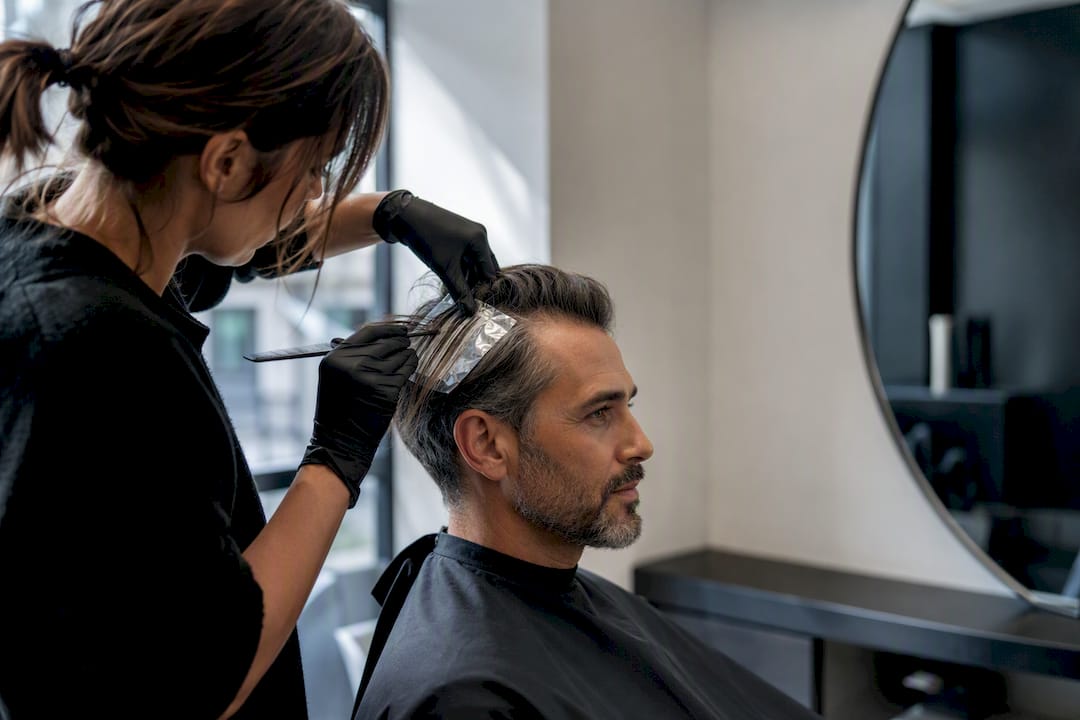
Across all of these, the common thread is restraint. The best grey blending work looks like hair that simply grew this way.
How stylists customise grey blending for different hair types
Technique choice should follow hair type, not the other way round. A stylist working through a grey blending plan typically moves through the same sequence, adjusting each step for the client in the chair.
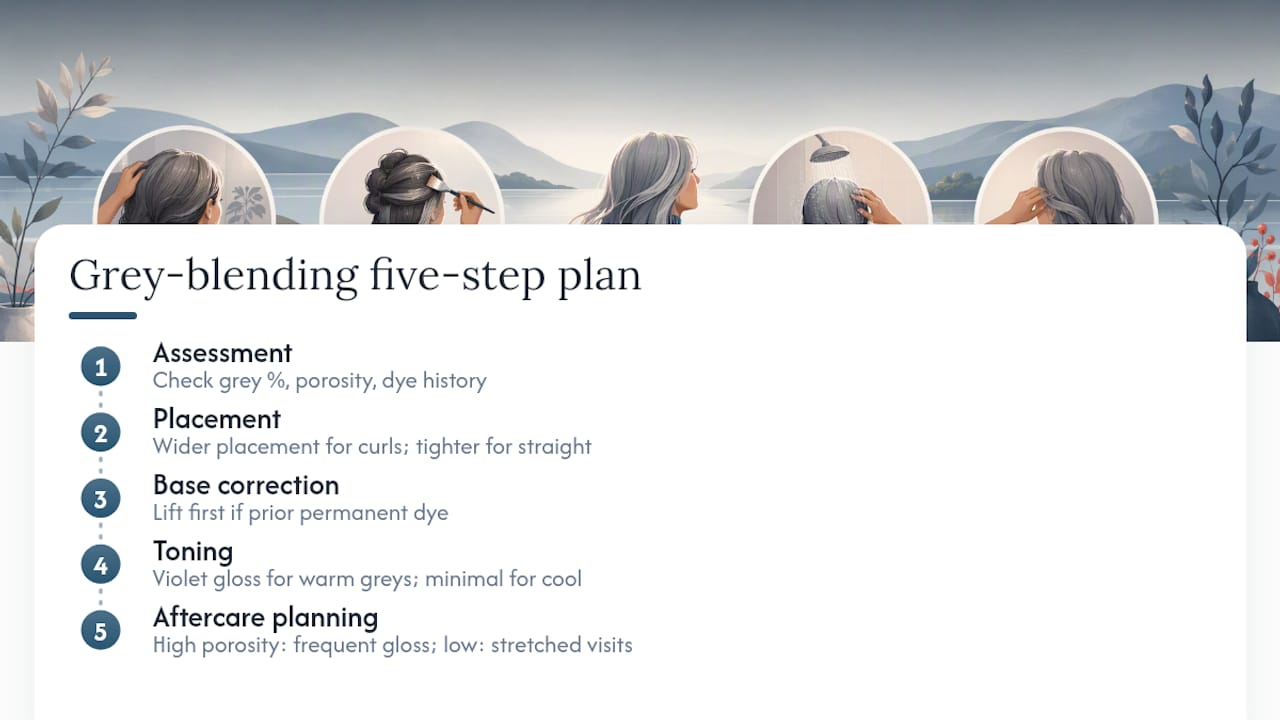
Step one is always assessment: grey percentage, porosity, and whether the hair carries permanent dye history. Fine, high-porosity hair lifts and tones quickly, so a stylist might reach for babylights and a lighter demi gloss straight away. Coarse, resistant grey with a tighter cuticle structure often needs an alkaline demi formula to get pigment to anchor properly, since that cuticle lift matters more on resistant strands.
Step two is placement. Curly and coily textures scatter light differently to straight hair, so foil placement for babylights or balayage needs to sit slightly wider to read clearly once the curl pattern springs back. On straight, fine hair, tighter, closer placement near the root gives a more natural root-smudge effect.
Step three is base correction, where needed. Hair carrying years of permanent dark dye almost always needs a lift phase before any blending highlights go in, and that phase gets scheduled separately from the creative colour work.
Step four is toning, chosen by undertone rather than by habit. Warmer natural greys often need a violet-based gloss to neutralise brassiness, while cooler, blue-white greys need barely any correction at all.
Step five is aftercare planning, tailored to porosity. Higher porosity hair fades faster and needs more frequent gloss top-ups; lower porosity, denser hair holds tone longer and can stretch appointments out.
Common pitfalls in grey blending and how to avoid them
The most frequent mistake is going in with unrealistic timelines. Clients with years of dark permanent colour often expect a single-session transformation, and pushing for that in one sitting risks over-processed, damaged hair rather than a clean blend. The fix is straightforward: agree a staged plan upfront, even if it means two or three shorter appointments instead of one long one.
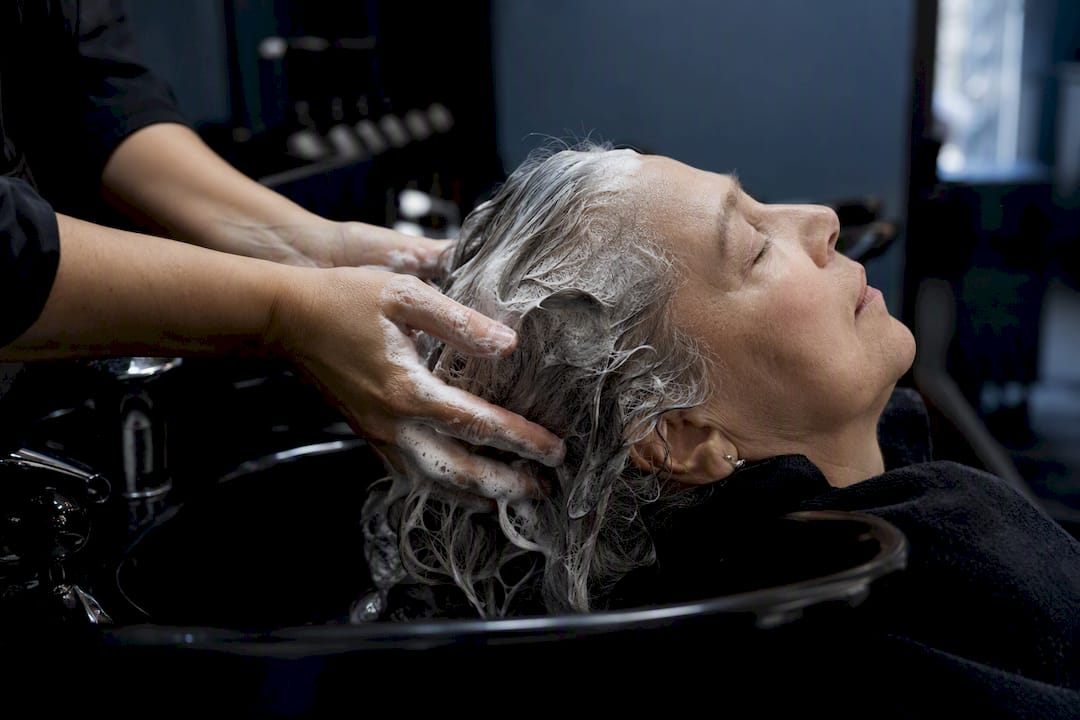
Brassiness is another recurring issue, particularly a few weeks after the initial appointment as toner fades. Warm undertones in natural grey hair often push through gold or orange once a violet-based gloss wears off. Regular gloss top-ups, alongside a silver shampoo used sparingly rather than daily, keep this in check without over-processing the hair between salon visits.
Over-highlighting is a subtler trap. Some stylists, keen to cover every grey strand, place too many foils too close together, which erases the natural dimension that made blending attractive in the first place. The better approach is fewer, well-placed pieces that let some natural grey show through untouched, since that contrast is what makes the blend look organic rather than dyed.
Finally, resistant grey strands can refuse to take toner evenly, leaving patches that look slightly different to the rest. This usually comes down to cuticle structure. An alkaline demi formula, applied with a touch more processing time on those sections, tends to solve it without resorting to permanent colour.
What happens to your hair and colour over the long term?
Grey blending’s biggest long-term advantage is what it does not do to your hair: it avoids the repeated, all-over chemical processing that comes with monthly full-coverage retouching. Because the technique is less damaging and more gradual than full permanent colour, hair tends to stay in noticeably better condition after a year of blending compared with a year of root-to-tip dyeing.
Colour longevity follows a similar pattern. Because blending relies on highlights, lowlights, and demi-permanent toning rather than one flat permanent shade, fading happens more gradually and unevenly, in a way that reads as natural sun-lightening rather than an obvious grow-out line. Many clients find they can stretch from monthly root visits to appointments every 8 to 12 weeks, which means less cumulative lift and lower long-term damage overall.
That said, the transition period itself carries some risk if rushed. Hair that has been lifted from a dark permanent base needs bond-repair support scheduled alongside the colour work, not as an afterthought once damage shows. Done properly, most clients report hair that feels stronger a year into blending than it did under a full-coverage routine, simply because it is processed less often and less aggressively.
How to talk to your stylist about expectations and lifestyle
Colourists who work with grey blending regularly point to one thing above all else: patience and clear communication make or break the result. Blending grey is often an emotional decision, not just a cosmetic one, so a good consultation spends as much time listening as it does explaining technique.
Before your appointment, think through a few practical questions your stylist will likely ask. How much time can you realistically give to maintenance, both in the salon and at home? Are you hoping for a quick transition or a slower, more gradual one? Do you swim, exercise heavily, or work somewhere with strong sun exposure, all of which affect how fast toner fades? Answering these honestly helps your stylist recommend a technique that fits your actual life, not just your Pinterest board.
It also helps to be specific about your tolerance for the in-between stage. Some clients are happy with visible regrowth for a few weeks; others want root smudging worked in from day one to disguise it immediately. Neither is wrong, but saying so upfront avoids frustration later. Bringing reference photos, as mentioned earlier, gives your stylist a shared visual language rather than relying on words like “natural” or “subtle”, which mean different things to different people.
Why the “just cover it” advice misses the point
Most grey advice still defaults to full coverage, as though grey were a problem to erase rather than a texture to work with. That advice made sense when colour technology offered fewer subtle options. It makes less sense now, when babylights, root smudging, and demi-permanent glosses can do the work of hiding a harsh line without the monthly commitment full coverage demands.
What gets underestimated is how much the staging matters, not just the technique. Plenty of guides list balayage and lowlights as if any stylist can apply them identically to any head of hair. In practice, someone with years of dark permanent dye needs a completely different runway to the same result than someone with virgin grey. Skipping that groundwork is where most disappointing blends come from, not the choice of technique itself.
If you take one thing from this, prioritise the consultation over the Pinterest board. A stylist who assesses your grey percentage, porosity, and colour history properly will steer you toward a plan that actually grows out well, rather than one that looks good for a fortnight and then needs rescuing. That is where Arqhair’s approach, built on genuine Wella Colour Expert training rather than a single trending technique, earns its keep.
— RICARDO
Book a grey blending consultation with Arqhair
Arqhair gives you a staged, stylist-led route to grey blending instead of a one-size-fits-all root tint, backed by three decades of family colour expertise and a team of Wella Colour Experts who assess your hair before recommending a single foil.
If you’re weighing up a soft transition against a faster one, or you’re unsure whether your hair needs a correction phase first, that’s exactly what a consultation is for. We’ll look at your grey percentage, your colour history, and your lifestyle, then map out whether babylights, balayage, or a root smudge suits you best, and how many appointments it will realistically take. Browse our highlights and balayage service for a sense of the techniques we use most, or look through our transformation gallery for examples of staged blends. When you’re ready, book your colour consultation and we’ll build a plan around your hair, not a trend.
Sources
Cosmopolitan, Harper’s Bazaar, Vogue, Redken Pro, and Modern Salon informed this guide. For a personalised plan, visit Arqhair.
Grey blending: the chic, low-maintenance way to embrace ageing hair
What to know about grey blending, the modern colour technique for embracing mature hair
What is Gray Blending? Experts Break Down the Latest Hair Coloring Technique | Vogue
The Art of Gray Blending: One Stylist’s Approach to a Beautiful Transition | Modern Salon
Recommended
Comments