
Leave With a Plan: Haircut Consultation With Wella Expertise

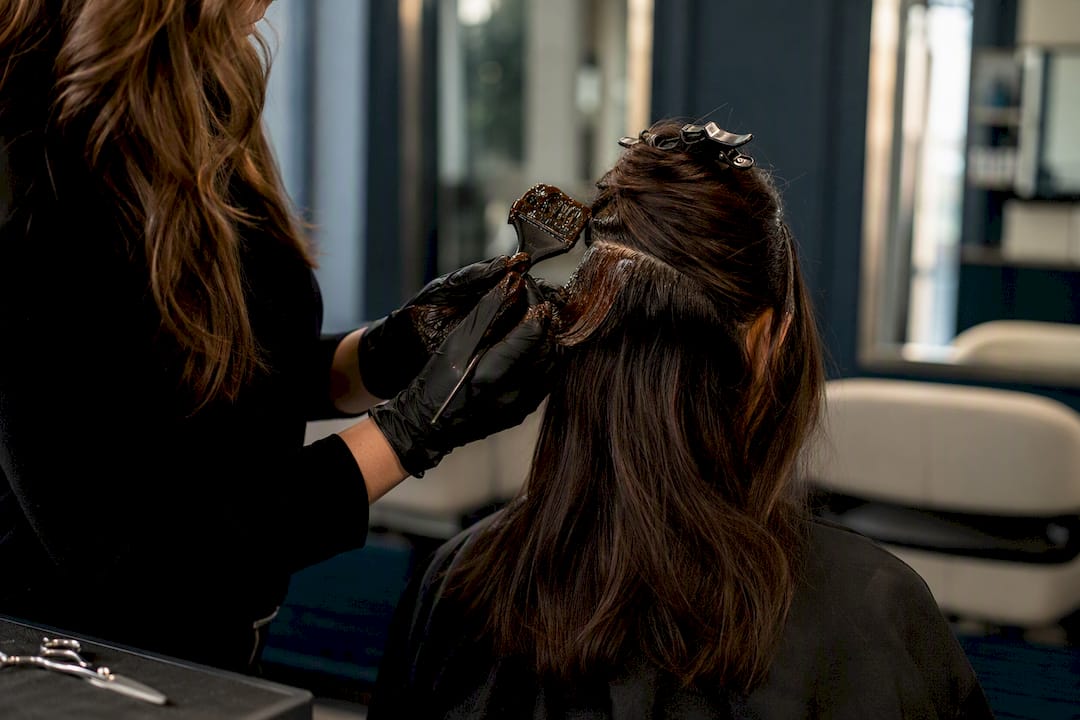
A haircut consultation is a focused, hands-on assessment where a trained stylist or colour expert examines your face shape, hair texture, condition and lifestyle before recommending a cut or colour plan. Done properly, it ends with clear next steps, not just a vague idea. You leave knowing what will happen, how long it will take, and what it will cost.
TL;DR:
Major colour changes or corrective treatments require extensive consultation and multiple staged sessions for safe, effective results.
Preparing for a consultation involves gathering reference photos, documenting chemical history, and considering your styling routine and product sensitivities.
A thorough consultation includes face shape, hair condition, texture, scalp health, and lifestyle, with longer slots recommended for complex styling or colour work.
Post-appointment guidance should cover at-home products, visit frequency, heat styling limits, and addressing any concerns about fading or damage.
Consultations at ARQ Hair follow a structured checklist, concluding with a detailed plan, timeline, and cost estimate, especially for colour or significant style changes.
Table of Contents
What a consultation covers: the stylist’s assessment checklist
A proper consultation isn’t small talk before the scissors come out. It’s a structured review, and each part tells the stylist something specific about what your hair can realistically do.
Face shape — shapes the outline and length that will flatter your features.
Hair texture and density — determines whether a style holds, drops, or frizzes, and how much product it needs.
Current condition — flags damage, dryness or breakage that limits what colour or cutting techniques are safe.
Colour history — reveals past bleach, box dye or henna that could react unpredictably with new treatment.
Scalp health — affects both comfort during chemical services and how quickly hair grows back after a cut.
Lifestyle and maintenance habits — decides whether a low-fuss style or a higher-upkeep one actually suits your week.
Texture and maintenance tolerance tend to matter more than face shape alone, according to guidance from Byrdie, which is why a stylist will always ask about your morning routine before your bone structure.
Pro Tip: Ask your stylist to check your hair from more than one angle under natural light. A single mirror glance misses how a cut will actually fall once you’re out the door.
When do you actually need a consultation?
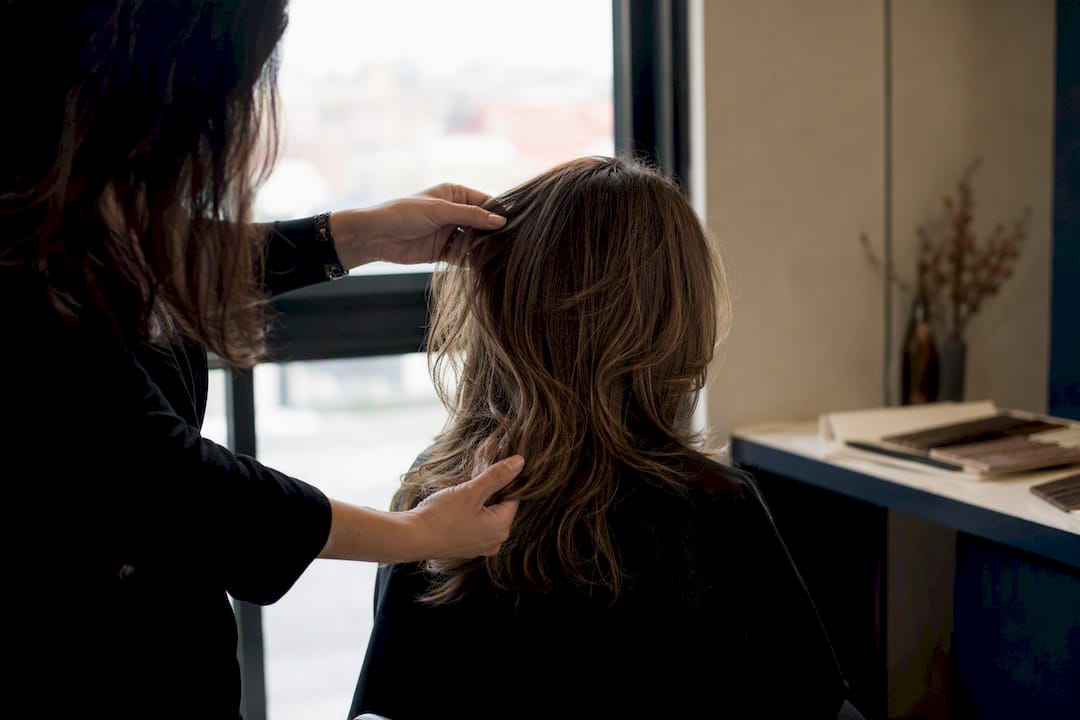
Not every visit calls for a full sit-down assessment. A routine trim or a simple length reduction rarely needs more than a few minutes of chat in the chair. But certain situations genuinely warrant a proper consultation slot, and skipping one in those cases is how people end up with results they didn’t ask for.
Book a full consultation for:
Major colour changes, especially going lighter or switching colour families.
Corrective colour work, where past treatments need to be assessed and unpicked safely.
A big chop or dramatic restyle.
Your first visit to a new salon or stylist.
Planning hair extensions, where density and attachment method both need checking.
Short slots (10 to 15 minutes) suit routine maintenance. Longer sessions (30 minutes or more) suit anything involving chemical change, correction, or a style you’ve never worn before.
How to prepare for your haircut consultation
Turning up with a clear idea of what you want, and the right information to back it up, makes the whole process faster and the outcome more accurate.
Gather 3 to 5 reference photos showing the style from the front, side and back. Photos on hair with similar texture and density to yours give far more useful guidance than a single glamour shot, as Find My Haircut points out.
Write down your colour and chemical history, including any bleach, perms, keratin treatments or henna in the last two years.
Note your home products, allergies and any scalp concerns you’ve noticed recently.
Think honestly about your styling time. Fifteen minutes with a hairdryer is a different starting point to none at all.
Wash your hair the night before so it’s clean but not freshly blow dried, showing its natural fall.
Pro Tip: Hairstyle try-on apps are fine for previewing a silhouette, but they can’t replace a strand test or a hands-on check for colour work. Treat them as a mood board, not a plan.
What happens during an in-salon consultation, step by step
The structure varies slightly by salon, but a thorough consultation generally follows the same sequence.
Arrival and intake. You’ll be asked about your styling routine, product use and what you like or dislike about your current hair, similar to the intake process described by McGill’s Hairdressing.
Photo review. Your reference images get discussed against your actual hair, so expectations are grounded from the start.
Hands-on checks. The stylist examines texture, elasticity, porosity, and how your hair naturally falls and parts.
A demonstration of options. You’ll hear the likely shapes or techniques on the table, along with what upkeep each one demands.
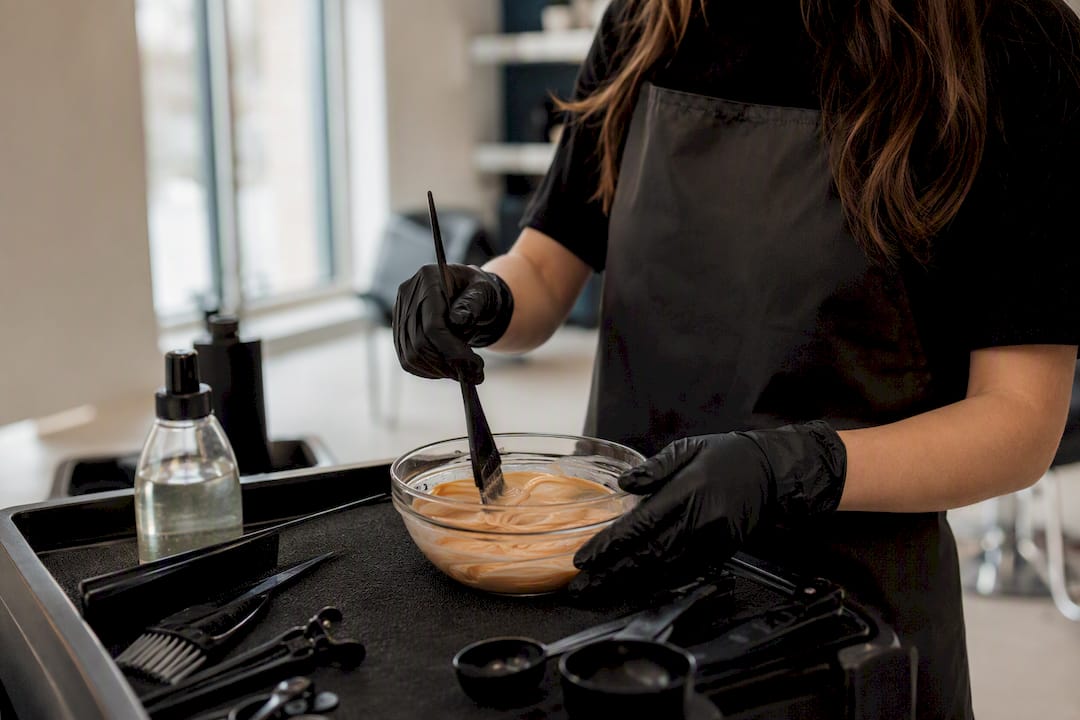
Testing, where needed. Strand tests or patch tests come in for anything involving significant colour change, and staged appointments get scheduled for corrective work that can’t safely happen in one sitting.
Salons that specialise in colour correction routinely build in this staged approach, spacing lightening sessions weeks apart with conditioning treatments between them to protect hair integrity, a method Hair Cultures also highlights for safer colour planning.
What you should leave with: plan, timeline and cost
A consultation that’s done its job leaves you with three things: a named plan, a timeline, and a rough cost.
A recommended technique, named clearly, such as balayage, root melt, or a blunt bob, along with a maintenance schedule.
A visit count. Corrective or heavily lightened colour work often needs multiple staged sessions rather than one long appointment, which is part of why it costs more.
Pricing factors, including technical difficulty, hair length, and whether extensions are involved.
A written summary or service code, so future visits align with what was agreed rather than relying on memory, an approach recommended by Find My Haircut.
On tipping, UK custom is discretionary, but a common benchmark is 10 to 15% for service that meets or exceeds expectations.
Aftercare and maintenance the consultation should cover
Before you leave the chair, your stylist should walk you through how to keep the result looking sharp, not just hand you a receipt.
At-home products matched to your hair type, with guidance on how often to use them.
Salon visit frequency, typically every 6 to 8 weeks for cut maintenance and every 3 to 4 months for precision shapes needing regular reshaping.
Heat styling limits and protective habits, particularly after colour work.
What to do between visits if you notice fading, dryness or breakage, rather than waiting until your next booking to mention it.
If your look involves extensions, a dedicated extension consultation checklist covers density and attachment questions that a general cut consultation won’t.
Why trust this guidance: ARQ Hair, Ricardo and Wella colour expertise
This guidance comes from Ricardo and the team at ARQ Hair, where consultations follow the same structured checklist described above, backed by three decades of family experience in the trade. ARQ Hair’s stylists hold Wella Colour Expert status, a distinction earned through recognised colour training rather than a marketing label. Every consultation is documented, and colour work that needs staging is scheduled that way from the outset, not decided on the fly.
Book a tailored consultation at ARQ Hair
If you’ve read this far because you’re planning a colour change, a big chop, or simply want a plan that actually fits your routine, ARQ Hair’s consultations are built around exactly that. You’ll sit with a Wella-trained colourist or stylist who works through the same face shape, texture, condition and lifestyle checklist covered above, whether you’re booking through cutting and styling or exploring colour options.
Consultations typically run longer for colour work than for a straightforward cut, and you’ll leave with a written plan, not a verbal maybe. A few things help on the day:
Bring your reference photos, front, side and back.
Come with clean, dry hair where possible so texture shows clearly.
Mention any allergies or past chemical treatments upfront.
Ready to get a plan that’s actually yours? Book your consultation and bring your photos along.
Stylist’s closing perspective and invitation
Every good result starts with an honest conversation, not a photo you scrolled past once. Bring your real routine, your real history, and be candid about what you’ll actually maintain. That’s how a plan holds up past week one. For anything major, book the proper consultation.
— RICARDO
Sources
Recommended
Comments