
Grow Out Friendly Haircut Trends 2026: 8 Looks to Book

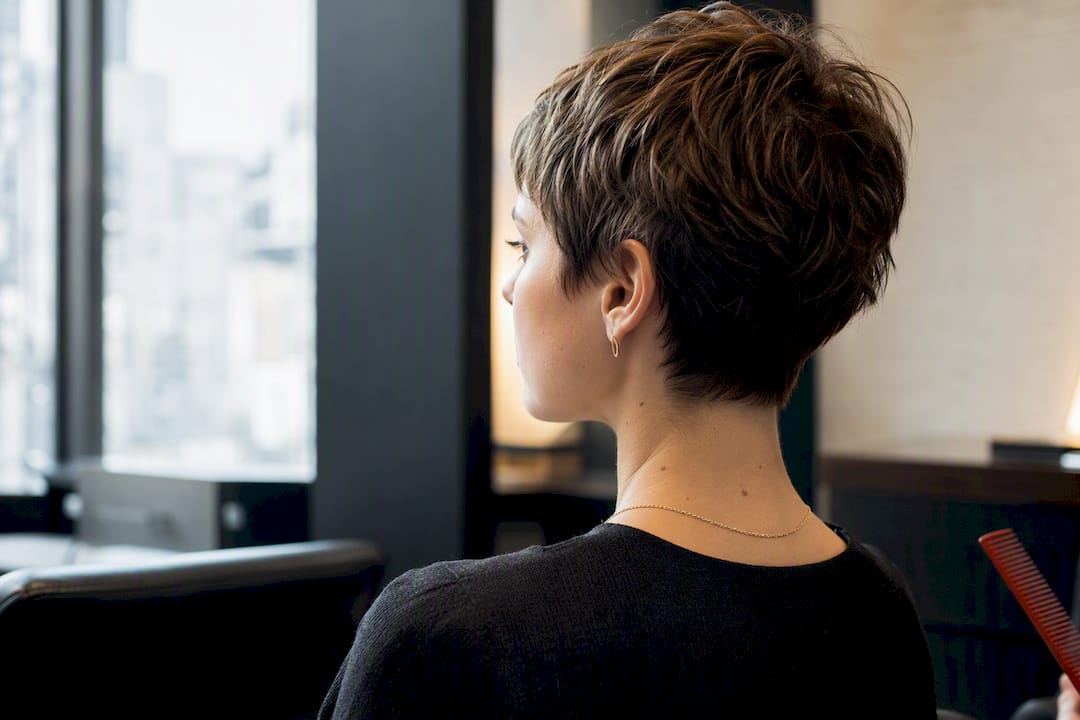
Movement wins in 2026. Strategic layering and a lived-in finish define the year’s biggest cuts, from the Modern Shag to the collarbone lob and the grown-out pixie. Tell your stylist you want a shape that grows out beautifully, not one that needs weekly rescuing.
TL;DR:
The Modern Shag requires lighter internal texturizing for fine hair to prevent thinning and is styled with scrunching or light serums for effortless movement.
The flippy lob and blunt collarbone lob are versatile, with the former adding softness and the latter creating a clean, graphic finish, both lasting up to 10 weeks before trims.
Long layered cuts from the '90s are designed for graceful grow-out with minimal razor work, requiring subtle layering to suit varying hair densities.
Sustainable styling in 2026 emphasizes low-maintenance shapes that reduce salon visits and environmentally friendly coloring techniques like balayage and root smudging.
AI virtual try-ons and precise consultation forms help customize haircuts to individual hair texture and lifestyle, ensuring realistic expectations and better long-term results.
Table of Contents
Mid-length model cut and lob variations: versatility and finish options
'90s supermodel cut and long layered shapes: movement with density
Grown-out pixie and cropped variants: cropped looks that keep styling options
Bangs and fringes in 2026: curtain, cloud, baby and side fringes
Expert view from ARQ Hair: adapting trends to individual clients
Sustainability aspects and eco-friendly haircutting practices gaining importance
Emerging technologies in haircutting: AI consultations and virtual try-ons
Top haircut trends 2026: eight looks to know
Every trend on this list shares the same DNA: layers built to move, not just sit. Here’s the fast version before the detail.
The Modern Shag – face-framing layers with heavy interior texture. Best for thick or wavy hair. Trim every 8 to 12 weeks.
Flippy lob – collarbone-length with soft flicked ends. Suits fine to medium density. Trim every 8 to 10 weeks.
Blunt collarbone lob – clean perimeter, invisible internal layers. Suits most hair types. Trim every 10 to 12 weeks.
'90s supermodel layers – long, cascading layers from cheekbone down. Best for medium to thick hair. Trim every several months to retain the shape.
Grown-out pixie (bixie) – soft, styleable crop. Suits fine to medium hair. Trim every 4 to 6 weeks.
Curtain fringe – parted, face-framing bangs. Suits most face shapes. Trim every 4 to 6 weeks.
Cloud fringe – wispy, airy bangs with soft ends. Suits fine hair and rounder faces. Trim every 4 to 6 weeks.
Graduated bob – jaw-length with subtle back-to-front graduation. Suits straight to wavy hair. Trim every 8 to 10 weeks.
Pick the shape that matches your hair’s natural behaviour first, length second. The detailed sections below cover exactly how to brief your stylist on each one.
The Modern Shag: what to ask for and how to style it
The Modern Shag sits at the centre of 2026’s haircut conversation for good reason. It combines face-framing pieces at the front with heavy texturising through the interior, creating a shape that looks intentionally undone rather than simply short at the ends. Length typically runs from chin to shoulder, though longer shag variants extend past collarbone.
Thick, wavy, or curly hair takes to this cut with the least effort, since the natural texture does half the styling work in an ideal wavy hair routine. Fine hair can still wear a shag, but ask for lighter internal texturising to avoid thinning out density that’s already limited.
Ask for “face-framing layers with heavy interior texture, not just tips”
Request point cutting at the ends rather than heavy razoring for a softer perimeter
Style sleek with a paddle brush and light serum, or scrunch-dry for texture
Pro Tip: Bring a photo but describe your hair’s natural texture too. A shag that looks perfect on straight hair behaves completely differently on a wave pattern.
Mid-length model cut and lob variations: versatility and finish options
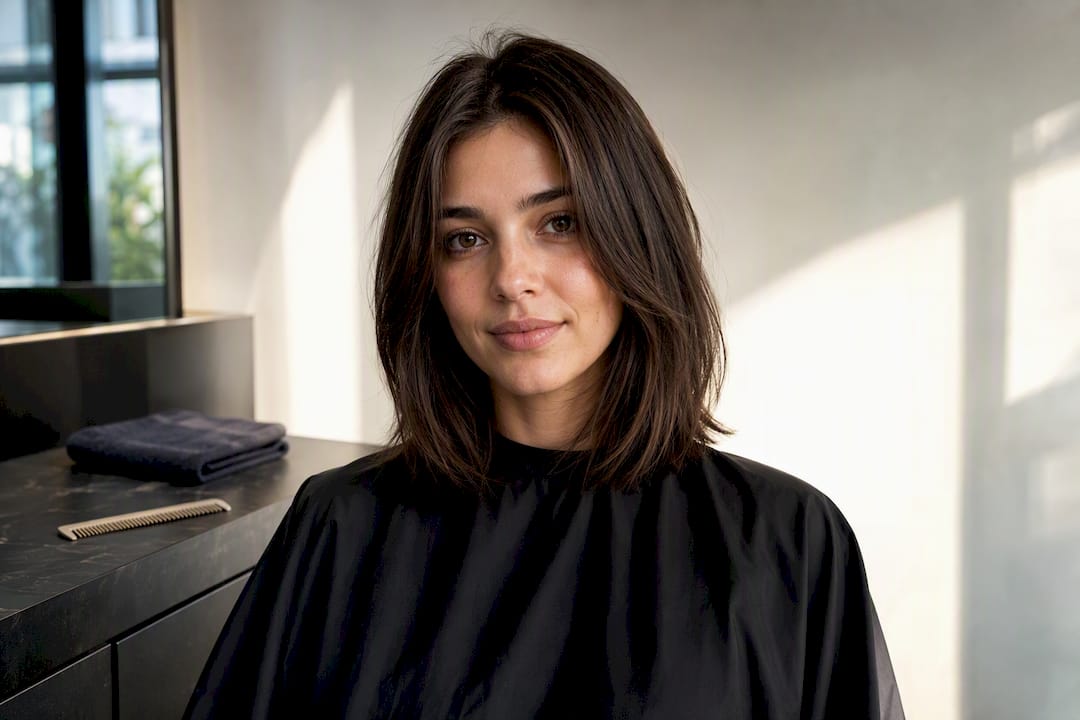
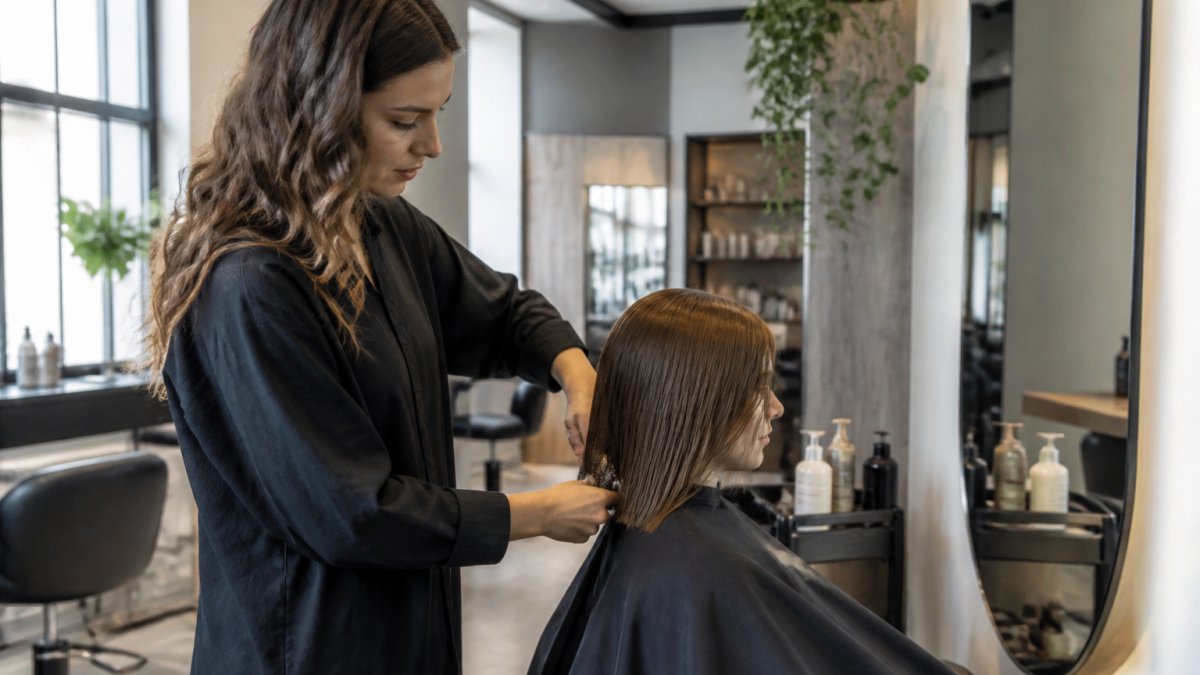
The lob remains the year’s most requested in-between length, but it’s arrived in updated forms. The flippy lob keeps a light perimeter with softly flicked ends, while the blunt collarbone lob trades flick for a cleaner, more graphic finish. A point-cut variant sits between the two, adding texture at the ends without a full flip.
What separates these from older bob shapes is invisible layering. Internal layers removed from underneath the top layer cut down on bulk while leaving the outer edge looking blunt and deliberate.
Flippy lob suits fine to medium hair wanting the illusion of thickness
Blunt collarbone lob suits thicker hair that holds a clean line naturally
Volume comes from a round brush blow-dry at the roots, not product alone
Grow-out is forgiving. Most lobs still look styled at 8 to 10 weeks past the cut
'90s supermodel cut and long layered shapes: movement with density
Long layers are back, and they look nothing like the choppy, over-thinned versions from a decade ago. The '90s supermodel cut works from the cheekbone downward, stylists reporting a return to longer, layered shapes designed to grow out gracefully rather than needing constant precision trims.
The technique matters more than the length. Cutters preserve a blunt perimeter while point cutting the face frame and slide-cutting the interior under controlled tension, reserving razor work only where real weight needs removing.
Fine hair does better with fewer, more subtle layers to avoid looking stringy
Thick hair can handle more aggressive layering without losing density on top
Ask for “long layers with a blunt perimeter, texturised only at the interior”
A round-brush blowout gives the salon-fresh bounce; upkeep sits around 10 to 14 weeks
Grown-out pixie and cropped variants: cropped looks that keep styling options
The bixie, a hybrid between a bob and a pixie, has overtaken the tight, all-over crop as the crop shape of choice. It keeps enough length on top to push around with fingers or a diffuser, which makes it considerably lower fuss day to day than a traditional pixie ever was.
Fine to medium density hair suits this shape best, since a bixie relies on the illusion of texture rather than raw volume.
Use a matte cream or light pomade at the roots for lift without weight
A diffuser attachment speeds up styling and enhances natural texture
Trim monthly to keep the shape defined and avoid awkward growth stages.
Ask your stylist about a soft, disconnected fringe to extend the style between trims
Bangs and fringes in 2026: curtain, cloud, baby and side fringes
Fringes are having a genuine moment, and Vogue’s trend reporting flags a resurgence of side fringes alongside the graduated bob as part of the year’s polished-but-undone mood. Curtain fringes, parted and swept to each side, flatter almost every face shape and blend easily into longer layers. Cloud fringes are wispier and rounder, suiting softer, rounder faces particularly well. Baby bangs sit shortest and boldest, best reserved for those happy with daily styling commitment. Side fringes offer the gentlest entry point for anyone unsure about full bangs.
Curtain and cloud fringes benefit from regular trims every month or so to stay blended.
Baby bangs require more frequent maintenance, typically about once a month.
Use a small round brush and low heat to combat humidity frizz
Choose blended fringes for low commitment, bold baby bangs for a statement
Pro Tip: Ask for your fringe cut dry, not wet. Hair often springs up shorter once it dries, especially with any natural wave.
Colour directions that pair with 2026 cuts
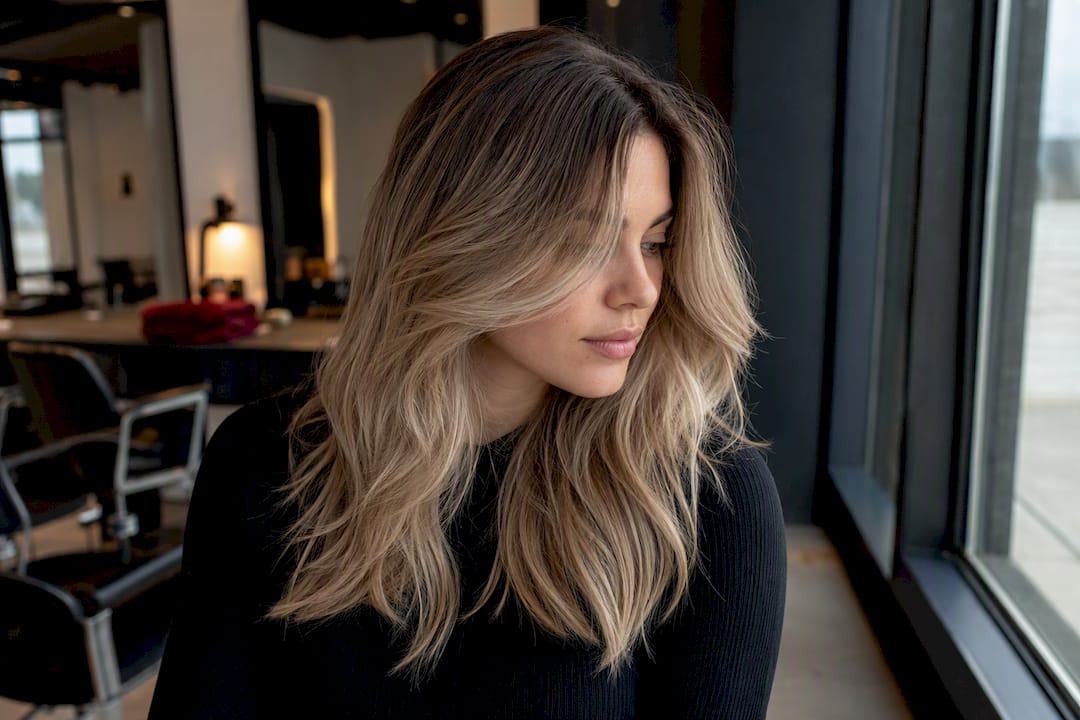
Colour in 2026 leans warm and understated rather than high contrast. Mushroom and muted blonde tones dominate, alongside warm amber highlights and subtle pastels designed for seamless grow-out. These shades work because they’re forgiving. Roots blend rather than announce themselves, which matters enormously when you’re also trying to stretch time between cuts.
Lifting hair several levels lighter for a mushroom blonde takes longer in the chair and usually needs a toning follow-up appointment within 6 to 8 weeks. If that timeline doesn’t suit your schedule, warm amber or caramel tones lift less and hold their depth longer.
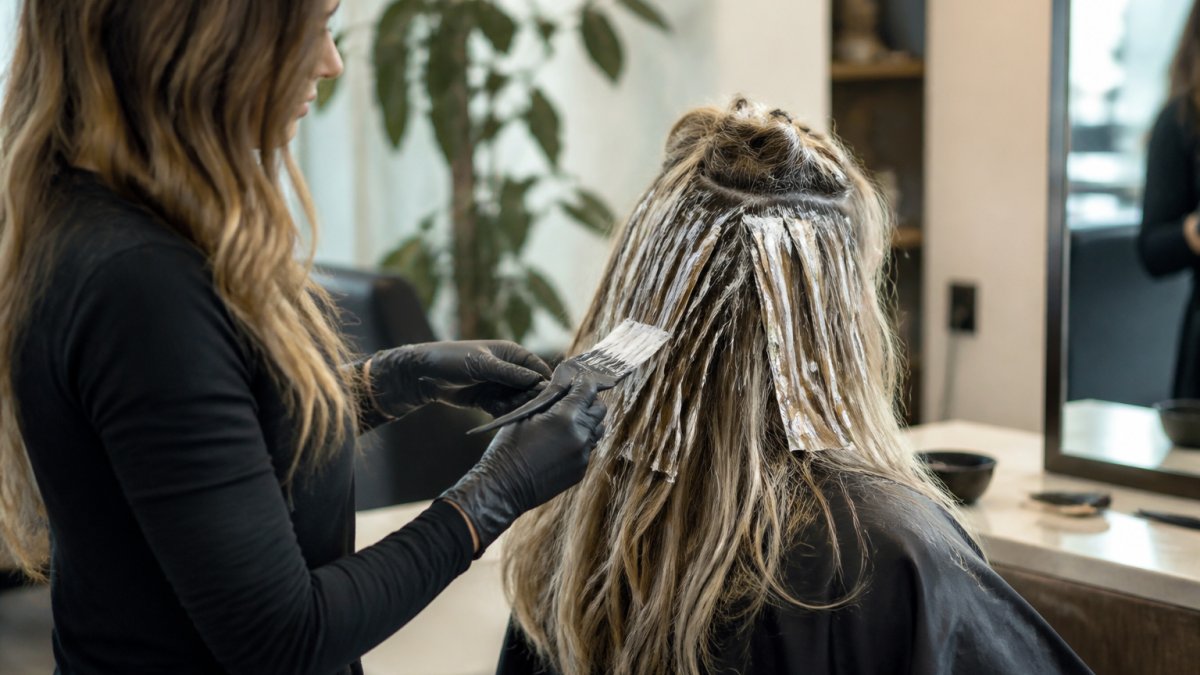
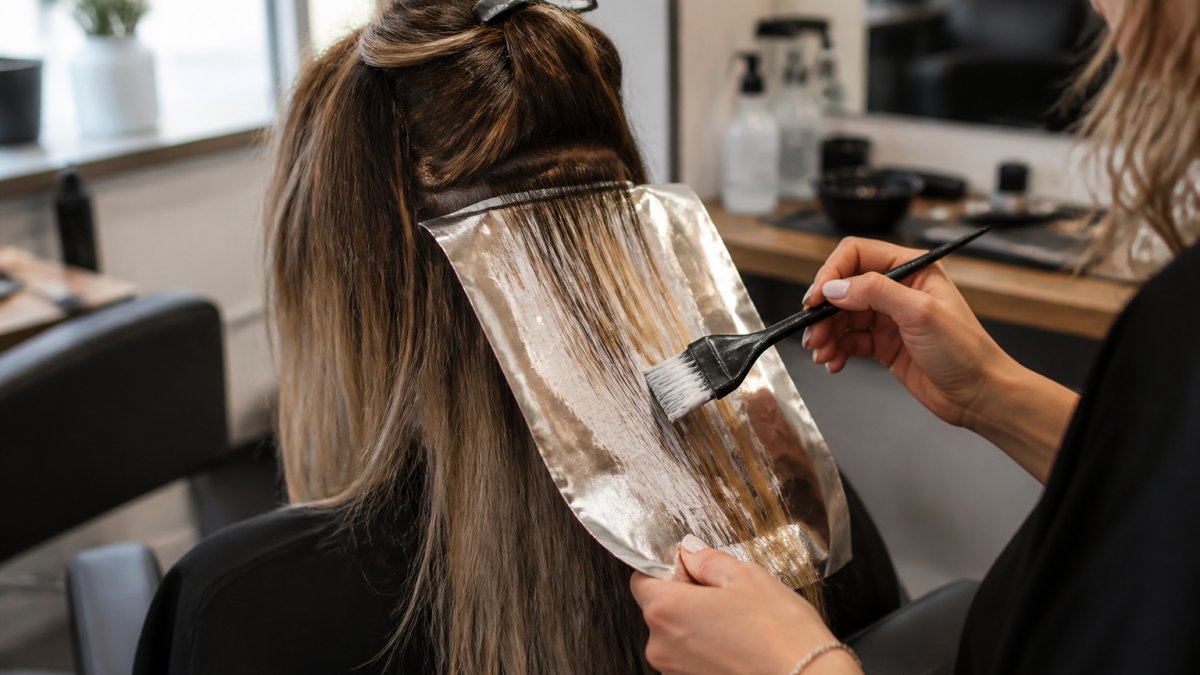
Ask for “blended roots and soft balayage ribbons” rather than full foil highlights to cut down on visible regrowth
Mushroom blonde suits cooler skin tones and pairs well with the Modern Shag
Amber and caramel tones suit warmer skin tones and work beautifully on long layers
Soft pastels work best as low-saturation glazes rather than full-strength colour
Styling, tools and upkeep: make 2026 trends work at home
Getting a salon-fresh shape to behave at home comes down to two routines, depending on the finish you’re after.
Textured, air-dry finish: apply a lightweight sea-salt or texturising spray to damp hair, scrunch upward, then leave to air-dry or finish with a diffuser on low heat.
Sleek, blow-dried finish: apply a heat protectant, blow-dry with a round brush working section by section, then set with a low-temperature straightener for a polished edge.
A diffuser attachment suits textured cuts like the shag and the bixie. A round brush and low-temperature straightener suit lobs, bobs and long layers where a smooth line matters more.
Grow-out planning matters as much as the cut itself. Shorter shapes like the grown-out pixie need clean-ups every 4 to 6 weeks, while texture-led medium and long cuts can stretch to 8 to 12 weeks before losing their shape. Booking your next trim before you leave the salon keeps you on that schedule rather than waiting until the ends look tired.
Pro Tip: Keep a travel-size version of whatever styling cream your stylist uses on you in the chair. Matching the product at home makes the salon result far easier to recreate.
Expert view from ARQ Hair: adapting trends to individual clients
A trend name is only ever a starting point. At Arqhair, every consultation begins with face shape, hair density, and how much time a client genuinely wants to spend styling on a Tuesday morning, not just a photo pulled from a phone.
A collarbone lob gets tweaked with more or less internal layering depending on whether hair sits fine or thick. A Modern Shag request often becomes a cut-and-gloss appointment, since the shape shows best with healthy shine. A move towards mushroom blonde usually pairs with balayage rather than full foil, keeping the grow-out gentle.
Cut plus gloss for shag and layered looks needing extra shine
Balayage plus cut for anyone chasing mushroom blonde or amber tones with low upkeep
Precision cut consultations that map a trend onto your actual density and texture, not a template
Experienced colour experts and a long-standing family-run approach sit behind every one of these calls.
Sustainability aspects and eco-friendly haircutting practices gaining importance
Sustainability has moved from a nice-to-have to a genuine factor in how clients choose a salon and how stylists approach a cut. Part of this comes directly from the trends themselves. A haircut designed to grow out gracefully needs fewer visits per year, which means less water, less product, and less energy spent on styling tools over time. The low-maintenance shapes dominating 2026, from the collarbone lob to the long-layered supermodel cut, are inadvertently some of the most sustainable options simply because they ask less of the client between appointments.
Colour choices follow the same logic. Blended, root-smudged colour techniques reduce the frequency of lightening appointments compared with traditional full-head foils, cutting down on the bleach, developer, and foil waste that comes with more frequent, higher-maintenance colour work. Salons are increasingly pairing this with practical changes behind the chair: recycling foil and colour tubes, switching to cruelty-free and lower-waste product lines, and reducing single-use plastic in gowns and capes.
Water use matters too. Shorter, more efficient rinse-out times and low-flow basin fittings are becoming standard in salons that take this seriously, rather than an afterthought. None of this changes the artistry of a cut or colour service, but it does change what happens around it. Choosing a longer-lasting, lower-maintenance style is one of the more effective ways a client can reduce their personal footprint from hair care, simply by needing the salon less often without sacrificing how the style looks day to day.
Emerging technologies in haircutting: AI consultations and virtual try-ons
Consultation technology has caught up with how people actually shop for a haircut, which usually starts with a saved photo rather than a spoken description. Virtual try-on tools let clients upload a photo and preview a fringe, a lob, or a colour change before a single strand gets cut, which cuts down on the mismatch between expectation and result that used to cause the most consultation frustration.
AI-assisted colour matching is following a similar path, helping colourists map a client’s natural base against a target shade like mushroom blonde or warm amber before mixing formula. This doesn’t replace a colourist’s eye. It shortens the guesswork phase, particularly useful for a client trying to describe a tone they’ve only seen on someone else’s hair.
Booking systems have also become more precise, with online consultation forms now asking about hair density, texture, and lifestyle before the client even sits in the chair. That front-loaded detail means less time in the appointment spent on discovery and more time on the actual cut or colour work. None of these tools change what a skilled stylist brings to a consultation, but they do mean a first appointment increasingly starts with better information than a single reference photo ever provided alone.
A stylist’s note on getting trends right
A client came in last month with a saved photo of a blunt, waist-length supermodel cut, hair that clearly belonged to someone with twice her density. Ten minutes of honest conversation about her actual texture got her to a shape that gave the same movement without the thin, stringy ends the original photo would have produced on her hair.
That’s the real skill in translating a trend: knowing which parts of a reference photo are the haircut and which parts are simply someone else’s hair doing what it naturally does. Set that expectation early in a consultation, and the result stops feeling like a compromise.
— RICARDO
Book your 2026 look with a professional hair salon
A professional salon turns a saved photo into a shape that actually suits your density, texture and daily routine, rather than a copy-paste version of someone else’s hair.
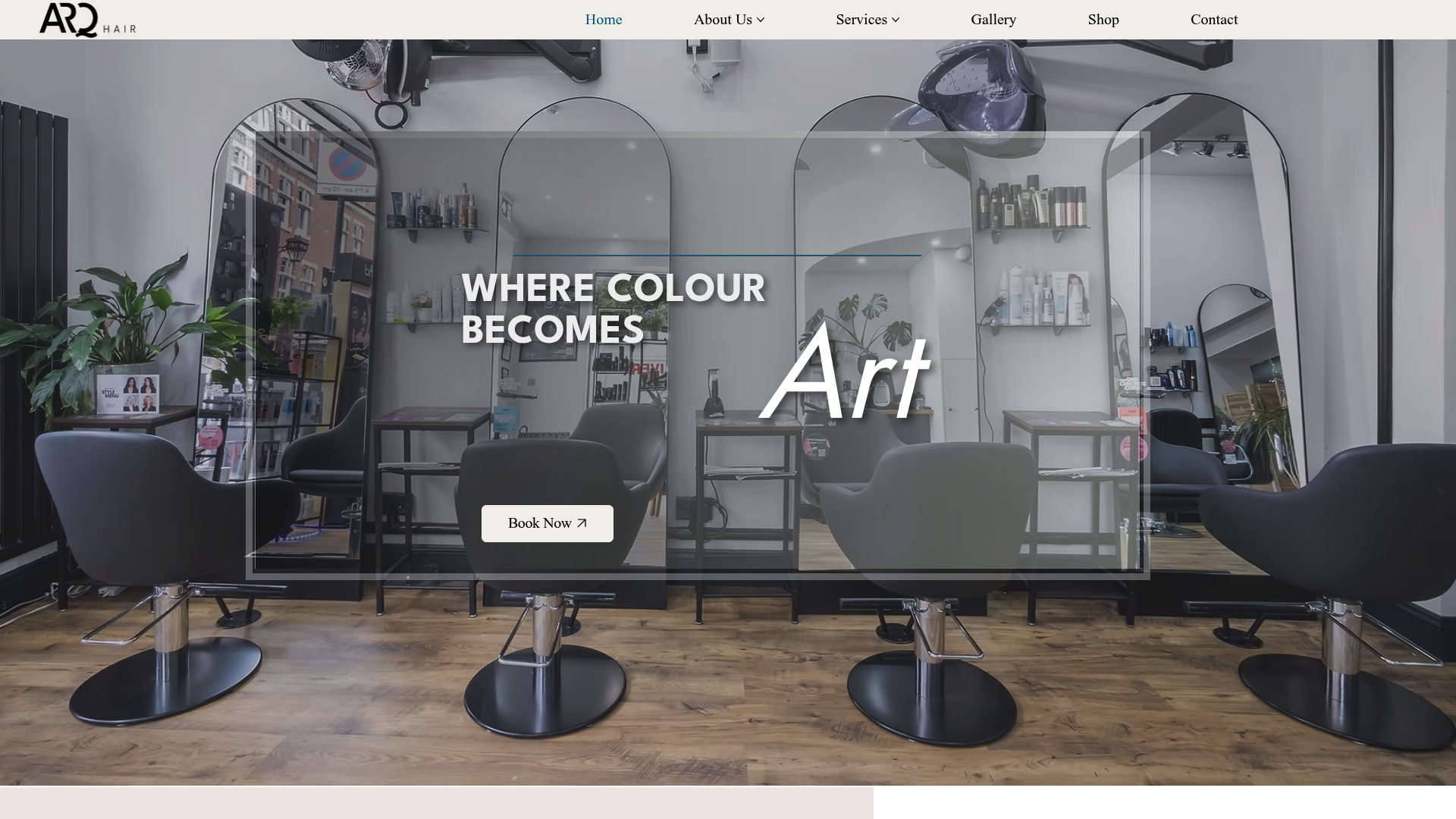
Whether you’re after the Modern Shag’s face-framing texture, a collarbone lob with invisible internal layers, or a mushroom blonde balayage that grows out without a hard line, the team maps each look to what your hair can realistically do. A precision cut and styling consultation starts with exactly the honest conversation described above, and bespoke balayage and highlights work is built around low-maintenance colour that suits the grow-out-friendly cuts defining this year. Browse recent transformations in the gallery for a sense of how these trends translate onto real clients, then book a consultation to get your own version of the look, not just the photo you saved.
Sources
Recommended
Comments