
How Often Should You Get Highlights: A 2026 Guide

Last Updated: October 23, 2026
Quick Summary
How often should you get highlights depends on your hair type, highlight style, and maintenance routine, but most people refresh their highlights every 4 to 8 weeks. Balayage and hand-painted highlights can stretch to 8 to 12 weeks between appointments, whilst full highlights typically need refreshing every 4 to 6 weeks.
Fine hair shows regrowth faster than thick hair and may need touch-ups every 4 to 6 weeks.
Balayage blends with regrowth and allows 8 to 12 weeks between appointments.
Colour fades noticeably after 4 to 8 weeks due to washing, heat styling, and sun exposure.
Washing 2 to 3 times per week and using colour-safe products extends highlight longevity.
Partial highlights need refreshing every 8 to 10 weeks and are gentler on hair than full coverage.
Table of Contents
How Often Should You Get Highlights: The Basics
Factors That Determine Your Highlight Refresh Schedule
Hair Type and Texture
Desired Look and Placement
Scalp Sensitivity and Hair Health
How Long Do Highlights Last Before Fading
Partial Highlights Maintenance: Timing and Upkeep
Full Highlights Maintenance: What to Expect
How to Maintain Highlighted Hair Between Appointments
At-Home Care Essentials
Products and Techniques That Protect Colour
Signs Your Highlights Need Refreshing
Protecting Your Hair Health with Regular Highlights
Frequently Asked Questions
How Often Should You Get Highlights: The Basics
How often should you get highlights depends on several factors unique to your hair and lifestyle. Most people refresh their highlights every 4 to 8 weeks, but this varies based on your hair type, the style of highlights you choose, and how well you maintain them between appointments.
The key is understanding what happens to your hair after highlights are applied. Colour fades over time as you wash, style, and expose your hair to sunlight. Regrowth also becomes visible as your natural hair grows out from the roots.
Think of highlight maintenance like caring for a garden. You need regular upkeep to keep everything looking its best. Skip maintenance, and the results fade fast. Overdo it, and you risk damaging the foundation. The sweet spot is finding a rhythm that suits your hair's health and your lifestyle.
Factors That Determine Your Highlight Refresh Schedule
Your ideal highlight refresh schedule isn't one-size-fits-all. Several personal factors shape how often you should visit the salon.
Hair Type and Texture
Different hair types hold colour differently. Fine hair tends to show regrowth and fading faster than thick, coarse hair. Curly and textured hair often retains colour better because the curl pattern helps trap pigment, but it also requires more careful maintenance.
Porous hair (hair that's been previously coloured or damaged) absorbs colour quickly but releases it just as fast. If your hair is porous, you may need touch-ups every 4 to 6 weeks. Hair that's less porous holds colour longer, allowing you to stretch appointments to 8 weeks or beyond.
At ARQ Hair, our Wella Colour Experts assess your hair's porosity and texture during your consultation. This helps us recommend the right refresh timeline for your specific hair type.
Desired Look and Placement
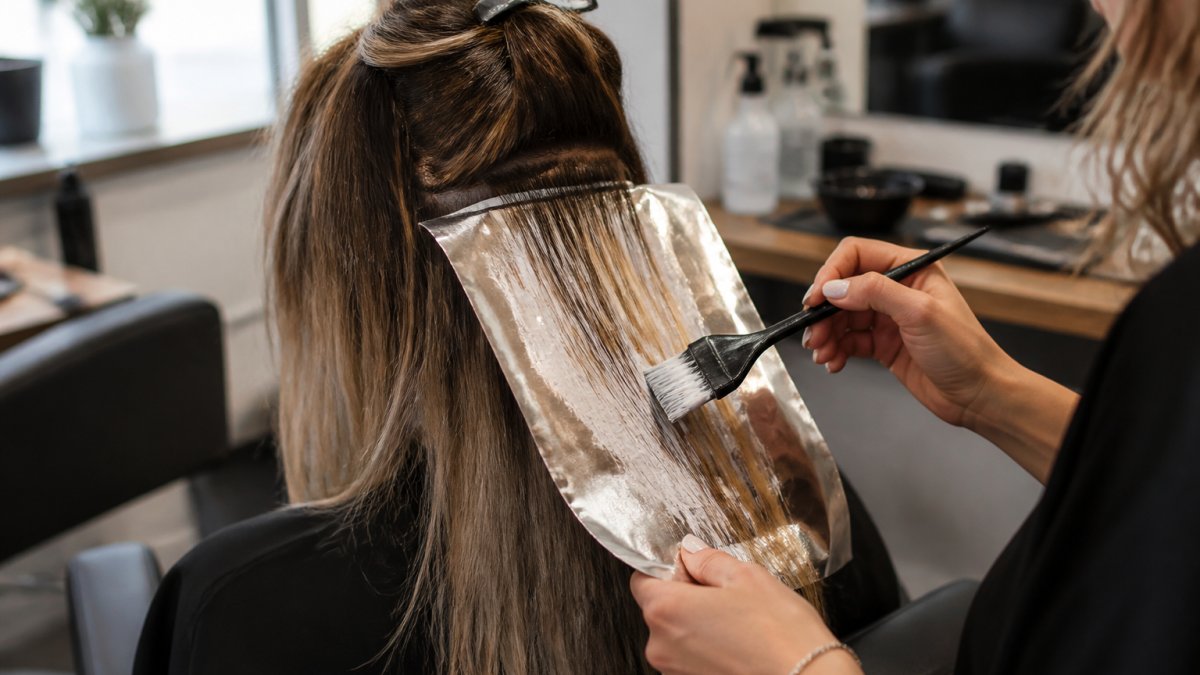
The style of highlights you choose affects how often you need maintenance. Balayage and hand-painted highlights blend seamlessly with regrowth, so you can often wait 8 to 12 weeks between appointments. These techniques are forgiving because the colour isn't placed in uniform lines.
Full highlights or foils, on the other hand, create defined colour lines that show regrowth more obviously. You'll likely need touch-ups every 4 to 6 weeks to keep the look sharp and intentional.
Rooted or shadow-root styles (where darker colour is intentionally left at the roots) are designed to mask regrowth. These can go 10 to 12 weeks between appointments because the contrast is part of the design.
Scalp Sensitivity and Hair Health
Your scalp's sensitivity matters. If you have a sensitive scalp or have experienced reactions to colour treatments before, frequent highlights can cause irritation and damage. Spacing appointments further apart gives your scalp time to recover between treatments.
This is where ammonia-free colour options become valuable. Gentler formulations allow more frequent touch-ups without the same level of irritation. ARQ Hair offers ammonia-free options specifically for clients with sensitive scalps, making it possible to maintain your look safely.
Hair health is equally important. Dry, brittle, or previously damaged hair needs longer recovery periods between colour treatments. If your hair is compromised, you might only refresh every 8 to 12 weeks, even if your style would normally need more frequent touch-ups.
How Long Do Highlights Last Before Fading
Highlights typically fade noticeably after 4 to 8 weeks, though the exact timeline depends on several factors.
Colour fades due to washing, heat styling, and sun exposure. Each wash opens the hair cuticle slightly, allowing colour molecules to escape. UV rays from sunlight break down colour pigments, which is why highlighted hair fades faster in summer (pubmed.ncbi.nlm.nih.gov).
The quality of the colour used also matters. Professional-grade colours like Wella fade more slowly than box dyes because they're formulated with better pigments and conditioning agents.
Most people start noticing fading around week 4 to 6. By week 8, the highlights have usually lost enough vibrancy that a refresh becomes necessary. However, if you use colour-protecting products and minimise heat styling, you can extend this timeline by a week or two.
Partial Highlights Maintenance: Timing and Upkeep
Partial highlights are a strategic approach to colour that can extend your refresh schedule. These highlights are placed only where they're most visible, typically around the face and through the crown.
Because partial highlights cover less hair, you can often wait 8 to 10 weeks between appointments. The untouched hair underneath blends with the faded highlights, creating a more forgiving look than full colour.
Maintenance for partial highlights is straightforward. Focus your colour-protecting routine on the highlighted sections. Use a colour-safe shampoo and conditioner, and apply heat protectant before styling. These simple steps can add weeks to the life of your highlights.
Many clients prefer partial highlights because they're gentler on the hair and more affordable than full coverage. At ARQ Hair, partial highlights are a popular choice for clients who want vibrant colour without the commitment of full-head maintenance.
Full Highlights Maintenance: What to Expect
Full highlights cover your entire head, creating a dramatic transformation. This approach requires more frequent maintenance because regrowth becomes visible across your whole head.
Expect to refresh full highlights every 4 to 6 weeks. The uniform colour lines mean that new growth at the roots is obvious and noticeable. Some clients stretch to 8 weeks, but by then the contrast between the highlighted hair and the new growth is usually significant.
Full highlights demand more rigorous at-home care. Your entire head of highlighted hair needs protection from washing, heat, and sun. The commitment is higher, but the results are striking when maintained properly.
The advantage is that full highlights create a cohesive, polished look. If you're willing to maintain them regularly, they deliver consistent, salon-fresh results. Many professionals choose full highlights for a polished, corporate-ready appearance.
How to Maintain Highlighted Hair Between Appointments
What you do between salon visits matters as much as your refresh schedule. Proper maintenance extends the life of your colour and keeps your hair healthy.

At-Home Care Essentials
Use a colour-safe shampoo and conditioner designed for treated hair. These products are gentler and help lock colour in rather than stripping it out. Wash in lukewarm water, not hot, because heat opens the hair cuticle and releases colour molecules.
Limit washing to 2 to 3 times per week if possible. Every wash fades colour slightly, so reducing frequency is one of the most effective maintenance strategies. Between washes, use dry shampoo to absorb oil and extend the time between hair washes.
Deep condition weekly. Highlighted hair is more porous and needs extra moisture. A good conditioning treatment replenishes hydration and helps colour molecules stay locked in place.
Minimise heat styling. Air-dry your hair when you can. When you do use heat, always apply a heat protectant spray first. Excessive heat styling fades colour faster and damages the hair structure.
Products and Techniques That Protect Colour
Invest in a colour-depositing conditioner or hair mask. These products add subtle colour pigment back into your hair as you condition, refreshing the tone between salon visits. Purple-toning conditioners work especially well for blonde highlights that have turned brassy.
Use a UV-protection spray before spending time outdoors. Sun exposure is one of the biggest culprits in colour fading. A UV spray creates a barrier between your hair and the sun's rays.
Avoid chlorine when possible. If you swim regularly, wet your hair with fresh water and apply conditioner before entering the pool. This reduces how much chlorine your hair absorbs. Chlorine can turn blonde highlights green, so protection is worth the effort.
Consider silk or satin pillowcases. These reduce friction as you sleep, which minimises frizz and colour disturbance. Cotton pillowcases create more friction and can contribute to colour fading over time.
Signs Your Highlights Need Refreshing
Knowing when to book your next appointment prevents your highlights from looking tired or overgrown.
Visible regrowth at the roots is the clearest sign. If you can see a distinct line of darker hair at your scalp, it's time for a refresh.
Fading and dullness indicate that your colour has lost vibrancy. If your highlights look washed out or have shifted to an undesirable tone (like blonde turning brassy or brunette turning muddy), a refresh will restore the colour.
Uneven tone across your head suggests that some areas have faded more than others. This happens naturally because some sections of hair get more sun exposure or heat styling. A professional refresh evens everything out.
Split ends and brittleness at the ends of highlighted sections mean your hair needs not just colour maintenance but also a trim. Cutting off damaged ends keeps your highlights looking fresh and healthy.
Protecting Your Hair Health with Regular Highlights
The key to maintaining beautiful highlights long-term is protecting your hair's health. Damaged hair doesn't hold colour well and looks dull even with fresh highlights.
Space out your appointments appropriately for your hair type. If your hair is fine, delicate, or previously damaged, don't rush into frequent highlights.
Use ammonia-free colour options if you have a sensitive scalp or compromised hair. These gentler formulations reduce stress on your hair and scalp while still delivering vibrant results.
Invest in professional treatments between highlights. Deep conditioning treatments, protein masks, and scalp treatments keep your hair resilient and ready for colour.
Trim your hair every 6 to 8 weeks, even if you're not getting highlights. Regular trims remove split ends and keep your hair looking polished. Healthy hair holds colour better and looks more vibrant overall.
Most importantly, work with a skilled colourist who understands your hair. At ARQ Hair, our Wella Colour Experts tailor every highlight appointment to your hair's unique needs.
The relationship between you and your colourist matters. A good colourist learns your hair over time and adjusts their approach as your hair changes.
Beautiful highlights aren't just about the initial appointment. Whether you need ammonia-free options for a sensitive scalp or professional guidance on extending your refresh schedule, our Wella Colour Experts are here to help. Book your consultation with ARQ Hair and discover how often your highlights should be refreshed for the best results.
Frequently Asked Questions
How often should you get highlights if you have sensitive scalp or ammonia allergies?
If you have a sensitive scalp or ammonia allergies, discuss ammonia-free highlight options with your colourist. These gentler formulations allow you to maintain your highlights on a similar schedule, typically 8-12 weeks for partial highlights or 10-14 weeks for full highlights, without irritation. Space appointments further apart if your scalp reacts, and always do a patch test before each appointment. Professional salons can recommend products suited to your hair and sensitivities.
How long do highlights last before they need touching up?
Highlights typically last several weeks, depending on hair type, colour choice, and how well you maintain them. Cooler tones and ash shades fade faster than warm or golden tones. Root regrowth becomes visible sooner than colour fading, usually within 4-6 weeks for darker hair. Proper maintenance, including colour-safe shampoo and heat protection, extends the life of your highlights.
Can you get highlights every six weeks without damaging your hair?
Getting highlights every six weeks is possible but risks cumulative damage, especially if you're doing full highlights each time. Partial highlights or balayage every six weeks is gentler because only some hair is processed. The key is spacing out full-head colour treatments and using nourishing treatments between appointments. A professional colourist can assess your hair's health and recommend the safest schedule for your specific hair type and goals.
What's the difference between maintaining partial and full highlights?
Partial highlights (often balayage or face-framing pieces) are gentler on your scalp and hair overall. Full highlights, which cover your entire head, require more intensive care between appointments. Both benefit from colour-safe products and minimal heat styling. Full highlights show root regrowth sooner, so some clients prefer partial highlights for a lower-maintenance look that still delivers impact.
BOOK NOW
Add arqhair.com as a preferred source on Google →

Comments