
Remove Internal Weight Without Losing Length: Haircuts for Thick Hair

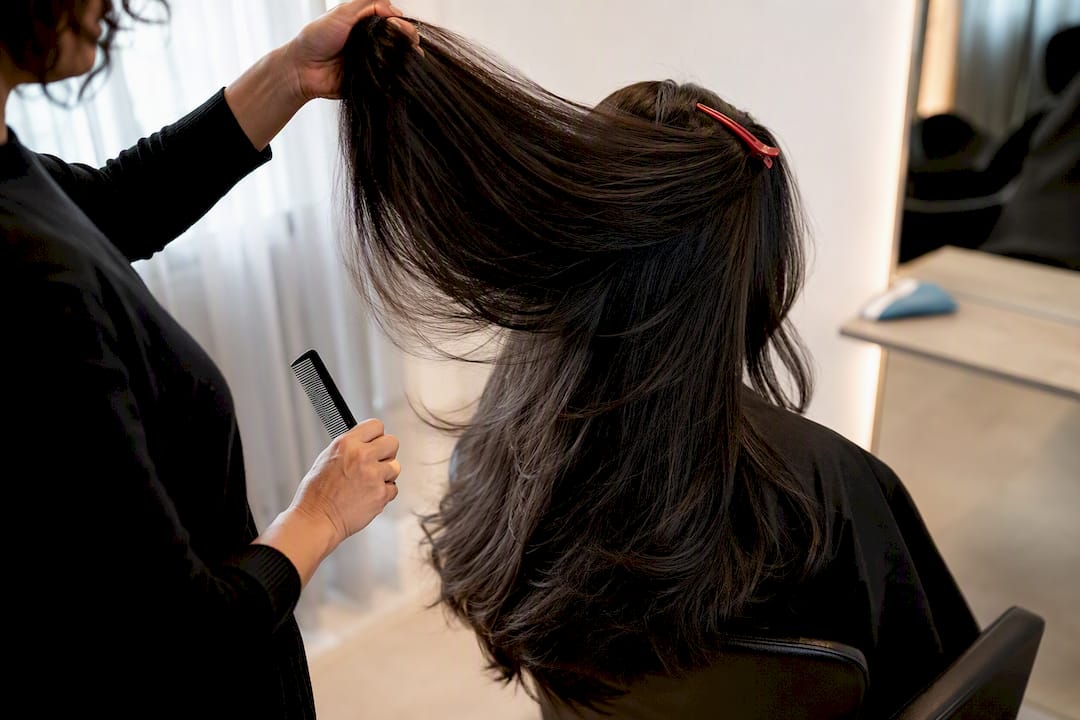
The best approach for most thick hair is to remove internal weight rather than just cut length, choosing a layered or internally-texturised shape that lets hair move instead of sitting like a helmet. Medium-length styles, such as a layered lob, tend to strike the best balance between manageability and shape. The right choice still depends on your texture, face shape and how much time you want to spend styling. Below, we break down exactly which cuts work, why, and how to brief your stylist.
TL;DR:
The most effective cuts for thick hair focus on internal layering and texturising techniques to reduce weight without sacrificing length or shape.
Techniques like slide cutting, internal layering, and graduated perimeters are preferred over overuse of thinning shears, which can cause frizz and uneven regrowth.
Trims should be scheduled every 8 to 12 weeks to maintain shape and avoid bulk buildup, especially for layered and textured styles.
Long layers, shag cuts, and layered bobs effectively break up density, promote movement, and are suitable for different hair textures and face shapes.
Proper consultation should specify layer placement, shape maintenance, product needs, and avoid aggressive thinning to ensure the cut works with the hair’s natural qualities.
Table of Contents
Best haircuts for thick hair by length
Choosing a cut for thick hair starts with deciding how much length you’re willing to trade for ease. Every option below tackles the same problem, excess bulk, but each solves it differently depending on where the weight sits and how you like to style.
1. Long layers
Long layers remove weight from the bottom two-thirds of the hair while keeping overall length intact. Stylists frequently reach for this cut first because it prevents the “triangle” effect that happens when thick hair is left one length and pushed outward at the ends. Styling is genuinely low effort: air-dry with a lightweight cream, or rough-dry with your fingers for a soft wave.
2. U-cut
A U-cut rounds the perimeter rather than cutting it straight across, softening the blunt edge that thick hair often exaggerates. It suits longer lengths where you want the illusion of a rounder face shape. Maintenance sits around every three months since the shape relies on a clean curve.
3. Butterfly cut
Built from face-framing layers around a longer base length, the butterfly cut adds movement near the crown without sacrificing length lower down. It works particularly well on straight or gently wavy thick hair, where the layering creates dimension that would otherwise look flat. Expect to use a round brush and blow-dryer to encourage the layers to fall correctly.
4. Long shag
The shag leans hard into internal texturising, with short, choppy pieces layered throughout the interior. It’s one of the most effective cuts for genuinely dense hair because it breaks up bulk from root to tip, not just at the ends. It also tends to be the most forgiving cut when you’re growing it out, since the layers disguise regrowth stages well.
5. Layered lob
The layered lob, a long bob that skims the collarbone, is the shape many stylists recommend as a starting point for thick hair because it keeps enough weight to avoid puffing out, while sitting short enough to style in minutes. It’s often described as a stylist-favoured “sweet spot” for medium-length thick hair. A tousled, air-dried finish works as well as a smooth blowout.
6. Angled bob
An angled bob, longer at the front and shorter at the back, gives the illusion of a slimmer jawline while the graduated perimeter thins out the density at the nape. This is a higher-maintenance option: because the shape relies on a precise angle, regrowth shows faster than on a rounder cut.
7. Shoulder-length wolf cut
The wolf cut combines a shag’s heavy interior layering with a mullet’s shorter crown pieces. On thick hair, it removes a significant amount of bulk at the top while leaving movement through the ends, which suits people who want texture without going short. It needs texturising spray and a diffuser or round brush to look intentional rather than unruly.
8. Textured pixie
A textured pixie strips away the most weight of any option here, which makes it one of the fastest cuts to style day to day. On thick hair, the cut needs internal thinning at the crown to prevent it sitting too high or too round; without that, a pixie can look bulky rather than sleek.
9. Bixie
The bixie splits the difference between a bob and a pixie, offering slightly more length at the sides while keeping the crown short and textured. It suits wavy thick hair especially well, since the waves fill in the shorter layers rather than fighting them.
10. Stacked bob
A stacked bob builds graduated layers at the back, tapering shorter towards the nape while staying fuller through the crown. This works well for thick, straight hair that tends to flip outward at a blunt one-length cut, though it needs regular trims to keep the stacked shape crisp.
11. Layered French bob
Short, chin-length, and internally texturised throughout, the layered French bob is one of the higher-upkeep options on this list, but it removes an enormous amount of bulk. It suits thick hair with some natural wave or a body-boosting blow-dry, since dead-straight thick hair can make the shape look heavier than intended.
Why thick hair needs specific cutting approaches
Thick hair actually describes two separate things, and mixing them up is the most common reason a cut goes wrong. Strand thickness refers to the width of each individual hair, while density refers to how many strands grow per square centimetre of scalp. You can have fine strands packed at high density, or genuinely thick strands at moderate density, and each needs a different cutting strategy.
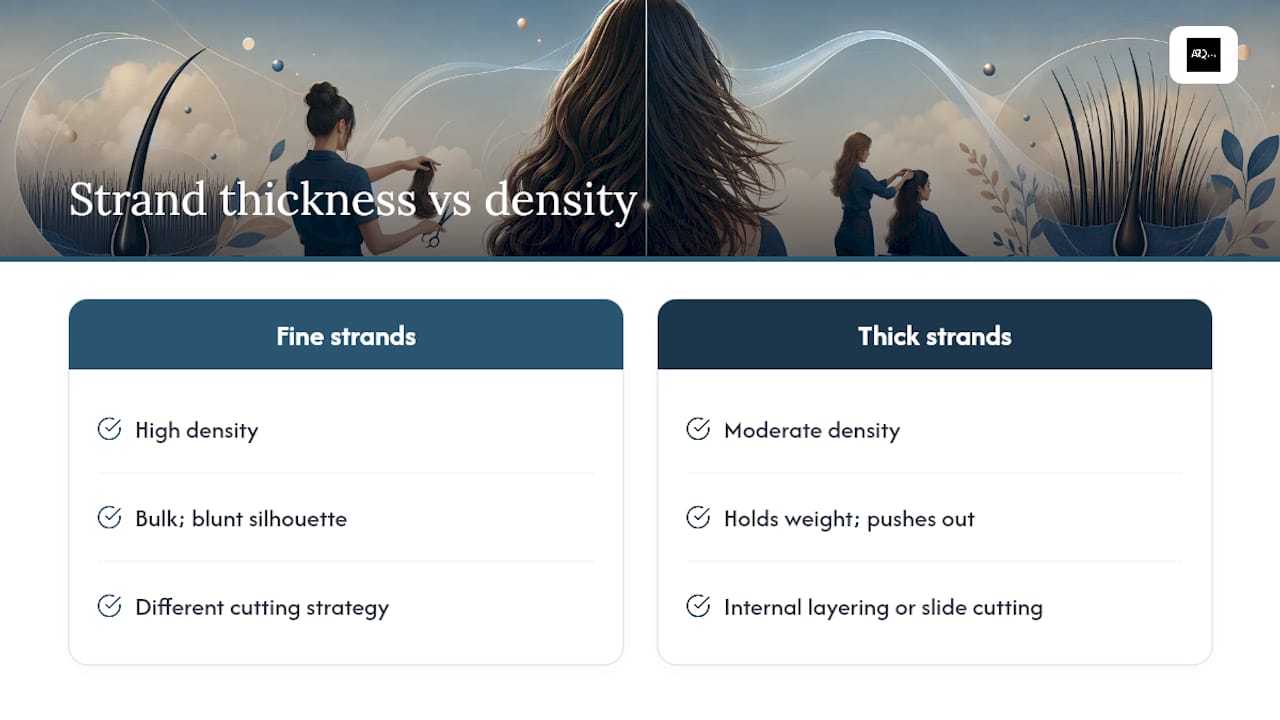
What both share is the tendency to hold weight. Left at one length, thick hair doesn’t hang; it pushes outward, creating the blunt, triangular silhouette that makes a cut look bigger rather than more shaped. That’s the flattening effect stylists are working against: too much unbroken weight along the perimeter stops hair from moving naturally, no matter how good the blow-dry.
The fix isn’t shorter hair, it’s less weight in the right places. Stylists consistently point to removing internal weight, through internal layering or slide cutting, rather than simply trimming length, as the actual objective when cutting thick hair. Length can stay exactly where you want it. What changes is how much hair sits underneath it, which is what lets a long layer, a shag, or a lob move instead of block.
Cutting techniques that actually thin thick hair properly
Knowing the vocabulary here means you can brief a stylist precisely instead of hoping they read your mind. A handful of techniques do most of the heavy lifting on thick hair:
Internal layering cuts shorter pieces underneath the surface layer, so the visible length stays intact while bulk disappears from within.
Slide cutting (or “point cutting”) uses the scissors at an angle, sliding down the hair shaft to remove weight gradually rather than in one blunt line.
Manual debulking is a broader term for any technique that physically removes hair volume by hand rather than with thinning shears.
V-cuts and U-cuts shape the perimeter into a curve or point instead of a straight line, which softens how the ends sit.
Graduated perimeters step the length gradually from short to long (or vice versa), avoiding one heavy horizontal line.
Thinning shears have a place, but overused they cause more problems than they solve. Overuse of thinning shears can leave hair with irregular, wiry regrowth and increased frizz, which is exactly why many stylists prefer slide cutting or manual debulking on dense hair instead.
Texture also dictates technique. Straight thick hair generally handles heavier internal layering well, since there’s no curl pattern to disguise a mistake. Wavy hair benefits from slide cutting, which respects the natural bend rather than cutting against it. Curly thick hair usually needs the least aggressive thinning of the three, since curl shrinkage already reduces visual bulk, and over-thinning can leave frizzy, disconnected pieces.
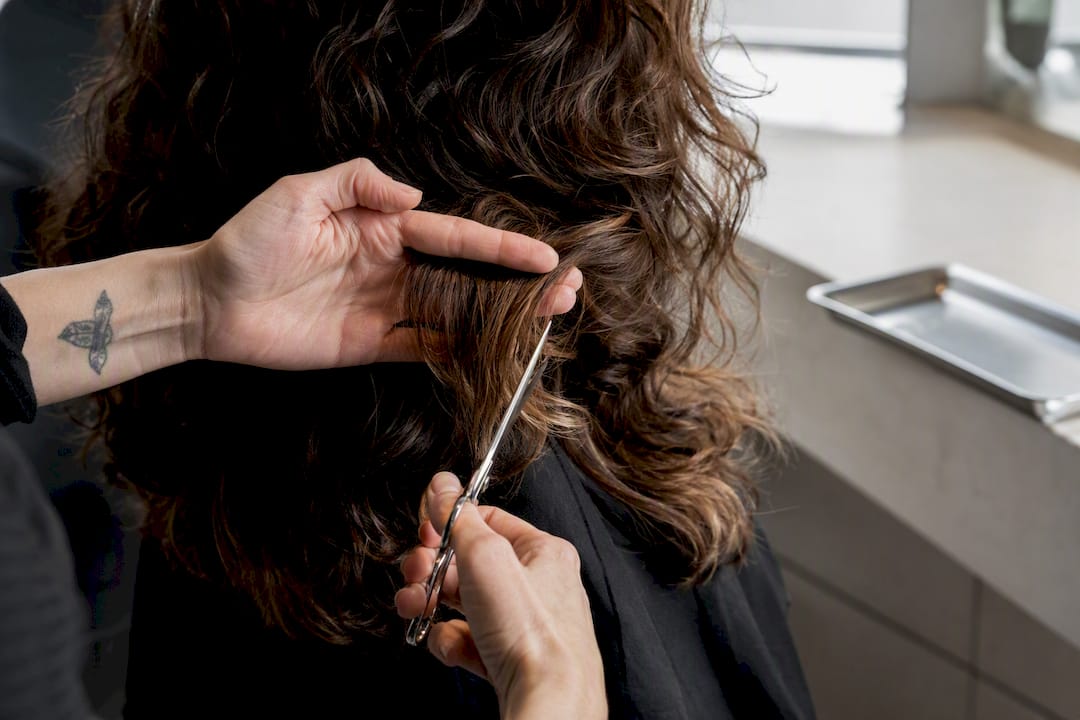
Pro Tip: Ask your stylist to cut curly or wavy thick hair dry, or at least check the shape dry before you leave. Curl pattern changes what a layer looks like once it springs back, and a cut that looks perfect wet can shift completely once it dries.
Styling and maintenance for thick hair
A great cut only stays great with the right washday routine. Pro stylists generally recommend a hydration-first approach, hydrating shampoo, a rich conditioner, and detangling with a wide-tooth comb while hair is still wet, since thick hair tears less when it’s slippery and saturated rather than dry.
Product layering matters more for thick hair than most other textures, largely because thick strands can carry richer formulas without weighing down.
Leave-in conditioner: applied to mid-lengths and ends, this keeps hair workable through the drying process.
Smoothing serum: a small amount on the surface controls frizz without flattening the internal layers you just paid for.
Lightweight texturising spray: builds separation in shags, wolf cuts and layered bobs without adding grease.
Heat protectant: non-negotiable before any hot tool, especially on hair that already takes longer to dry.
For drying, section the hair first rather than attacking it all at once. Start from slightly damp rather than soaking wet, and apply styling cream and heat protectant before you begin blow-drying, since pre-treating the hair this way tends to hold the finished shape longer. A round brush smooths and adds shine on straighter cuts, while a diffuser attachment protects curl pattern on wavy or curly thick hair.
Trims every 8 to 12 weeks keep layered shapes from growing heavy and losing definition, a cadence stylists widely recommend for maintaining layered cuts on thick hair. Skip trims much beyond that window and even a well-cut shag starts to look like an undifferentiated block again. For richer at-home care between salon visits, a few simple hair maintenance habits go a long way towards keeping colour and shape looking fresh.
Your salon appointment checklist for thick hair
Walking in prepared turns a generic cut into one that’s actually built for your hair. Bring these points with you:
Ask directly where the layers will be placed — interior versus exterior changes the whole silhouette, so get specific rather than saying “some layers, please.”
Bring two or three reference photos, ideally of hair with a similar texture to yours, and describe how much time you actually spend styling on a normal day.
Ask how the cut will grow out so you know whether you’re looking at an 8 week or a 16 week commitment before it loses shape.
Watch for red flags: heavy, indiscriminate use of thinning shears across the whole head, a blunt one-length cut with no interior texturising on genuinely dense hair, or a stylist who brushes off questions about maintenance.
Ask for product recommendations or samples before you leave, so your first wash at home matches what was used in the chair.
ARQ Hair’s approach to cutting thick hair
At Arqhair, every thick hair consultation starts with a proper diagnostic: strand thickness, density, growth pattern and how much styling time you realistically have. That’s what decides whether long layers, a layered lob or a shag is the right route, not a generic length preference. Backed by three decades of family-run craftsmanship and a team of Wella Colour Experts, the consultation covers shape, growth plan and product needs together. A wavy, dense client wanting to keep length, for instance, would typically be shown a long-layer plan with slide-cut interior work to release weight without losing the length she came in for.
A stylist’s perspective: thick hair is an advantage, not a problem
Thick hair holds colour longer, resists thinning with age, and gives a cut real longevity between trims once it’s shaped properly. The complaints usually trace back to a cut fighting the density rather than working with it. Try this at home: air-dry with a leave-in and a light texturiser instead of reaching for the brush, and watch what the hair actually wants to do.
— RICARDO
Book a cut designed around your hair, not against it
This salon takes a thorough approach for thick hair consultations, mapping where weight sits and choosing suitable techniques like internal layering, slide cutting, or a graduated perimeter to help the hair move.
A consultation at this salon includes a full shape plan, maintenance advice for your hair density, and customized product recommendations. Their team also handles colour and balayage if you’re considering a change alongside your cut, or smoothing and texture work if frizz is part of the problem. Ready to see what your hair looks like properly shaped? Book a cutting and styling appointment and bring your reference photos along.
Sources
FAQ
Which haircut is best for thick hair?
Long layers or a layered lob tend to work best for most people, since both remove internal weight while keeping the hair manageable to style day to day.
What are good haircuts for very thick hair?
A long shag, wolf cut, or layered French bob suit very thick hair well, as all three rely on heavy internal texturising rather than length alone to control bulk.
Should thick hair be cut in layers?
Yes, in most cases. Layers, especially internal ones, break up density so hair moves instead of sitting in a heavy block, though a stylist should place them based on your specific texture and growth pattern.
How often should thick hair be trimmed?
Roughly every 8 to 12 weeks for layered cuts, since layered shapes lose definition and start looking heavy once they grow past that window.
Is thinning thick hair with shears a good idea?
Used sparingly, thinning shears can help, but overuse tends to create wiry regrowth and frizz. Slide cutting and manual debulking are generally the safer choice for genuinely dense hair.
Recommended
Comments