
How to Choose Babylights for Warm Skin Tones

Last Updated: November 2, 2026
Quick Summary
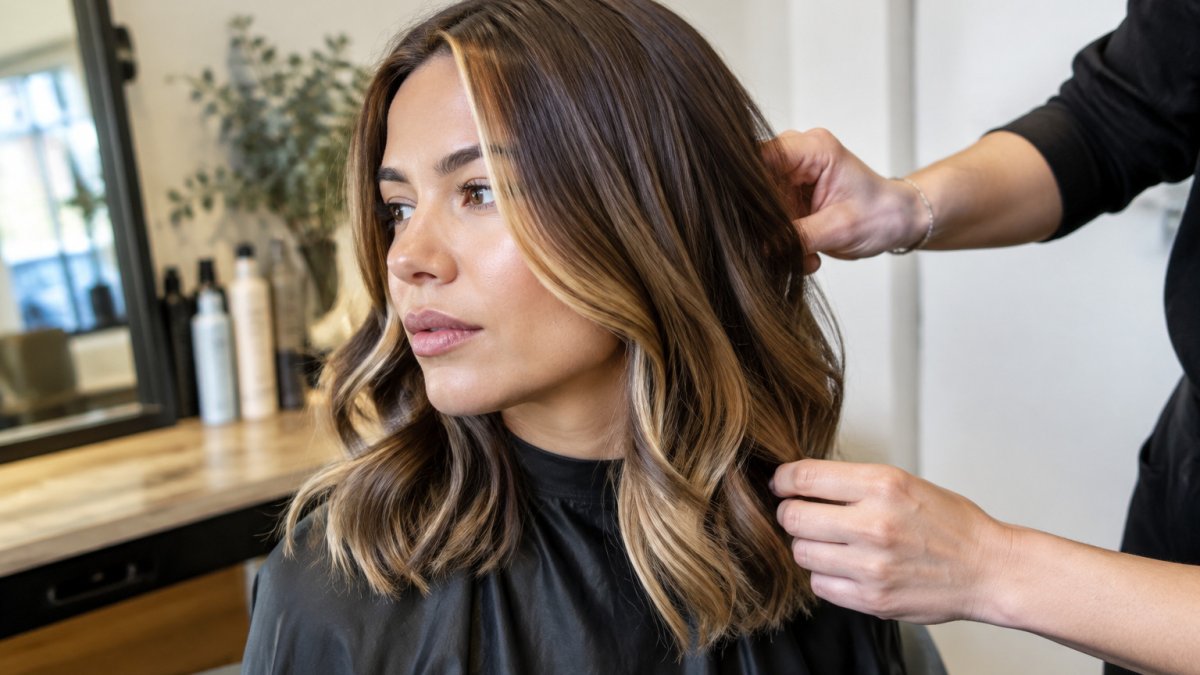
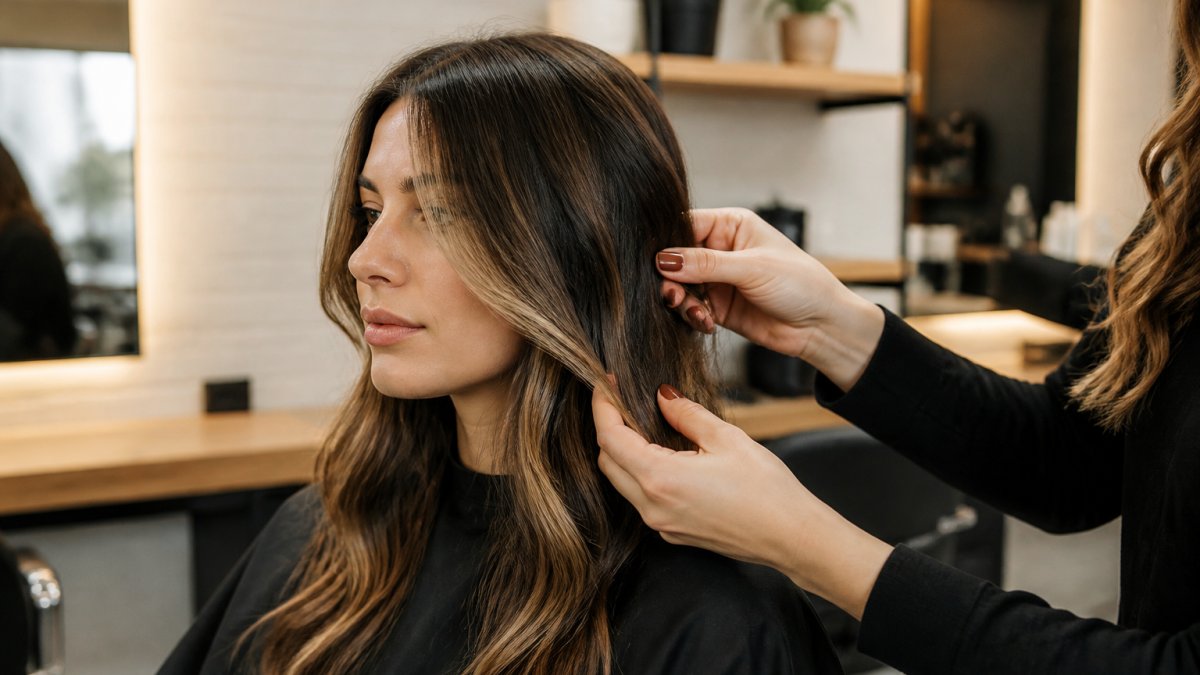
Babylights for warm skin tones should lean towards honey, caramel and golden shades rather than cool ash tones, which can make a warm complexion look grey. Keep the placement fine and close to the face so the highlights frame your natural base softly.
Check your undertone by looking at the veins on your inner wrist in daylight.
Greenish veins usually point to a warm undertone; blue or purple veins point to a cool one.
Honey suits fair to light-medium warm skin, caramel suits medium and olive, golden suits lighter hair.
Babylights often frame the face more subtly than balayage, which suits warm complexions well.
Use a purple or blue toning shampoo once or twice a week to control brassiness.
Table of Contents
Why Warm Undertones Need a Different Approach to Babylights
Babylights for warm skin tones are fine, soft highlights placed close to the head, and babylights for warm complexions suit it better than most people expect. A common mistake is choosing a cool ash shade because it looks fashionable on a magazine model, then wondering why the face looks drained within weeks.
Warm undertones pick up golden, honey and copper tones naturally. A cool, ashy highlight sits against that warmth and can make skin look grey or tired. Warm-toned babylights work with the skin rather than against it. Because the same golden warmth can flatter both hair and complexion, it can also help you choose lipstick for skin tone.
Here is the core idea for the rest of this guide:
Match the highlight to your undertone, not to a trend photo
Keep the tones close to your natural base for a soft finish
Treat maintenance as part of the colour, not an afterthought
The British Association of Hairdressers guidance on colour and skin also stresses patch testing and client consultation before any colour service, which matters for sensitive scalps.
How to Tell If You Have a Warm Skin Undertone
Look at the veins on your inner wrist in natural daylight. Greenish veins usually point to a warm undertone, while blue or purple veins point to a cool one.
Other quick checks help too:
Jewellery: gold tends to flatter warm skin, silver tends to flatter cool skin
Sun response: warm skin often tans easily and golden, cool skin often burns
White fabric: cream looks softer on warm skin, bright white can look harsh
Some people sit in the neutral middle, and that is fine. Neutral skin can wear both warm and cool tones, so choose by the shade you love most.
The Best Highlights for Warm Skin Tones: Honey, Caramel and Golden Shades
Honey, caramel and golden babylights are the classic choices for warm skin. They add light and movement without looking stripy or harsh.

Honey: a light, sunny gold that suits fair to light-medium warm skin
Caramel: a richer, toffee-like tone that flatters medium and olive warm skin
Golden: a bright, glowing shade that works well on warm skin with lighter hair
Wella Colour expertise is available to help tailor tones so they blend with your natural base.
Ask your colourist to keep the placement fine and close to the face. Soft babylights frame the complexion, and that is the whole point.
The three classic warm shades differ mainly in depth and the skin tone they suit best.
Shade | Best for | Key difference |
Honey | Fair to light-medium warm skin | A light, sunny gold |
Caramel | Medium and olive warm skin | A richer, toffee-like tone |
Golden | Warm skin with lighter hair | A bright, glowing shade |
Babylights vs Balayage: Which Suits a Warm Complexion Better
Babylights are very fine, delicate highlights placed close to the head. Balayage is explained in more depth in The Art of Balayage guide. Balayage is a hand-painted technique that creates a softer, more graduated sweep of colour through the lengths.
For warm complexions, babylights often give a more subtle frame around the face. Balayage can suit warm skin well too, especially for longer hair that needs more dimension.
A common mistake is choosing balayage for the look and forgetting the upkeep. Both techniques need toning and regular care to stay warm, so plan the maintenance from the start.
Can Babylights Warm Up Dark Brown Hair
Yes, babylights can add warmth to dark brown hair. The key is choosing tones that sit a few shades lighter than the base, in caramel, chestnut or honey.
Darker bases can look flat when highlights are too cool. Warm-toned babylights bring back movement and a healthy glow. Do not go too light too fast, because a big jump in lightness can look harsh and need heavy maintenance.
Ask for a consultation before colour, especially if you have sensitive skin or past reactions. Gentle colour options are available for clients who are sensitive to ammonia.
Keeping Babylights Warm: Maintenance, Toning and Touch-Ups
Warm highlights can fade to brassy or dull over time. Good upkeep keeps them looking fresh.
Use a purple or blue toning shampoo once or twice a week to control unwanted brass
Use heat protection and avoid very hot water on coloured hair
Plan a root touch-up when regrowth starts to show, and compare the three root touch-up options a salon colourist recommends.
Booking Your Warm-Toned Babylights Consultation at ARQ Hair
Warm babylights are easiest to get right with a proper consultation. A consultation can look at your undertone, natural base and maintenance goals before any colour is mixed.
Ask about pre-booked appointments if your schedule is tight, and mention any sensitivity or past colour reactions when you book.
Book a consultation with ARQ Hair to find the warm tones that suit your skin and your lifestyle.
Frequently Asked Questions
What colour babylights suit warm skin tones?
Babylights in honey, caramel, golden blonde and soft copper tend to suit warm skin tones best, because these shades share the same yellow and golden base as your undertone. They blend into the hair rather than sitting on top of it, so the result looks lit from within. Your stylist will usually start with a shade one or two levels lighter than your natural colour and adjust from there. Ask for a shade that complements your skin, not one that simply looks bright in the mirror, as the right choice will flatter your complexion at every angle.
Do honey or caramel babylights suit warm undertones?
Yes. Honey and caramel are two of the most flattering choices for warm undertones because they echo the golden tones already present in your skin. Honey tends to work well on lighter brown and dark blonde bases, while caramel suits medium to darker brown hair. Both shades give dimension without looking harsh, which is why they remain popular for natural-looking, sun-kissed results. A colour consultation helps confirm the exact shade for your hair.
How do I maintain babylights without making my hair brassy?
Brassiness usually appears when lightened hair loses its cool or neutral toning and warm pigments show through. To prevent this, use a sulphate-free shampoo and a purple or blue toning conditioner once or twice a week, and limit exposure to chlorine and hard water. Ask your stylist for a gloss or toner between full appointments to refresh the tone. Keeping the shade warm rather than overly golden will also help the colour stay balanced for longer.
Are babylights or balayage better for a natural-looking result?
Babylights are generally the better choice for a subtle, natural-looking result because they use very fine sections of colour placed close to the root, creating soft, blended dimension. Balayage is hand-painted with more definition and contrast, so it can look bolder. If you want a low-maintenance, all-over glow that suits warm skin, babylights are usually the stronger option, while balayage suits anyone wanting more visible sweeps of colour.

Comments