
Why does red hair fade so fast, and how do you stop it?

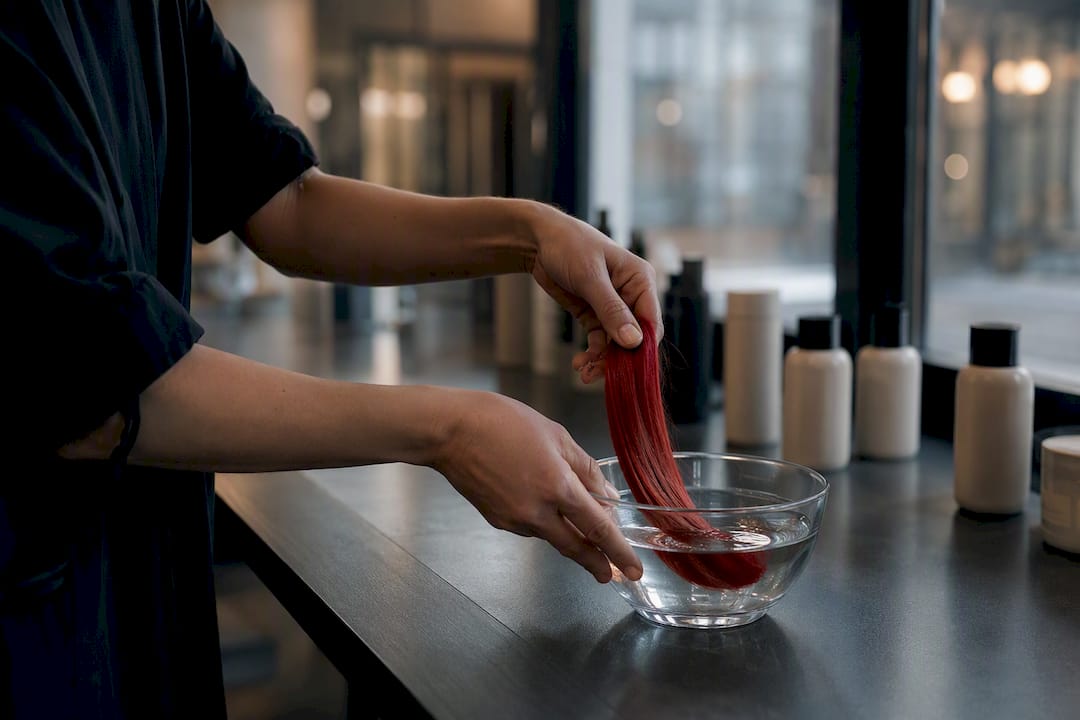
Red hair fades faster than any other shade because its pigment molecules sit closer to the hair’s surface and break down more readily under UV light. The fix isn’t complicated: wash less often, switch to sulphate-free colour-safe products, and protect your hair from sun and heat. Get those three habits right and you’ll stretch vibrancy noticeably between salon visits.
TL;DR:
Red hair fades faster because pheomelanin breaks down under UV light and dye molecules sit closer to the hair surface, making them more vulnerable.
Proper routine includes waiting 48 to 72 hours after coloring, washing every two to three days with lukewarm water, and using sulfate-free, color-safe products.
Chemical damage, porosity, and frequent heat styling accelerate fading, especially on lightened or porous hair, which requires extra care and tailored treatments.
At-home fixes like glosses and colour-depositing masks can extend vibrancy temporarily but risk uneven results on high-porosity or recently bleached hair.
Regular professional assessments and treatments, including glosses or colour boosts, better preserve red’s brightness and tone longer than home routines alone.
Table of Contents
Why red hair fading happens faster than other colours
Red is the most fragile hair colour, and that comes down to basic chemistry rather than bad luck. Whether your red is natural or from a bottle, the pigment behaves differently to browns, blacks, or blondes, and understanding why changes how you look after it.
Natural red hair gets its colour from pheomelanin, a pigment that is substantially more photolabile than eumelanin, the pigment responsible for brown and black hair. Photolabile simply means it breaks down under light more easily. UV exposure degrades pheomelanin faster than it degrades other pigments, which is why redheads often notice their colour warming, lightening, or dulling with more sun exposure than a brunette would experience in the same conditions.
Dyed red follows a similar pattern for a different reason. Red dye molecules tend to be physically larger than the molecules used in most other shades, so they struggle to penetrate deep into the hair shaft. Instead, they sit nearer the cuticle, the hair’s outer layer, where they’re far more exposed to water, shampoo, and sunlight. Every wash loosens a few more of those pigment molecules, and every UV ray chips away at what’s left.
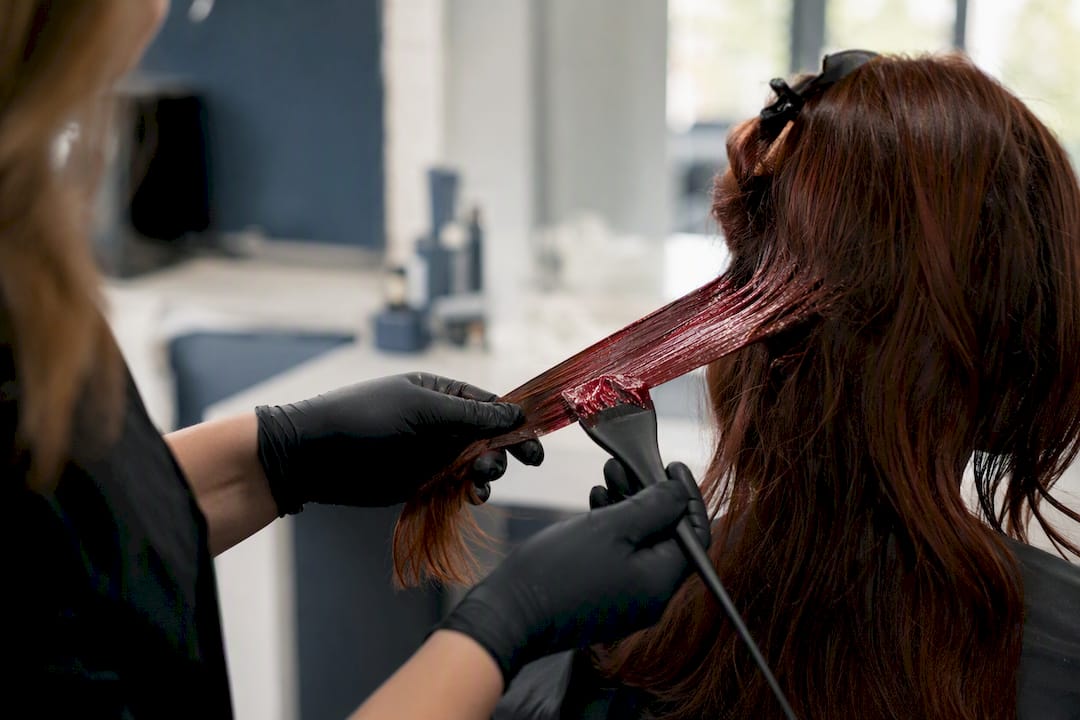
Porosity makes the whole picture more complicated. Hair that’s been lightened, chemically treated, or is naturally porous has a rougher, more open cuticle structure, so pigment escapes even faster. If you’ve gone red after bleaching, or your hair has any heat or chemical damage, expect fading to move quicker than it would on virgin, healthy strands. This is also why two people using the identical dye can get wildly different results in longevity.
How long does red hair colour actually last?
Longevity depends entirely on the type of dye and how well you look after it afterwards. Semi-permanent red typically holds for 2 to 6 weeks before it noticeably softens. Demi-permanent and permanent oxidative reds last longer, generally 4 to 8 weeks or more, though “more” assumes a genuinely careful aftercare routine.
What red fades to matters just as much as how long it lasts. Copper and auburn tones tend to slide towards orange or warm brown as the red pigment thins out. Deeper, more vivid reds often fade to a dustier pink or muted rust. Your starting base colour and porosity both influence the endpoint, which is why two clients with the “same” red can end up in different places a month later.
The variables that shorten these windows are predictable: hard water, hot showers, chlorine, sun exposure, frequent heat styling, and clarifying shampoos all strip pigment faster than the dye chemistry alone would suggest.
Building a wash-week routine that protects red
Your daily and weekly habits do more to preserve red than any single product. Get the sequence right and you slow down fading dramatically.
Wash-day structure:
Wait 48 to 72 hours after any salon colour appointment before the first wash. This gives pigment time to settle into the shaft, a standard piece of salon aftercare guidance from Wella Professionals.
Aim for washing every 2 to 3 days rather than daily. Use a dry shampoo or a gentle co-wash on the days in between.
Always rinse with lukewarm water, finishing on a cooler blast if you can stand it, since hot water opens the cuticle and accelerates colour loss.
Product choice matters as much as frequency. Stick to sulphate-free, colour-safe cleansers, and save clarifying shampoos for the rare occasion you need to strip build-up, not as a regular part of your routine. For a comprehensive approach, check out this guide to Hair Beauty Care: Build Your Best Routine Today. Stick to sulphate-free, colour-safe cleansers, and save clarifying shampoos for the rare occasion you need to strip build-up, not as a regular part of your routine.
Weekly and ongoing care:
Use a moisturising mask once a week to replace lost hydration and reduce brittleness.
Add a leave-in treatment on high-heat or high-sun days for an extra layer of protection.
Consider a low-pH colour-sealing spray in the days after colouring, which helps close the cuticle and reduce early pigment dispersal.
Limit heat styling tools and always use a heat protectant spray beforehand.
Together, these habits reflect what British Vogue’s colour-preservation guidance consistently recommends: moisture first, minimal washing, and UV awareness as the backbone of any red-hair routine. Arqhair’s guide to vibrant colour maintenance breaks down specific product categories if you want more detail on what to look for on the label.
Pro Tip: Keep a small bottle of leave-in conditioner in your gym bag or beach tote. A quick spritz before you sweat or swim does more to protect red pigment than any product applied after the damage is done.
Quick fixes between appointments: glosses and colour-depositing masks
When red starts to look tired but you’re not ready for a full salon visit, two at-home tools bridge the gap. Gloss treatments and colour-depositing masks both work by adding a thin layer of pigment back onto the hair shaft rather than re-dyeing it from scratch.
Gloss or glaze treatments refresh shine and tone, with effects lasting anywhere from a few washes to several weeks depending on the formula and how porous your hair is.
Colour-depositing masks work similarly but are usually milder, giving a temporary boost that fades gradually over roughly five to six washes.
Always patch-test on a hidden strand first. Colour-depositing masks can shift tone more than expected, especially on natural red hair or hair that’s been recently lightened.
Avoid stacking repeated deposits on high-porosity or freshly bleached hair. The pigment can build unevenly, leaving patchy or muddy results rather than a clean refresh.
Pro Tip: If your hair has been lightened in the last six weeks, book a salon touch-up instead of reaching for a home gloss. Porosity changes fast after bleach, and DIY deposits are far more likely to go patchy on that kind of hair.
Protecting red hair from sun, pool water and heat
Sun, chlorine, and styling tools are the three biggest fade accelerants, and each needs a slightly different defence.
For UV protection, use a leave-in spray containing UV filters before spending time outdoors, and don’t underestimate how much midday sun does to pheomelanin specifically. A wide-brimmed hat is a genuinely effective backup when you’re at the beach or a festival for hours.
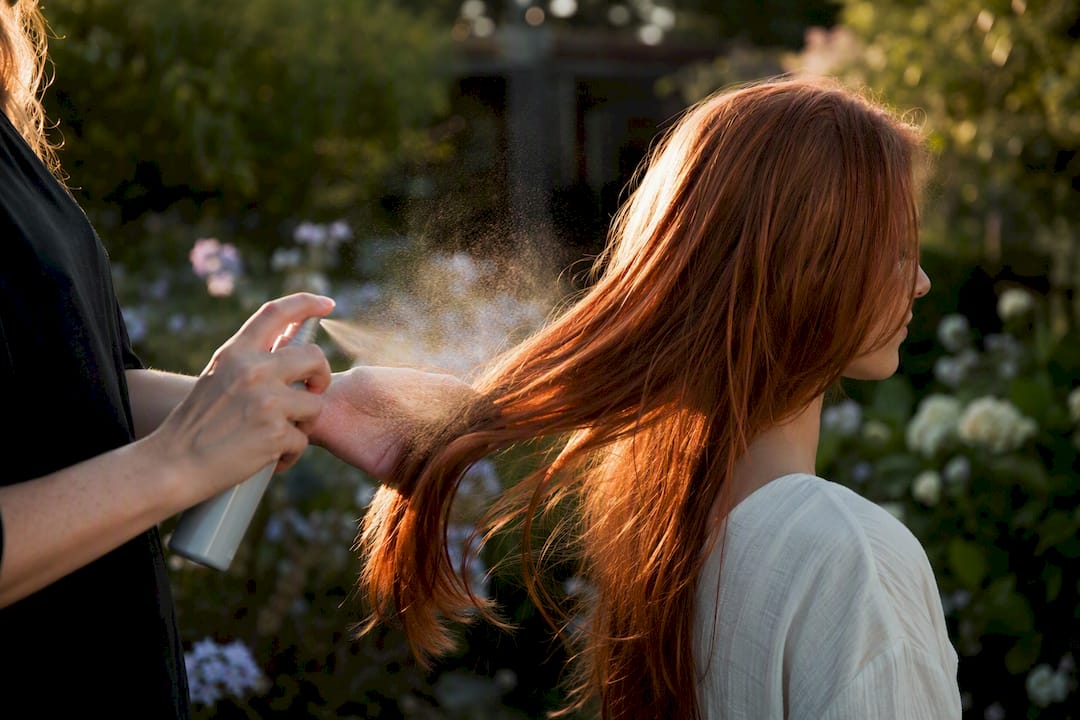
For swimming, the sequence matters. Pre-wet your hair with clean water before you get in the pool or sea, since saturated hair absorbs less chlorine or salt water than dry hair does. Apply a barrier leave-in conditioner on top, wear a swim cap where practical, and rinse thoroughly the moment you’re out.
For heat styling, keep tools on the lower end of their temperature range and limit use to two or three times a week where possible. Always apply a heat protectant first.
Leave-in UV spray before sun exposure
Pre-wet and barrier leave-in before swimming
Swim cap for pool sessions when you can manage it
Heat protectant on every single pass with straighteners or a curling wand
Pro Tip: Chlorine and hot tools are a worse combination than either alone. If you’ve been swimming, skip the straighteners that day and let hair air-dry instead.
When to book a salon appointment for red hair
Some fading is manageable at home, but there’s a point where a professional visit does far more for your colour than another mask ever will. A stylist can assess your hair’s porosity properly, something that’s genuinely hard to judge on yourself, and choose between a gloss refresh, a demi-permanent colour boost, or a full root tint based on what your hair actually needs rather than guesswork.
Salon-level treatments extend vibrancy in ways home products can’t quite match: a crystal or clear gloss adds shine and seals tone without altering the base colour, while a bespoke colour correction fixes patchiness or unwanted warmth that’s crept in over weeks.
Before booking, ask your stylist:
How long will this refresh realistically last on my hair type?
What aftercare routine should I follow in the first week?
Does my current porosity call for a gloss or a deeper colour deposit?
Arqhair’s team works exclusively with Wella-trained colourists, which means every red refresh, whether it’s a root tint appointment or a full gloss service, is built around your hair’s actual condition rather than a one-size-fits-all formula.
Ricardo’s stylist checklist and common mistakes
Three rules guide most of my red refresh work: wait the full 48 hours before washing, use only sulphate-free products, and never let a client leave without a heat protectant recommendation. The mistake I see most often is clients reaching for clarifying shampoo “just once” to fix build-up, not realising it strips red pigment within a single wash.
— RICARDO
Keeping your red vibrant with Arqhair’s colour services
Arqhair gives you the one thing home maintenance can’t: a Wella-trained colourist who reads your hair’s actual porosity before recommending anything, so you stop cycling through products that don’t fit your specific fade pattern.
If your red has softened between visits, a professional colour or glossing appointment resets tone without the guesswork of stacking home treatments on top of each other. For clients managing regrowth alongside colour fade, the highlights and balayage service blends new growth seamlessly, while the package bundles combine colour, gloss, and treatment into a single appointment if you’d rather not book separate visits.
A consultation takes the guesswork out of your routine. Your stylist checks porosity, discusses your wash habits, and builds an aftercare plan specific to your hair, so the next refresh lasts longer than the last. Book a colour consultation with Arqhair and walk out with a red that’s built to hold.
Sources
Recommended
Comments