
Washing hair extensions the right way, every time

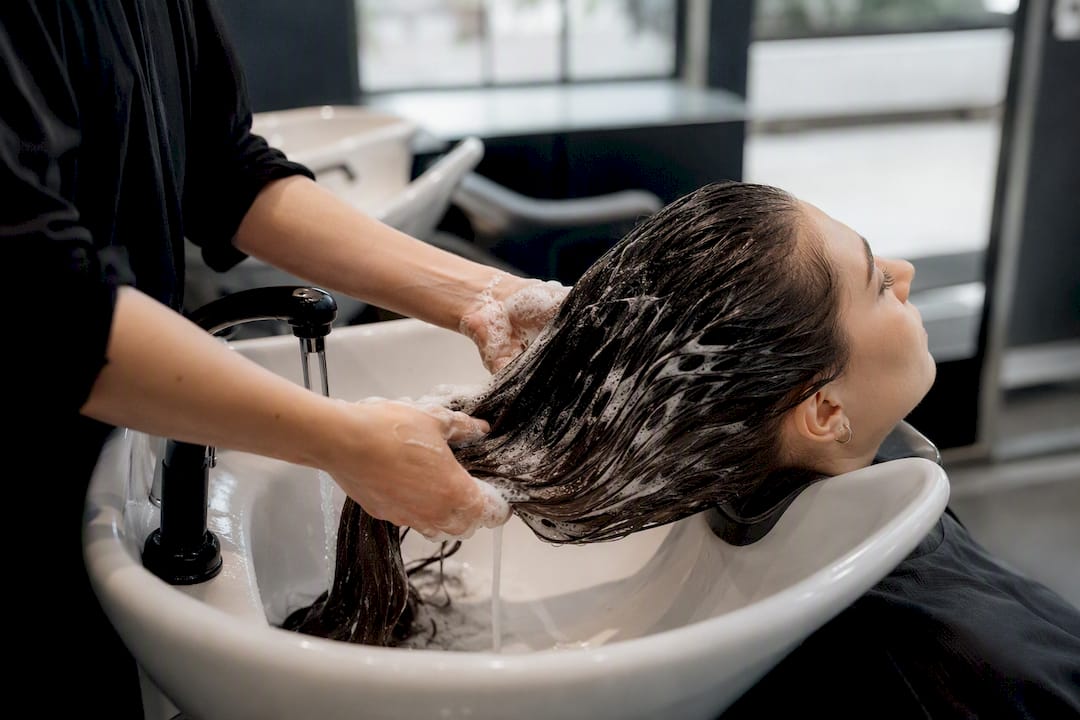
Wash extensions with lukewarm water, sulphate-free products, and keep conditioner off the attachment points. That single rule prevents most of the damage we see at the salon.
Follow this before every wash:
Detangle from ends to roots first
Use water at roughly 30–35°C, never hot
Shampoo at the scalp, condition mid-lengths to ends only
Rinse thoroughly until water runs clear
Blot, never rub, when drying
Pro Tip: If you’ve just had extensions fitted, wait at least 48 hours before the first wash to let bonds and adhesives fully set.
Key Takeaways
Extensions last longest when washed with lukewarm water, sulphate-free products, and conditioner kept strictly away from bonds and tapes.
Point | Details |
Water temperature | Keep water at 30–35°C; hot water softens bonds and dries out extension fibre. |
Conditioner placement | Apply conditioner only from mid-lengths to ends, never near roots or attachment points. |
Washing frequency | Wash clip-ins every 10–20 wears; wash installed methods 2–3 times weekly. |
Drying technique | Blot with a microfibre towel and air-dry when possible; use low heat directed downward. |
Professional support | Book an Arqhair maintenance visit every 6–8 weeks for bond checks and expert washing. |
Table of Contents
How to wash hair extensions: the one-minute checklist
Before touching water, run through this sequence. It takes under a minute and prevents the two biggest culprits behind matting and slippage: tangled hair going into water, and product landing where it shouldn’t.
Detangle first with a loop brush or wide-tooth comb, holding above the root or bond to avoid pulling.
Check the water is lukewarm, comfortable on the inside of your wrist, never steaming.
Apply shampoo to the scalp, working it down gently rather than piling hair on top of your head.
Place conditioner from mid-length to ends only, avoiding tape tabs, keratin bonds, and beads entirely.
Rinse thoroughly, blot with a microfibre towel, and detangle again while the hair is still damp.
Never scrub in circles at the scalp
Never rinse upside down with hair piled forward
Why hair extensions need gentler care than natural hair
Extensions aren’t attached the way your own hair grows, and that changes everything about how you should treat them. Adhesive tabs, keratin bonds, and micro-beads all respond badly to heat, oil, and product build-up. Heat softens tape adhesive and can loosen keratin; oily conditioners and silicones migrate toward the bond and weaken its grip over time.
Remy human hair fibres, meanwhile, need hydration but not heaviness. Without a natural scalp feeding them oil, they dry out faster than the hair growing from your head, yet a heavy conditioner or oil-based mask sitting near the root simply causes slippage rather than nourishment.
Bonds and tapes degrade with prolonged heat and oil exposure
Fibres lack natural sebum, so they need lightweight moisture, applied correctly
Poor technique (scrubbing, upside-down washing, aggressive brushing) speeds up tangling and cuticle wear
How often should you wash hair extensions?
Frequency depends entirely on the method. Wash too often and you strip the fibre and stress the bonds; wash too rarely and product build-up makes hair look flat and feel rough.
Clip-ins and halos: only when visibly soiled, typically every 10 to 20 wears
Tape-ins, fusion, and keratin bonds: two to three times a week, in line with your normal hair-washing routine
Micro-beads and sewn wefts: similar frequency to tape-ins, adjusted for scalp oiliness
Clarifying shampoo: as an occasional reset only, not a routine step
Watch for odour, heavy product residue, or limp strands between washes. These signs mean it’s time to wash regardless of where you are in your usual schedule.
Which shampoos, conditioners and tools protect extensions?
Product choice matters more with extensions than with natural hair, because there’s no scalp regenerating the fibre and no forgiveness for the wrong ingredient near a bond.
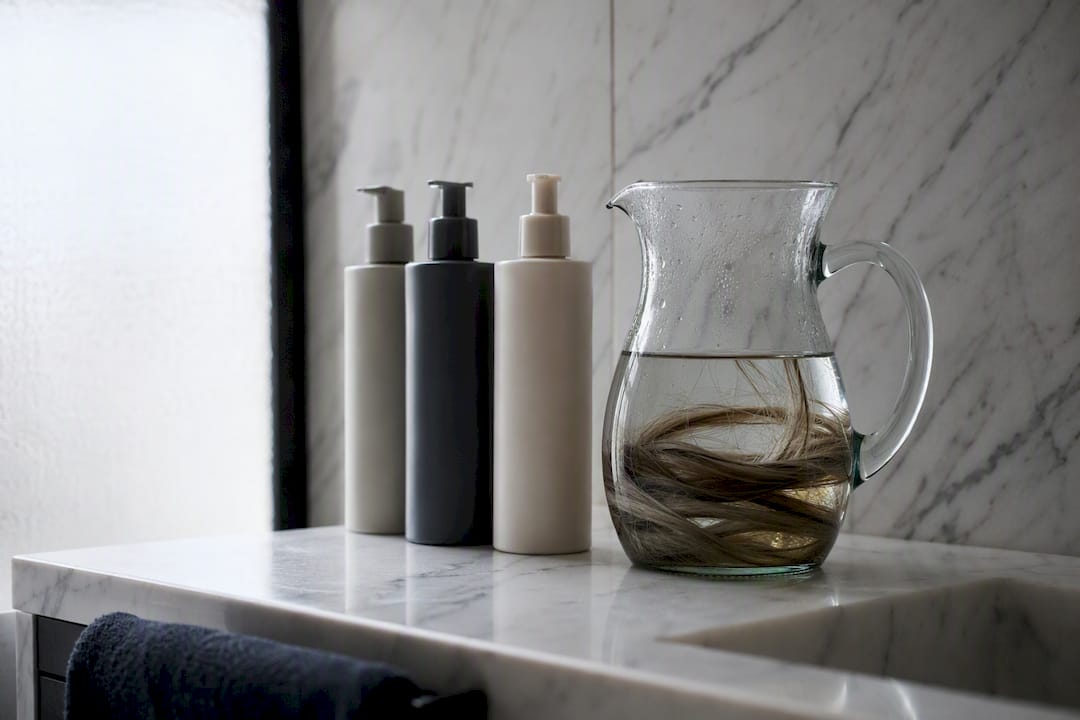
Always use a sulphate-free shampoo. Sulphates strip natural oils and colour from Remy hair fast, leaving it dry and prone to matting. Pair it with a lightweight, silicone-light conditioner applied only from mid-length down.
Tools worth having:
A loop brush or extension-specific paddle brush for gentle detangling
A wide-tooth comb for wet hair
A microfibre towel to blot rather than rub
A low-heat hairdryer, ideally with a diffuser or cool-shot setting
What to avoid:
Clarifying shampoo as a weekly habit; save it for an occasional reset, roughly once every four to six weeks at most
Alcohol-heavy styling sprays, which dry out both fibre and adhesive
Any oil-based product applied near tape tabs, beads, or keratin bonds
Pro Tip: If you’re unsure which shampoo suits your specific extension type, a stylist can recommend one during a consultation rather than leaving you to guess on the supermarket shelf.
The full step-by-step washing routine
Follow this order every time and you’ll protect both the extensions and the hair they’re attached to.
Detangle before wetting. Work from ends upward with a loop brush, holding above the bond or root to take pressure off the attachment.
Wet hair upright, standing under the shower rather than tipping your head back into a basin. Washing head-down increases tangling and uneven tension on bonds, and makes rinsing far less effective since residue can’t flow cleanly down the shaft.
Check the temperature. Aim for roughly 30–35°C. Hot water opens the hair cuticle, dehydrates the fibre, and can soften keratin bonds or tape adhesive, which is exactly what you’re trying to avoid.
Shampoo at the scalp only, using your fingertips in a downward motion rather than scrubbing or piling hair into a knot on top of your head.
Condition mid-lengths to ends, leaving it for a minute or two before rinsing. Keep it well clear of roots, tabs, and bonds.
Rinse thoroughly, checking that no product remains near the attachment points.
Blot with a microfibre towel rather than rubbing, then detangle gently while damp.
Correct washing technique is one of the biggest factors in how long a set of extensions actually lasts. Get the routine wrong consistently, and even premium hair starts to look tired within weeks.
Pro Tip: If you’ve had a fresh installation, hold off on washing for 48 hours after your appointment so bonds have time to fully set before they meet water.
How to wash each type of hair extension
Every method has its own quirks, and treating all extensions identically is one of the most common mistakes people make.
Clip-ins and halos: remove before washing, hand-wash the weft gently in a basin of lukewarm water with sulphate-free shampoo, then lay flat to dry rather than hanging, which can stretch the weft.
Tape-ins and keratin bonds: wash while installed, working shampoo at the scalp and keeping product away from tabs and bonds; support the hair above the bond when brushing to avoid direct pulling on the adhesive site.
Micro-beads and sewn wefts: direct the shower stream so water flows through rather than pooling at the base, and dry thoroughly underneath the wefts to prevent trapped moisture, which causes odour or even mildew.
Synthetic extensions: use only products labelled safe for synthetic fibre; regular shampoo and heat styling can melt or frizz synthetic strands permanently.
Extension type | Wash method | Typical frequency |
Clip-ins / halos | Remove, hand-wash weft, lay flat to dry | Every 10–20 wears |
Tape-ins | Wash in place, avoid tabs | 2–3 times per week |
Keratin bonds | Wash in place, support above bond | 2–3 times per week |
Micro-beads | Wash in place, direct water through | 2–3 times per week |
Sewn wefts | Dilute shampoo, dry thoroughly underneath | 2–3 times per week |
Synthetic | Synthetic-safe products only | As needed, gently |
Drying and styling without stressing the bonds
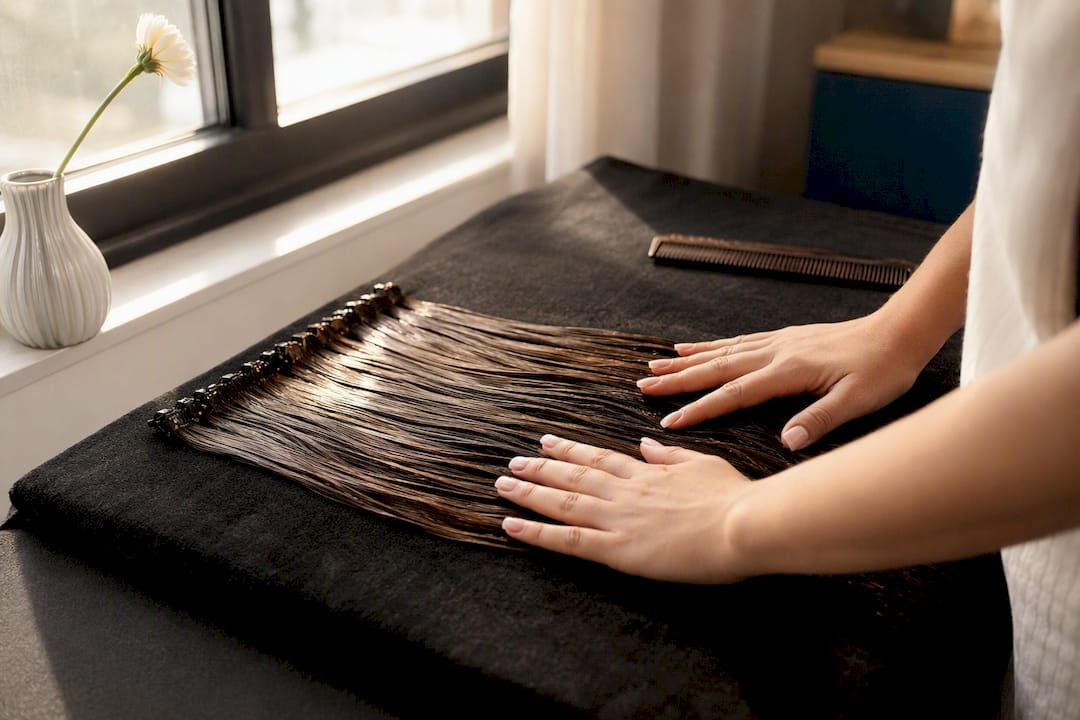
Air-drying is the safest option whenever your schedule allows it. Detangle gently while the hair is still damp, working in sections rather than pulling a brush straight through from root to tip.
If you need heat, keep the dryer on a low or moderate setting and direct airflow downward along the hair shaft, which also helps smooth the cuticle rather than roughing it up. A microfibre towel reduces friction compared with a standard bath towel, so use one for the initial blotting stage.
Loosely plait or tie hair before bed to reduce friction against the pillow
Use a soft-bristle or loop brush daily, not just on wash days
Always apply heat protectant before blow-drying or straightening near bonds
Pro Tip: Never sleep with wet extensions. Damp hair tangles overnight and puts constant strain on bonds and tabs while you toss and turn.
Common washing mistakes and how stylists fix them
Most of the extension problems we see at the salon trace back to washing technique rather than the extensions themselves.
Washing with water too hot, which softens bonds and dries out the fibre
Letting conditioner touch tape tabs or keratin bonds
Scrubbing the scalp or piling hair into a bun to shampoo
Sleeping with wet or damp extensions
Treating extensions exactly like natural hair is the single most common mistake we correct in consultations. The products, temperature, and technique all need to shift once you’re wearing extensions.
Pro Tip: If you notice persistent slippage or matting even after following this routine correctly, that’s usually a sign of a technique or product mismatch rather than something you can fix with more washing.
If bonds keep failing or tangling persists despite gentle care, it’s time to book a stylist rather than keep experimenting at home.
When to book professional maintenance
Some issues genuinely need a stylist’s hands rather than another home wash. Watch for persistent slippage, visible thinning near the bonds, matting that won’t brush out, or tabs that feel loose to the touch.
Book a maintenance visit roughly every 6–8 weeks for tape-ins and bonded methods
Have micro-beads checked periodically as hair grows and beads migrate down the shaft
Bring extensions in for a full assessment if odour or product build-up persists despite correct washing
An ARQ Hair maintenance visit typically includes a bond check, a professional wash using extension-safe products, and repositioning where beads or tapes have shifted with natural hair growth.
A stylist’s honest take on extension longevity
The routine in this guide works because it respects what extensions actually are: attached fibre with no natural oil supply and adhesive points that don’t forgive heat or the wrong product. Gentleness and product choice matter more than how often you wash. If you’re ever unsure whether your technique is right for your specific installation, book a consultation rather than guessing.
How Arqhair keeps your extensions looking their best
Getting the temperature, the product, and the technique right every single wash is a lot to manage alone, especially with tape-ins or keratin bonds that punish the smallest mistake. Arqhair takes that pressure off by giving you a bond check, a professional wash with extension-safe products, and honest advice on your specific installation, all in one visit.
Whether you’re due a maintenance appointment or simply want product recommendations suited to your hair type, our hair extension services are built around keeping your investment looking as good as day one. Book a consultation at Arqhair and let us take the guesswork out of your next wash.
Sources
For deeper detail on specific extension types, these guides cover technique and product notes beyond the scope of this article:
For product recommendations suited to your extension type, our shop page lists salon-approved shampoos, conditioners, and tools.
Recommended
Comments