
How to Fix Brassy Tones in Dark Hair Without Damage

Last Updated: 21 November 2026
Quick Summary
To fix brassy tones in dark hair, match the treatment to the cast you see: blue-based shampoo or toner for orange and copper, blue-violet for red, and purple for yellow. Use toning products once or twice a week at most, and book a colourist if the colour is patchy or your hair is damaged.
Brown hair turns orange because its underlying red-orange pigment shows through as colour fades.
London's hard water leaves mineral residue that dulls colour and speeds up fade.
Patch test any toner behind your ear and wait 48 hours before applying it.
Leave toner on only for the time on the label, as over-toning is a common DIY mistake.
Rinse with cool water after toning to close the cuticle and help the tone hold.
Tired of orange tones creeping back in?
ARQ Hair offers expert Wella colour and toning for brunettes in Fulham, tailored to your hair.
Table of Contents
Why Does Brown Hair Turn Orange?
Brassy tones in dark hair are a common complaint from brunettes, and the cause is simple chemistry. Those warm orange and copper flashes appear because the underlying pigment in brown hair is red-orange, and anything that strips colour brings it forward. This guide from ARQ Hair explains why it happens and how to fix it, so you can decide what to try at home and when to see a colourist.
The role of colour fade, water and heat
Three things speed up that fade, and most people fight all three without realising it.
Water: London's hard water leaves mineral residue that dulls colour and speeds up fade. Water UK on hard water and household supply explains how mineral content varies by area.
Heat: straighteners, hot showers and sun all lift the cuticle and let colour escape.
Product build-up: heavy conditioners and styling products coat the hair and make tones look flat and muddy.
A common mistake is treating brassiness as a stain to scrub out. It is usually a loss, not a gain. Once you see it that way, the fix makes far more sense.
Diagnosing Your Brassy Tones Before You Treat Them
Brassy tones are unwanted warm orange, red or yellow casts in colour-treated hair, and the right fix depends entirely on which one you have. Look at your hair in daylight, not bathroom light. Then match what you see:
Orange or copper: the most common cast in dark brown hair. Needs blue-based products.
Red or warm auburn: often from fading dark dye. Needs blue-violet or ash tones.
Yellow: typical of lifted or highlighted brunette. Purple shampoo targets this.
Your colour history matters just as much. Freshly dyed dark hair and months-old box dye behave very differently. Hair that has been lifted, or lightened, is more porous and grabs toner fast.

Blue Shampoo for Brunette Hair: What It Can and Cannot Do
Blue shampoo for brunette hair is a colour-correcting wash that deposits blue pigment to neutralise orange tones. It is the right tool for dark brunettes, and the wrong tool for almost everything else.
What it can do:
Soften mild to moderate orange and copper casts
Refresh tone between salon visits
Add a cooler finish to faded dark dye
What it cannot do:
Fix yellow tones, which need purple
Repair over-processed or patchy colour
Replace a professional toner for strong brassiness
In practice, it is a maintenance product, not a rescue product. Use it once or twice a week, leave it on for the time on the label, and stop when the tone evens out.
Toner for Brassy Brown Hair: Choosing the Right Shade
Toner for brassy brown hair is a semi-permanent liquid or cream that adjusts tone rather than lifting or darkening colour. Choosing the right shade comes down to matching the toner to the cast you diagnosed.
Your cast | Best toner family | What it does |
Orange or copper | Blue-based toner | Cools the warmth |
Red or auburn | Blue-violet toner | Knocks back red |
Yellow | Violet or ash toner | Neutralises yellow |
Mixed or patchy | Ask a colourist | Custom blend needed |
How to choose without guessing
Match the toner to the cast, not to the shade name on the box.
Ash and cool shades work best on dark brunette.
Avoid going too cool too fast. It can look flat or grey.
Where it falls short: home toners are one-size-fits-all. If your colour is uneven, a single shade will not fix it evenly.
A Step-by-Step At-Home Toning Routine That Won't Make It Worse
This routine is designed to reduce brassiness without stripping or over-processing your hair, but it only works if your hair is a suitable candidate.
Total time: around 45 minutes. Difficulty: beginner, but read the cautions first.
What you'll need:
Blue or purple toning shampoo, matched to your cast
A gentle sulphate-free shampoo
A deep conditioner or bond treatment
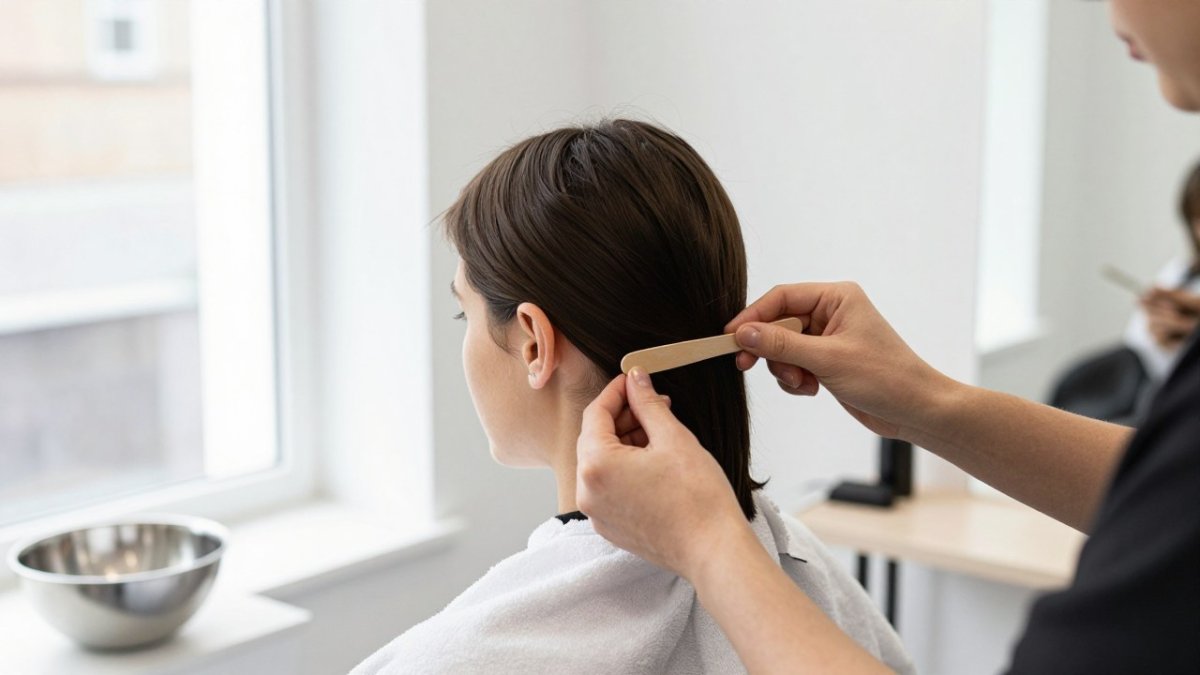
Patch test first. Apply a little toner behind your ear and wait 48 hours. This is not optional if you have sensitive skin or a history of reactions.
Clarify. Wash once with a gentle shampoo to remove product build-up so the toner can reach the hair. If your hair feels coated or stiff, a single clarifying wash helps; do not scrub repeatedly.
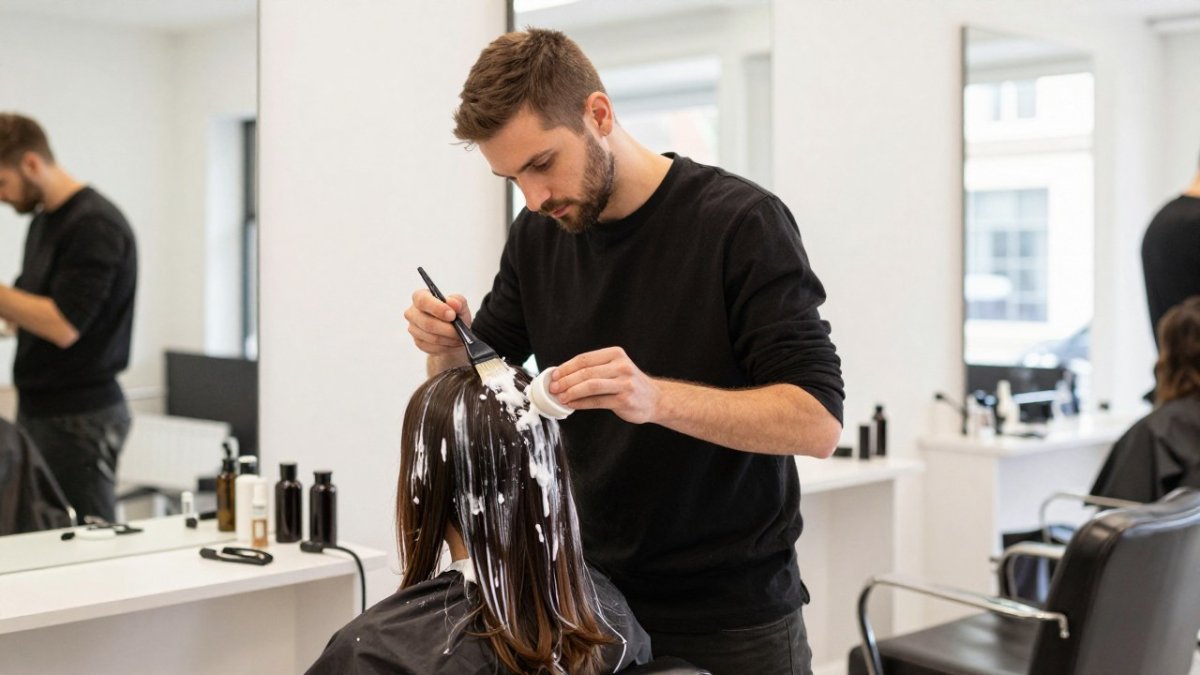
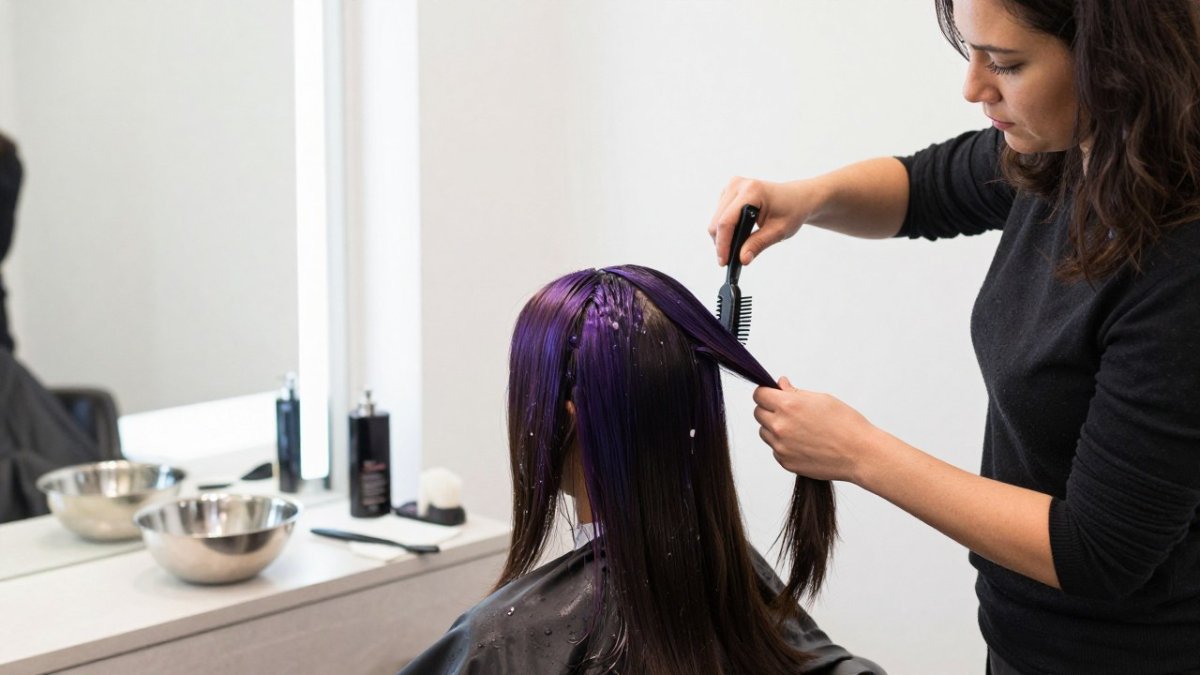
Apply the toner evenly. Comb it through damp hair, section by section. Pay attention to the mid-lengths and ends where brassiness usually sits, but do not forget the roots if they are also warm.
Watch the clock. Leave it on for the time stated on the label. Do not leave it longer to "make it work better". Over-toning is one of the most common ways DIY toning makes colour worse.
Rinse cool. Cool water closes the cuticle and helps the tone hold.
Condition deeply. Follow with a bond treatment or mask to protect hair health.
When DIY toning will make it worse
A common pattern is that home toning helps mild, even brassiness and backfires on everything else. Watch out for these signs before you start:
Uneven colour: if your hair is patchy, a single toner will grab unevenly and leave a mottled finish.
High porosity: hair that has been lightened or repeatedly coloured is more porous and absorbs toner fast, so it can turn grey or muddy in minutes.
Over-toning: repeated use builds a dull film that is hard to remove without a professional correction.
Damage: if hair feels rough, stretches or snaps, stop. Toning is a chemical process and damaged hair is less predictable.
Naturally dark hair with no lightening history generally tolerates toning shampoo well, while previously lightened or box-dyed hair needs a more cautious approach or a professional assessment. If your hair is already fragile, it is worth reading about semi permanent colour for damaged hair before you tone. London's hard water also makes a difference, so protecting hair integrity matters as much as the tone itself.
How often to tone and what to avoid
Tone once or twice a week at most, and stop when the tone evens out.
Avoid overlapping with a fresh salon colour in the same week.
Never mix toners or add bleach to "boost" the result.
If you have a box dye history, do not assume a toner will correct it evenly; box dye can leave underlying pigment uneven.
If you have followed the routine and the cast is still patchy, or your hair feels worse rather than better, that is the signal to book a professional consultation rather than trying another product.
How to Maintain Brunette Hair Colour Between Appointments
Maintaining brunette hair colour is mostly about protecting what is already there. Fade is gradual, so small habits add up.
Wash less often, and use cooler water.
Use a sulphate-free shampoo for colour-treated hair.
Rinse with a filter if your water is hard.
Book regular trims to remove dull, faded ends.
A colour-depositing conditioner is the easiest between-visit tool. It tops up tone gently without a full toning session, and it suits dark brunette hair well. If you want to know which formulas actually hold their tone, see our guide to colour depositing conditioner for dark hair.
When to Book Professional Colour Correction in London
Professional colour correction is the right call when home toning stops working, when the cast is patchy, or when hair is too damaged to risk another chemical process. Hard water and busy styling routines can make brassiness more likely, so a proper diagnosis saves a lot of trial and error. A careful diagnosis can also help shape a gentler routine, with luxury hair care for damaged hair supporting the effort to protect fragile lengths between colour appointments.
Book a consultation if:
Your colour is uneven or patchy
Toning leaves a grey or muddy finish
Hair feels rough, porous or breaks easily
You have a box dye history that needs correcting
What a London colour correction consultation involves
A good consultation is a diagnosis, not a sales pitch. Expect a colourist to look at your hair in daylight, ask about your colour history (box dye, highlights, balayage, previous lightening), feel the porosity of your mid-lengths and ends, and discuss what is realistic in one appointment. Ask directly:
What cast are you seeing, and what toner family will you use?
Will this be a single process or will it need more than one visit?
How will you protect my hair integrity during the process?
What should I do at home between appointments?
Mild, even brassiness can often be corrected in a single toner appointment, while patchy or previously lightened hair may need a staged correction across more than one visit.
Cost, timing and realistic expectations
Pricing depends on hair length, the complexity of the correction and the number of visits required, so please visit the ARQ Hair website for current prices or request a quote.
Realistic expectations matter. For a deeper look at the process, our expert professional colour correction services in London explain what each stage involves, and the hair colour correction London guide covers restoring brassy, uneven tones in detail.
Booking Your Brassy Tones Consultation at ARQ Hair
Fixing brassy tones in dark hair comes down to one thing: matching the treatment to the cast.
At ARQ Hair, we are Wella Colour Experts and a green, sustainable salon.
Brassy tones rarely fix themselves, and the wrong product can set you back weeks. If your colour needs a proper diagnosis, our colourists can assess your hair and build a toner that suits your history.
Frequently Asked Questions
Why does dark hair turn brassy?
Dark hair turns brassy because the underlying warm pigments (red, orange and yellow) become exposed as the cooler brown or ash tones fade. Shampooing, sun exposure, heat styling and hard water all speed up that colour fade. On dyed hair, the artificial cool pigments leave first, so the warmth underneath shows through. On natural dark hair, brassiness usually appears as sun-lightened ends or a coppery halo where the cuticle has become more porous.
Does blue shampoo work on brassy dark hair?
Blue shampoo for brunette hair works well on orange and coppery tones, because blue sits opposite orange on the colour wheel. It will not fix yellow brassiness, which needs purple, and it cannot lighten or remove pigment that has already developed. Stop once the warmth is neutralised, and follow the time stated on the product label. Overuse can leave dark hair looking flat or slightly grey.
Can toner damage dark hair?
A deposit-only toner adds pigment without lifting, so it causes little damage when applied correctly. Damage risk comes from developers: a toner mixed with 20-volume peroxide opens the cuticle and can dry out porous or previously coloured hair. Ask for a low-developer or ammonia-free toner if your hair is fragile, and always do a patch test first. At-home toning goes wrong most often when the shade is too cool or left on too long, not from the toner itself.
Can a hairdresser fix brassy brown hair?
Yes. A colourist can diagnose whether your brassiness sits on the surface or deeper in the hair, then tone or colour-correct accordingly. Surface warmth often lifts with a toner in one appointment, while banded or patchy warmth from box dye may need more than one session. Bring photos of the result you want and be honest about your colour history, including any home colour, so the formula is built for your hair rather than a standard shade.
Comments