
Keep Texture or Go Sleek: Keratin vs Smoothing in Fulham

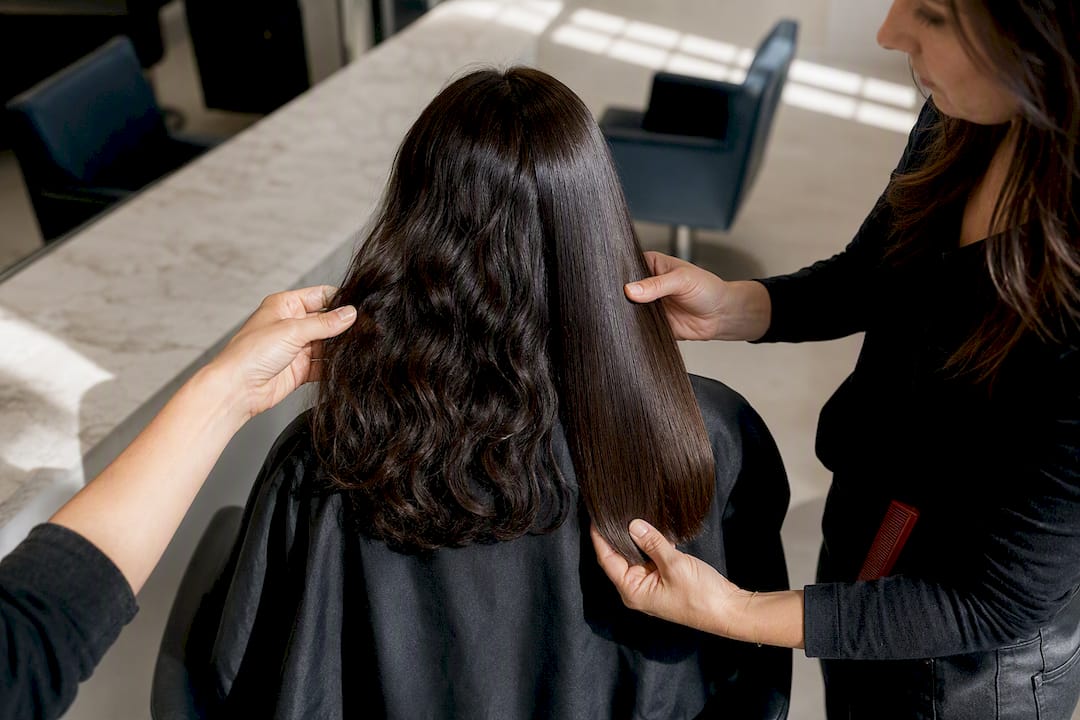
If you want to soften frizz while keeping your natural texture and movement, keratin is the better fit. If you want permanently straighter, low-volume hair with minimal daily styling, smoothing wins. Keratin needs a top-up every 6 weeks to 6 months; smoothing can hold for 5 to 8 months. Either way, ask your stylist for the exact product name before you book.
TL;DR:
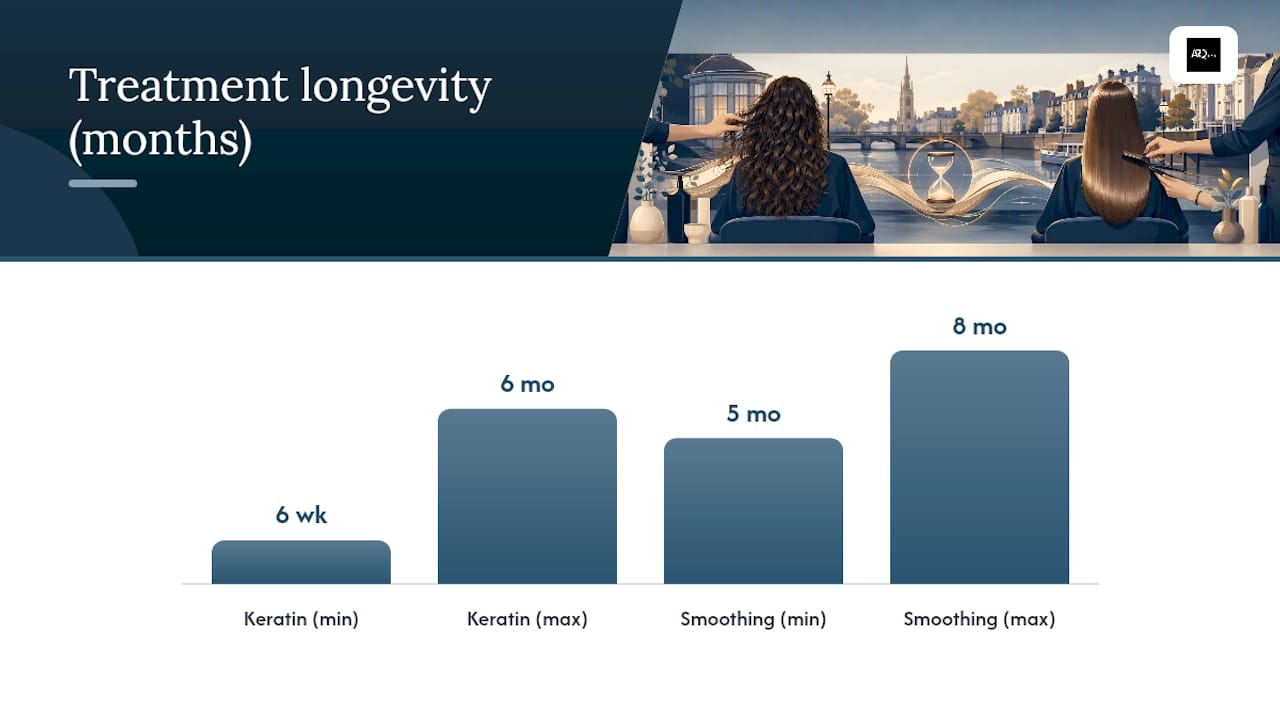
Keratin treatments coat the hair shaft and typically last between 6 weeks and 6 months, with longevity affected by washing frequency and hair porosity.
Smoothing treatments break and reform internal bonds, offering a longer-lasting (5 to 8 months) flatter, straighter finish for resistant or thick hair.
Smoothing procedures carry a higher risk of damage due to bond restructuring, especially on chemically processed or bleached hair.
Cost differences mean keratin is generally cheaper per session but requires more frequent visits, while smoothing may cost more upfront but needs fewer appointments annually.
A thorough consultation and strand test are crucial to ensure the chosen treatment matches your hair type and reduces the risk of undesirable results.
Table of Contents
Keratin vs smoothing: what a keratin treatment actually does
A keratin treatment coats and seals the hair shaft rather than changing its internal structure. Heat from a flat iron bonds a protein formula into the cuticle, smoothing the outer layer so hair reflects more light and resists humidity. Nothing about your hair’s natural bonds changes, which is why keratin reads as a finish, not a restructure.
The salon process usually runs in a predictable sequence, though timings vary by formula and hair length:
Wash with a clarifying shampoo to strip product build-up
Apply the keratin solution section by section
Blow-dry, then flat-iron each section to seal the protein with heat
Rinse (formula-dependent) and blow-dry again
Send you home with a 48 to 72 hour no-wash, no-tie, no-clip window
Results tend to show up immediately: less frizz, more shine, and hair that still moves and holds a curl if you want one, because you have not altered the internal chemistry. That is the trade-off that makes keratin attractive to anyone who likes their natural wave or curl but is tired of fighting frizz every morning.
Longevity ranges from 6 weeks up to 6 months, and the spread is wide because so many variables affect it. Wash frequency matters most: the more often you shampoo, the faster the protein coating wears away. Hair porosity plays a role too, since very porous or previously coloured hair can grip the treatment differently to virgin hair. Product strength and the stylist’s technique also shift results at the margin. Medical News Today notes that keratin genuinely reduces frizz and improves manageability for most people, though some notices scalp or eye irritation from fumes during application, which is worth flagging if you have sensitive skin or asthma.
Keratin vs smoothing: what a smoothing treatment actually does
Smoothing treatments work at a deeper level. Rather than coating the hair shaft, they break and reform the disulphide bonds inside each strand, similar in principle to relaxer chemistry, to permanently reshape how the hair sits. This is why smoothing delivers a flatter, sleeker result than keratin can, and why it lasts considerably longer.
A typical smoothing appointment follows a similar rhythm to keratin, but with a few extra steps that reflect the chemistry involved:
Consultation and strand test to gauge how the hair will respond
Application of the smoothing formula, left to process for a set time
Rinsing and blow-drying
Flat-ironing to lock in the new, straighter bond structure
A structured aftercare period before the first wash
Because the treatment changes the internal bonds rather than sitting on top of them, the results are more dramatic: significantly reduced volume, a straighter finish edge-to-edge, and far less daily styling effort. This permanence is also the catch. As new hair grows in, it carries your natural texture, so the line between treated and untreated hair becomes visible over time, a regrowth contrast that keratin fades into far more gradually since it simply washes out.
Smoothing treatments typically last 5 to 8 months, longer than most keratin services. Longevity still depends on hair type, how quickly your hair grows, and whether you use sulphate-free aftercare products that protect the reformed bonds rather than stripping them.
How keratin and smoothing actually differ
The core difference is coat versus restructure. Keratin sits on the hair shaft and washes away gradually; smoothing rewires the internal bonds and only grows out. That single distinction explains almost every other difference between the two treatments.
Straightening level and volume. Keratin softens frizz and adds shine but generally preserves your natural wave or curl pattern. Smoothing reduces volume more significantly and delivers a straighter result, which can suit some clients more than others.
Longevity and variability. Keratin’s 6 week to 6 month window and smoothing’s 5 to 8 month window both flex with wash frequency, hair porosity, and product strength. Coarser, more resistant hair tends to hold either treatment longer than fine, previously bleached hair, which processes faster and fades sooner.
Damage risk. Keratin’s main risk sits in the application process, chemical fumes and heat exposure, rather than lasting structural change, since it does not permanently alter the hair’s internal bonds. Smoothing carries a higher structural risk profile because it is reshaping those bonds directly, which makes strand tests and stylist judgement more important, particularly on hair that has been bleached, permed, or heavily coloured.
Cost and visit frequency. Keratin generally costs less per visit but needs repeating more often across a year. Smoothing tends to cost more per session but you are back in the chair less frequently, so the annual spend can land closer than the sticker price suggests. Here is how the two stack up at a glance:
Factor | Keratin | Smoothing |
Mechanism | Coats and seals the shaft | Breaks and reforms internal bonds |
Straightening level | Reduces frizz, keeps movement | Significantly flatter, straighter |
Typical longevity | 6 weeks to 6 months | 5 to 8 months |
Damage risk | Fumes and heat during application | Higher, due to bond restructuring |
Regrowth visibility | Fades gradually | Visible contrast at the roots |
Smytten’s comparison guide frames it well: keratin excels when you want to keep your hair’s natural movement, while smoothing is the right call when a flatter, sleeker finish matters more than retaining texture.
Which treatment suits your hair and lifestyle
Work through this checklist before you book anything:
Desired finish. Do you want soft, frizz-free waves or curls, or a completely flat, sleek result? The former points to keratin, the latter to smoothing.
Hair history. Heavily bleached, permed, or chemically coloured hair needs extra caution with smoothing’s bond-restructuring chemistry. A strand test isn’t optional here.
Maintenance appetite. Are you happy booking a touch-up every couple of months, or would you rather visit less often even at a higher single cost?
Styling habits. If you already straighten daily, smoothing may simply formalise what you are doing anyway. If you like wearing curls occasionally, keratin protects that option.
At consultation, ask your stylist for the exact product name and its ingredient list, request a strand test if your hair has any chemical history, and get clear aftercare instructions before you leave. A salon that cannot name its product or dodges questions about formaldehyde content is a red flag worth walking away from.
Two quick examples: a client with wavy, frizz-prone hair who still wants to wear it curly on weekends is a textbook keratin candidate. A client with thick, voluminous hair who straightens it every single day and wants that upkeep gone is better served by smoothing.
Pro Tip: Book a consultation before committing to either treatment. A five-minute strand test can save you months of regret if your hair reacts differently to a formula than expected.
Safety, ingredients and aftercare you need to know
Some straightening formulas release formaldehyde when heated during application, which is why Women’s Health advises asking your salon directly for the product name rather than assuming it is safe. Formaldehyde-free alternatives exist and perform well; reputable salons increasingly favour them, and it costs nothing to ask.
After either treatment:
Avoid washing, tying up, or clipping your hair for the first 48 to 72 hours
Switch to a sulphate-free shampoo permanently, since sulphates strip both keratin coatings and smoothed bonds faster
Follow up with bond-building or moisture treatments between visits to keep hair in good condition
Delay treatment if you have recently coloured, bleached, or chemically processed your hair, and always ask for a strand test first
Pro Tip: Keep a small note of your treatment’s exact product name on your phone. It makes future consultations, and any allergy checks, far quicker.
Why a proper consultation changes the outcome
Most disappointing results trace back to one thing: skipping the consultation and strand test. Hair that has been bleached or heavily coloured behaves unpredictably under either keratin heat-sealing or smoothing’s bond chemistry, and a stylist who adjusts heat settings and formula strength accordingly avoids the over-processing that gives both treatments a bad reputation.
That groundwork sits at the centre of every keratin and smoothing consultation, backed by a team of Wella Colour Experts and a family legacy spanning three decades in the chair. A proper consultation covers your hair’s chemical history, your styling habits, and your actual goals, not just which treatment is trending. Get that right and the treatment does the rest.
— RICARDO
Book a keratin or smoothing consultation with ARQ Hair
Keratin smoothing and broader texture services are available from the same Fulham studio, so you are not choosing a treatment in the abstract. You are choosing it with a stylist who can look at your hair, run a strand test, and tell you honestly which route suits your goals, rather than upselling whichever service is booked lightest that week.
Appointments start with a consultation: your hair history, your desired finish, and a bespoke plan built around it, followed by clear aftercare guidance so the results actually last. If frizz control while keeping your curl is the goal, or you want the flatter, longer-lasting finish that smoothing delivers, the next step is the same either way. Visit the smoothing and texture service page to see what is on offer and book a consultation to find out which treatment fits your hair.
Sources
Recommended
The Definitive Keratin Smoothing Treatment in Fulham: A Masterclass in Effortless Hair (2026)
Smoothing, straightening and texture services in Fulham for sleek or enhanced curls
Best Blow Dry in Fulham: The Luxury Finishing Guide for 2026
Glossing Service London: The Wella Colour Expert’s Secret to Mirror-Like Shine
Comments